Project 3: Writing Around and Presenting Your Practice Statement
Instructions: “Having reflected on your practice, making process and your recording, it is timely to revisit your Practice Statement. You might want to consider how and in what ways your Practice Statement reflects your current position, process, concerns and intentions.
How might it also best serve you in fostering potential future connections with others, support future applications, posts or funding bids? It might be that you have a couple of different statements, specifically for different aspects of your practice, audience or purpose. If you are wanting to work towards becoming an artist-curator, artist-educator or artist-arts therapist how might you convey this through one all purpose, or different ‘Practice Statements’.”
_________________________________________________________________________________
Below is a first draft of my Practice Statement/Plan.
My professional visual art practice is rooted in my deep sense of spirituality and my strong desire to connect with the Divine and celebrate our shared existence. My visual language is influenced by the beauty of Nature, especially the Mediterranean landscape, with a particular focus on its flora as carriers of memory, inspiring countless artistic creations, a unique identity, and vibrant resilience. Through painting, I explore how plants embody both fragility and permanence, reflecting the tension between nature’s ephemerality and an absolute power of divine beauty. Ultimately, my aim is to invite viewers into a sensory and contemplative encounter with Mediterranean nature, while reflecting on how art can transform human space, reminding us of human’s connection with the upper realm and elevating human’s consciousness.
I aim to work primarily in large-scale paintings, which I often translate into high-quality prints on aluminium, produced as limited editions. The choice of a special type of metal print is not simply technical, but conceptual: the luminous, durable surface contrasts with the organic, transient nature of my subject matter, creating a dialogue between the permanent strength and the soft, delicate sensation we sense from flowers and plants.
My practice engages with questions of visibility and legacy. I plan my artworks to circulate widely as prints while retaining the scarcity of available original works. This strategy resonates with artists such as Bridget Riley, Yayoi Kusama, and David Hockney, who shaped their practices not only through image-making but through deliberate approaches to reproduction and dissemination. I don’t post much on the internet or on social media platforms to combat the copyright issues currently exacerbated by the visuals generating AI models’ training needs. I prefer to showcase my artworks via exhibitions and private viewings.
Exercise 4: Write and Discuss With Your Peer
Instructions: “Consider that these Practice Statements are current reflections of your practice, yet also might be aspirational, and therefore elements might be future-facing.“
“Ask one or two peers, or connections from your network who know your work well to read through your statements, and offer their feedback on your writing.“
“Then reflect on their responses and questions, to help you write up a final Practice Statement(s). Aim for around 500 words for each Practice Statement.his element is part of your submission to your tutor for formative feedback, so do remember to include it in the Assignment.”
I asked my friend Daria Alara (BA in English and Film Studies, MFA in Creative Writing) to review the draft of the Practice Statement. Below is her feedback and recommendations:
“This is a really strong and thoughtful Artist Practice statement — you’ve woven together spirituality, Mediterranean nature, materiality, and strategy.
- Clear conceptual anchor: The link between spirituality, the Divine, and Mediterranean flora is vivid and memorable.
- Material choice as concept: Framing aluminum printing as more than a technical decision is excellent — it makes the medium feel integral, not incidental.
- Ethical stance: Mentioning AI and copyright is very current — it shows awareness of today’s art-world issues.
- The first paragraph is powerful, but a bit dense. Breaking it into two shorter paragraphs could let each idea breathe (spirituality & Mediterranean flora in one, plants as fragility/permanence in another).
- The phrase “human’s connection with the upper realm” could be smoothed into something more natural in English (e.g., “our connection to higher realms” or “to the transcendent”).
- The last paragraph is excellent but reads slightly defensive with “I don’t post much…” — you could reframe it more positively (focusing on exclusivity and intention rather than avoidance).
Here’s how you might lightly refine without losing your voice: First paragraph (spirituality & flora).
- Make an introduction aiming ro explain the purpose of your Practice Plan.
- Split into two: one about spirituality/divine connection, the second about Mediterranean flora as metaphor.
- Materials & Prints: keep as is — already strong.
- Reframe social media avoidance positively:
- “Rather than relying on social media circulation, I prefer to share my artworks through exhibitions and private viewings, cultivating a more intentional and intimate engagement with audiences.”
I reviewed the SYP Assessment criteria for the Practice Plane and followed the requirement of 1,250 words for this written element. Thus, the Practice Plan is extended to encompass my concrete creative plans and ideas, and revised to have a better structure.
Below is the second draft of my Practice Statement/Plan.
The following Practice Statement sets out the vision, objectives, and strategies that underpin the development of my professional visual art practice. By outlining the conceptual direction, technical approaches and professional growth strategies, I intend to ensure that my artistic journey remains purposeful, sustainable, and open to growth, while maintaining the originality and distinctiveness of my creative voice.
My professional visual art practice is rooted in my deep sense of spirituality and my strong desire to connect with the Divine and celebrate our shared existence. My visual language is influenced by the beauty of Nature, especially the Mediterranean landscape, which focuses on its flora as carriers of Divine intelligence, inspiring countless artistic creations, a unique identity, and vibrant resilience.
The Mediterranean flora is my first conceptual theme that I have realised in my artworks at a level appropriate for public exposure this summer. My first showcase was titled “Échos Méditerranéens”, exploring the theme of strong, large plants’ architecture and their aesthetic power. I usually select botanical subjects for my works, which have strong and expressive features, such as well-built, fortified stems and leaves, striking colours, and remarkable details. I employ a mixed-media technical approach to achieve the desired depth of colour, rich texture and engaging viewpoints.
I aim to work primarily in medium and large-scale paintings (approximately 120 cm x 60 cm), which I often translate into high-quality prints on aluminium, produced as limited editions with a maximum of 25 pieces. The choice of a special type of metal print is not merely a technical consideration but a conceptual one: the luminous, durable surface contrasts with the organic, transient nature of my subject matter, creating a dialogue between the permanent strength and the soft, delicate sensation we perceive from flowers and plants. The ideas of sustainability and environmentalism are dear to my heart, so I make a concerted effort to minimise the negative impact my creative practice can have on the Earth. I mostly paint with inks, which are available in glass bottles and buy materials packed in paper packaging. I often use wooden boards and reuse plastic materials in my studio.
As part of my immediate plans to further enrich my creative practice, I plan to undertake specialised classes in botanical printmaking and calligraphy. These disciplines align closely with my existing interests in nature-inspired visual art and spirituality, offering new avenues for technical growth and conceptual exploration. Botanical printmaking, with its emphasis on the intricate forms and textures of plant life, will enable me to study flora at an even greater level of detail, translating their subtle beauty and structural complexity onto paper through traditional and experimental printmaking techniques. Simultaneously, calligraphy classes will introduce me to the expressive potential of line, hand-breath rhythm, and gesture within the written word, helping me to get better ideas on how to blend textual and visual elements in my compositions. By mastering the flow and precision of calligraphic strokes, I hope to infuse my work with a heightened sense of narrative and spiritual resonance, drawing from both Eastern and Western traditions. I consider these classes to be skill-building exercises that also provide opportunities for meaningful artistic dialogue, allowing me to collaborate with like-minded peers and mentors, expand my creative network, and remain receptive to new influences and inspirations. The integration of botanical printmaking and calligraphy into my practice promises to invigorate my artistic vision, hopefully resulting in more mature artworks that are technically accomplished, rich in context, and emotionally resonant.
I use a conscious strategic approach to protect my copyright and intellectual property in the current digital landscape, where all high-quality content is used for training AI models in an authorised manner. Thus, I limit the exposure of my artworks’ high-resolution images online, using different digital quality formats and watermarks. I also refrain from posting much of my finished work on the internet or social media platforms as photographs, opting instead for videos to combat the copyright issues currently exacerbated by the visuals generated by AI models’ training needs. I prefer to showcase my artworks via exhibitions and private viewings. This approach requires strong networking and interpersonal skills, which I am willingly fostering in myself.
I plan to maximise the impact of my exhibitions and private viewings by reaching my target audience through building my expertise in Asian art (traditional Japanese, Chinese, and Indian visual arts) and offering art talks during my events, as well as offering art collecting service and creative directing for various art and cultural projects that any potential viewer can have. My interest in Asian Art sustained me throughout my OCA diploma studies, during which I produced two major written elements: research works on the influence of traditional Japanese Ukiyo-e prints on Western visual art tradition and a representation of gardens in traditional Indian Pichwai visual art. I keep a profound interest in the Japanese and Indian visual arts and plan to further my expertise.
Hopefully, after receiving my OCA B (Hons) diploma in Fine Arts, I will be able to apply to SOAS for the Alphawood Postgraduate Diploma in Asian Art and pursue a master’s degree in a related field, such as Fine Arts, Visual Arts, Design, or the History of Art.
My practice engages with questions of visibility and legacy. I plan for my artworks to circulate broadly as prints while maintaining the scarcity of original works. This strategy resonates with artists such as Bridget Riley, Yayoi Kusama, and David Hockney, who shaped their practices not only through image-making but through deliberate approaches to reproduction and dissemination.
There are also some far-reaching and long-shot creative plans which I consider as a visual artist.
Building upon the current trajectory of my visual art practice and my interest in literature and cinema, I am deeply interested in expanding my creative output into the realm of filmmaking. This transition feels like a natural progression given my ongoing exploration of narrative, atmosphere, and spirituality within my paintings and prints. Filmmaking would enable me to translate my visual language into a time-based medium, incorporating movement, sound, and the immersive possibilities of storytelling.
To initiate this expansion, I would focus on acquiring skills and developing craft knowledge, creating short experimental films that align with my established thematic interests—particularly the spiritual resonance of natural environments and the symbolic power of Mediterranean flora. These films could combine live action, stop-motion animation, and mixed media, echoing the layered approaches of my studio work. For example, I might create sequences that follow the growth cycles of plants, using close-ups and time-lapse photography to highlight details often missed by the naked eye, interspersed with painted or calligraphic overlays to reinforce the connection between nature and the divine. Incorporating soundscapes—field recordings of wind, birds, or water—would further enhance the immersive quality and emotional impact of these pieces.
In addition, I would seek out collaborations with other artists, musicians, and writers, as well as technical specialists in cinematography and editing, to produce films that are professionally crafted and conceptually robust. Participating in filmmaking workshops or academic modules, as part of my ongoing studies, would enable me to build technical proficiency in camera operation, editing software, and sound design. I would also aim to screen my work at art house cinemas, galleries, and film festivals, both locally and internationally, to reach a broader and more diverse audience.
Ultimately, by expanding into filmmaking, I aim to create a body of work that not only documents but also interprets lived experiences and spiritual inquiries, contributing to a richer, more multidimensional legacy within the contemporary art world.
I plan to sustain myself through my artworks, art talks, and creative direction, while also building my expertise to the point where I can join a team in filmmaking and stage design. This is how I will measure the success and legacy of my practice over time.

Exercise 5: Review and Update Your CV
As I conducted my research to establish my online presence, I decided to create an Artist’s CV and an Artist’s Bio. There is a difference between the two: the bio highlights my strategy and themes, while the CV emphasises the professional path, including exhibitions, collections, and production.
Artist CV ( not much though, since I just started my career. I could not aim for two A4 pages due to the simple fact that I did only one exhibition and dont have any awards and publications yet)
Artist CV
Name: Jeannar Subkhanberdina (neé Zhanar Subkhanberdina)
Website / Portfolio: https://www.behance.net/jeannarsu
Email: zhannarsu@gmail.com
Instagram: @JeannarSu
Based in: Monaco
Education
Open College of Arts, B(Hons) Fine Arts
Exhibitions
Solo exhibition “Échoes Mediterranéens », July -August 2025, Monaco, Hotel Hermitage
Publications / Press
Upcoming exhibition catalogue, 2026
Collections
Private collections in Monaco and the South of France.
Professional Notes
-Produces museum- and gallery-quality limited-edition aluminium prints with the WW company (Germany).
-Strategic practice of preserving originals while releasing editions to build long-term market value.
_________________________________________________________________________________
Artist Statement.
I have read the recommended article on https://artquest.org.uk/how-to-articles/artist-statement/. It is recommended that the Artist statement be written in the third person. Below is my updated Artist Statement, following my work on the Practice Statement and the Artist Bio. However, I have decided to keep the Artist Statement in first person and to do an Artist Bio in third person.
Artist Statement.
My artistic inclination stems from my profound sense of spirituality and deep awareness of the divine creative impulse that underlies human existence. Every day, I am overwhelmed by the beauty of Nature as an ultimate manifestation of the Creator’s aesthetic aspiration. This soulful, sensory, blissful and transcendent experience inspires me to paint plants—flowers, trees, gardens, foliage, and greenery. I am enchanted by their colours, shapes, structure, and versatility. Flowers are a pure, highly elevated positive Creator’s emotion, and I humbly try to pass a tiny fraction of it onto my canvas.
My paintings are created with inks, aquarelle, and pastels because I want to minimise any negative environmental impact my creative practice might have, so I prefer to use natural, less toxic materials. I share the view that many people hold, that visual art is one of the best forms of food for thought and can influence a viewer’s consciousness tangibly and compellingly. I aim to create artworks that can transform the space and elevate viewers’ sentiments, spirits, and emotions, helping to detach us from matters that block the genuine feeling of a joyful existence every Soul is blessed to experience by the Creator.
The visual language of my artworks is influenced by traditional Japanese visual arts, such as the legendary Kano school of masters, as well as many great Western visual artists, including Vincent Van Gogh, Gustav Klimt, and others. Through painting, I explore how plants embody both fragility and permanence, reflecting the tension between nature’s ephemerality and an absolute power of divine beauty. Ultimately, I aim to invite viewers into a sensory and contemplative encounter with Mediterranean nature, while reflecting on how art can transform human space, reminding us of humans’ connection with the upper realm and elevating human consciousness.
As an artist, I am committed to exploring sustainable methods not just in my choice of materials, but also in the way I approach subject matter and audience engagement. My hope is that my artwork encourages viewers to slow down, reconnect with the rhythms of nature, and become more attentive to the beauty that surrounds us in everyday life. In this way, I see my practice as both a personal spiritual discipline and a gentle invitation for others to rediscover their own relationship with the natural world.
My artistic inclination stems from my profound sense of spirituality and deep awareness of the divine creative impulse that underlies human existence. Every day, I am overwhelmed by the beauty of Nature as an ultimate manifestation of the Creator’s aesthetic aspiration. This soulful, sensory, blissful and transcendent experience inspires me to paint plants—flowers, trees, gardens, foliage, and greenery. I am enchanted by their colours, shapes, structure, and versatility. Flowers are a pure, highly elevated positive Creator’s emotion, and I humbly try to pass a tiny fraction of it onto my canvas.
My paintings are created with inks, aquarelle, and pastels because I want to minimise any negative environmental impact my creative practice might have, so I prefer to use natural, less toxic materials. I share the view that many people hold, that visual art is one of the best forms of food for thought and can influence a viewer’s consciousness tangibly and compellingly. I aim to create artworks that can transform the space and elevate viewers’ sentiments, spirits, and emotions, helping to detach us from matters that block the genuine feeling of a joyful existence every Soul is blessed to experience by the Creator.
The visual language of my artworks is influenced by traditional Japanese visual arts, such as the legendary Kano school of masters, as well as many great Western visual artists, including Vincent Van Gogh, Gustav Klimt, and others. Through painting, I explore how plants embody both fragility and permanence, reflecting the tension between nature’s ephemerality and an absolute power of divine beauty. Ultimately, I aim to invite viewers into a sensory and contemplative encounter with Mediterranean nature, while reflecting on how art can transform human space, reminding us of humans’ connection with the upper realm and elevating human consciousness.
As an artist, I am committed to exploring sustainable methods not just in my choice of materials, but also in the way I approach subject matter and audience engagement. My hope is that my artwork encourages viewers to slow down, reconnect with the rhythms of nature, and become more attentive to the beauty that surrounds us in everyday life. In this way, I see my practice as both a personal spiritual discipline and a gentle invitation for others to rediscover their own relationship with the natural world.
My style is to conduct solo exhibitions with an element, which is done in a controlled environment to ensure the comfort of my guests during a private viewing. I have always prioritised high-quality communication with selected individuals who are interested in the visual arts so they can better focus on artworks and artists’ aesthetic and visual cultural appeal, and stay connected on an emotional and intellectual level.
Artist Bio
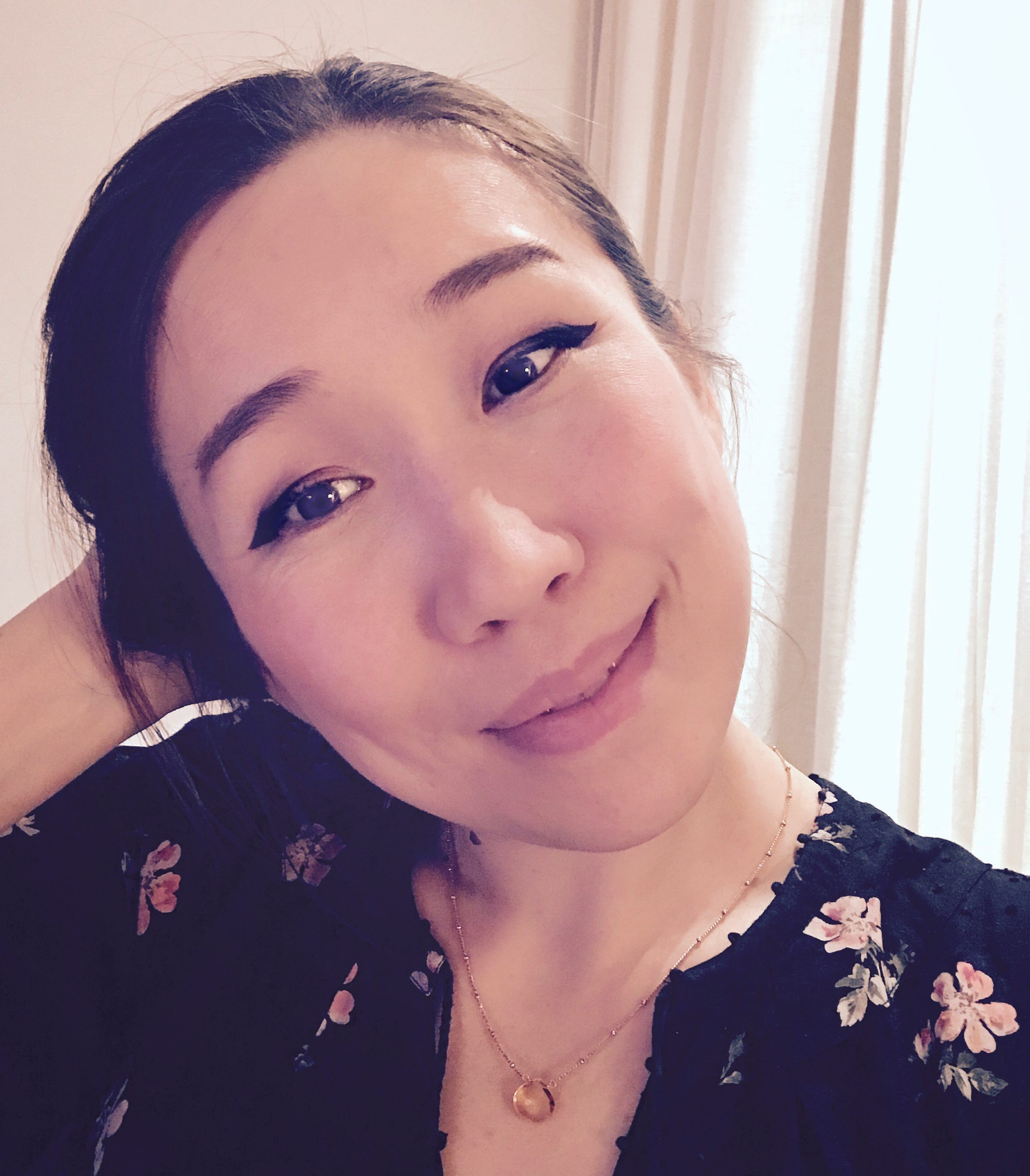
Jeannar (display name) neé Zhanar Subkhanberdina (b. 1975, Semei region, Kazakhstan) is a visual artist whose work celebrates the concept of spirituality, the beauty of nature, particularly the Mediterranean flora. Working primarily in ink painting, Jeannar translates organic forms into vivid and radiant compositions that balance architectural precision and contemplative atmosphere. Her practice bridges fine art and contemporary design, exploring the dialogue between deep colour, different textures, and craftsmanship detail.
She creates limited-edition aluminium metal prints of her paintings, emphasising durability and luminous depth of surface, which complements her colour and brushwork. Her large-scale prints (typically 130 × 95 cm) are crafted in collaboration with metal printing specialists, ensuring museum/gallery-quality production.
Her work has been exhibited in her solo show in August 2025 in Monaco and is increasingly sought after by collectors for its unique blend of painterly detail and contemporary presentation. Influenced by both Mediterranean landscapes and traditional Japanese visual art, Jeannar is building a practice rooted in timeless themes of nature, place, and a transcendental moment of perception.
She currently lives and works in Monaco.
 JeanArt