
Michael Hensley (1962)
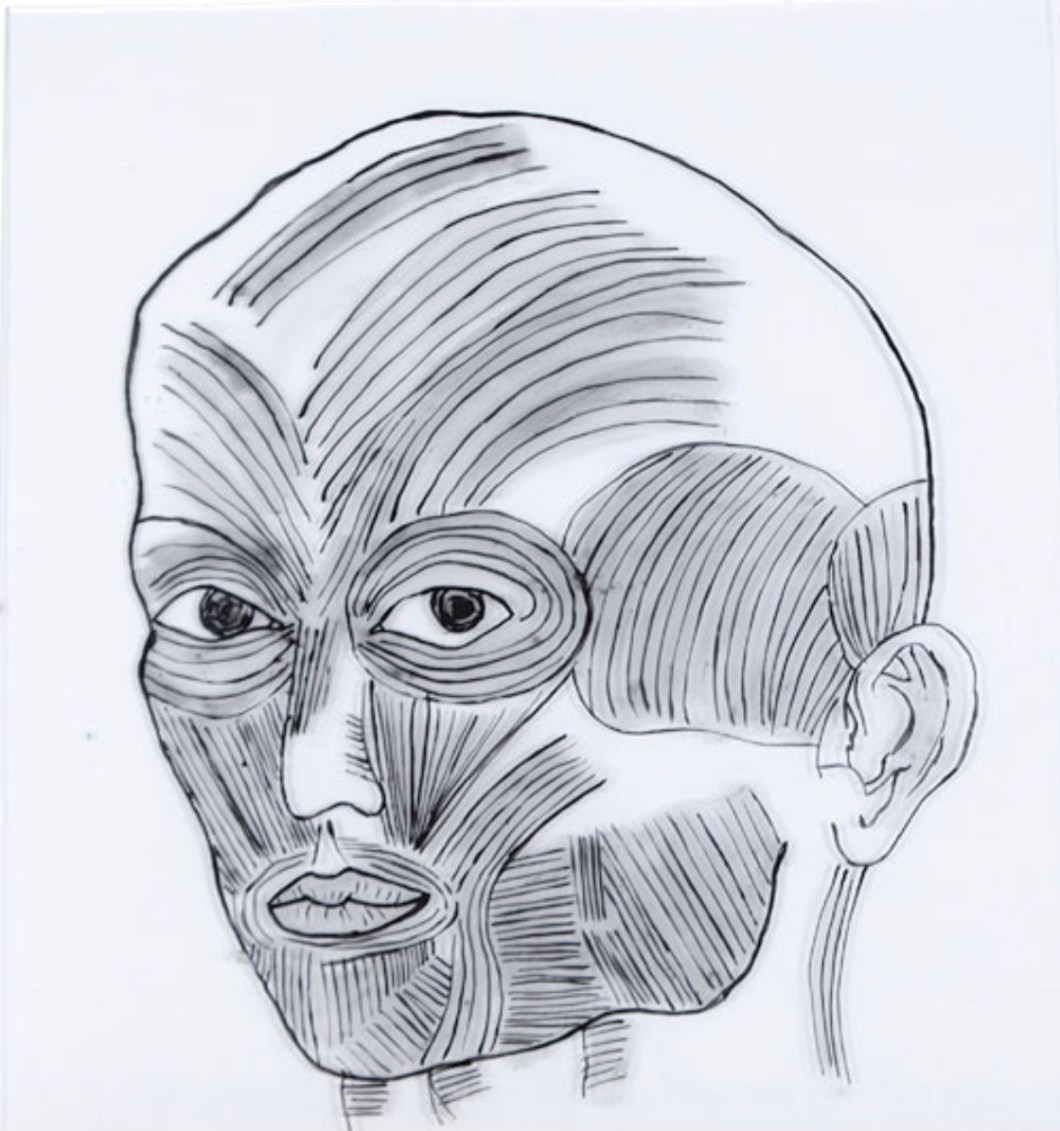
Michael Hensley is one of the most respected and widely acknowledged artists who`s unique focus was on figurative drawing with a strong accent on anatomical details. As it is stated in his biography article on michaelhensley.com he was ”passionately interested in the human figure, Michael was constantly drawing from life …. he spent almost all his time studying canons of proportion and artistic human anatomy”.
He started to draw very seriously in his teens age and received his first formal training in Woodstock School of Art in New York, he also attended lately the Art Students League and the National Academy of Design, where he was entitled a scholarship due to his talent and dedication. In his artistic career Michael was particularly inspired by the great masters of Renaissance, especially by Leonardo DaVinci. It is nessesary to mention that he created a book of a very much detailed and “exquisite anatomy”, where human muscles and limbs are drawn with a highest degree of accuracy. I ike very much his idea about Art which he expressed as : “ Art should be something people strive for, work hard and dedicate their lives to. Not something you randomly knock out in a half an hour with no thought at all”. Below are some of his drawings of human anatomy.


Kiki Smith (1954)
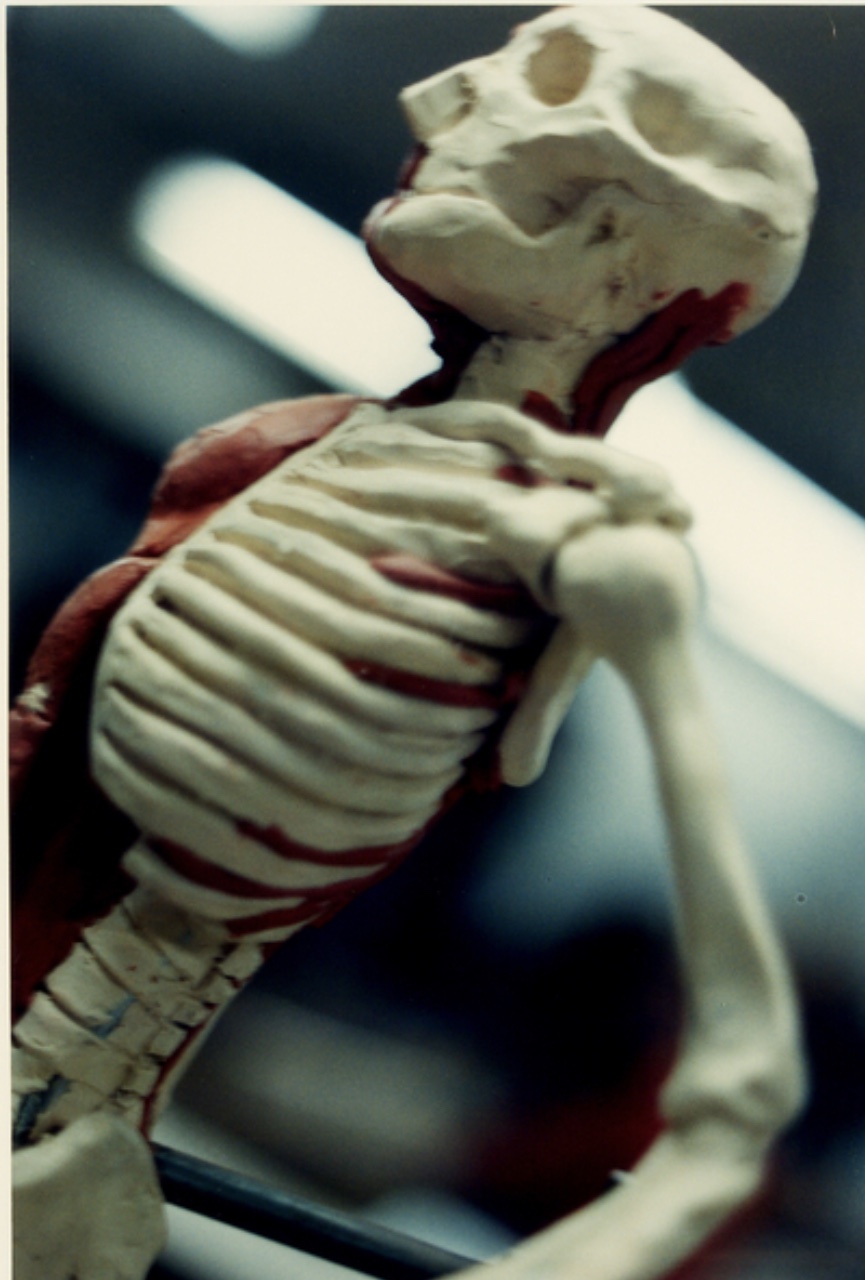
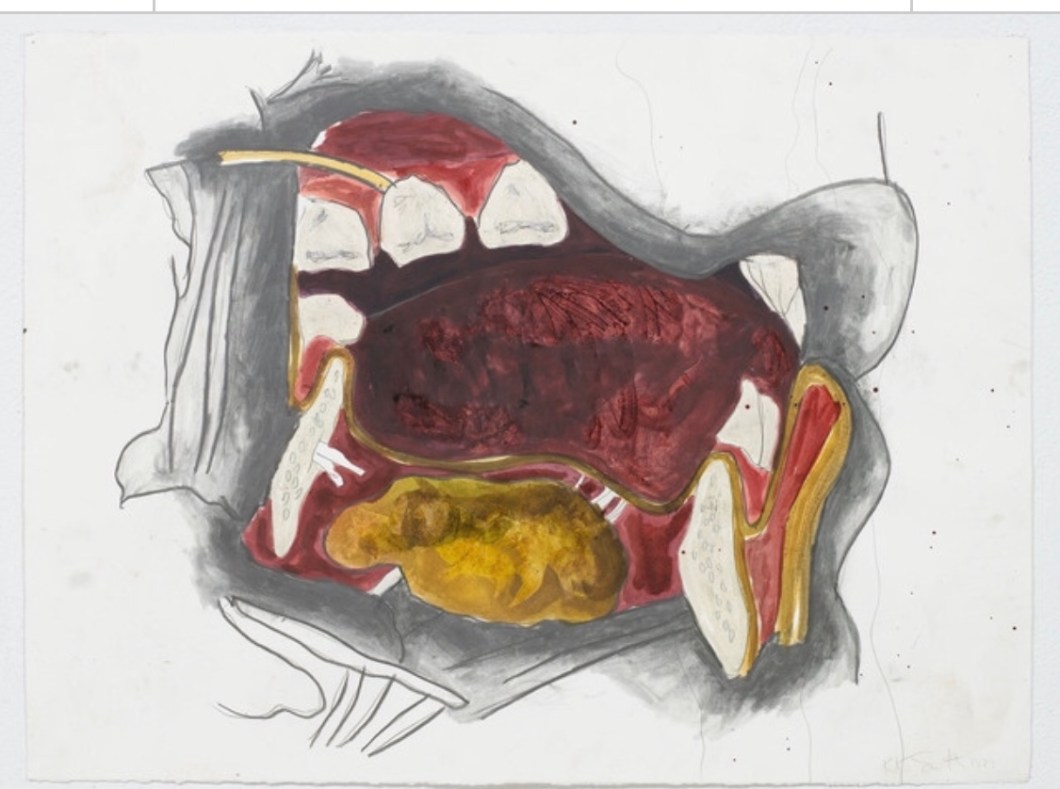
I picked up this artist because she is one of the most widely recognised and praised artist of her generation, who is “fascinated by figurative art and became known for her visceral, often disturbing artworks that depict the human body in detail, focusing on themes of women from mythology and folklore..”- as it is stated in the article about her on the artstory.org. She is a living American artist, representing a movement – feminist art. Her artworks contain drawings, paintings, books and sculptures. It is worth to mention that she did not receive any strong formal art training or education. She started her training in 1974 at Hartford Art School in Connecticut (USA) but dropped out and she is considered as a “self -taught” artist. Her both parents pursued artistic careers, her father was a minimalist sculptor and when she was a child she used to help him while he was working in his studio. Thus she had been early exposed to artistic influence and environment because her parents had been friends with many well known artists such as Jason Pollock, Barnet Newman, Tennessee Williams and Mark Rothko. It is considered that she is that type of artists which are mostly self taught. She is a multidisciplinary artist who does tattooing, drawing, sculpture, textiles and printmaking. Her art objects are often a human body and bodily fluids such as blood, semen, bile.
When I do my artists research I always try to find an interview, where they share their own thoughts about their lives and artworks. For me it is much more interesting than reading numerous critics`s essays because I seek for a direct connection with an artist- a person who actually creates art, while art critics articles often seem to be a chase for original thinking and I dont always fully understand their ideas because they are too subjective as any opinion, though I still try to read them. I found Kiki`s interview to Heidi Julavits published on July 17, 2017 on interviewmagazine.com where she shared an amazing thought: ”...One of the things I really love about being an artist is that you are in a free fall your whole life and making art teaches you to trust yousrelf and to trust your experience and be anle to think on your feet...”. I find this idea as very well thought and very truthful, because any artist is on her-his own, without any suporting social or corporate structure which give so much protection and energy to most of the people. If you do art it is only you with your art and the whole world confronting you. And that is what “teaches you to trust yourself and your own experience” because this is the only way to survive.
Untitled, 1991, krakow witkin gallery
Untitled, 1992, artsy.net
Teeth drawing 1, 1983, artsy.net
Philip Pearlstein (1924)
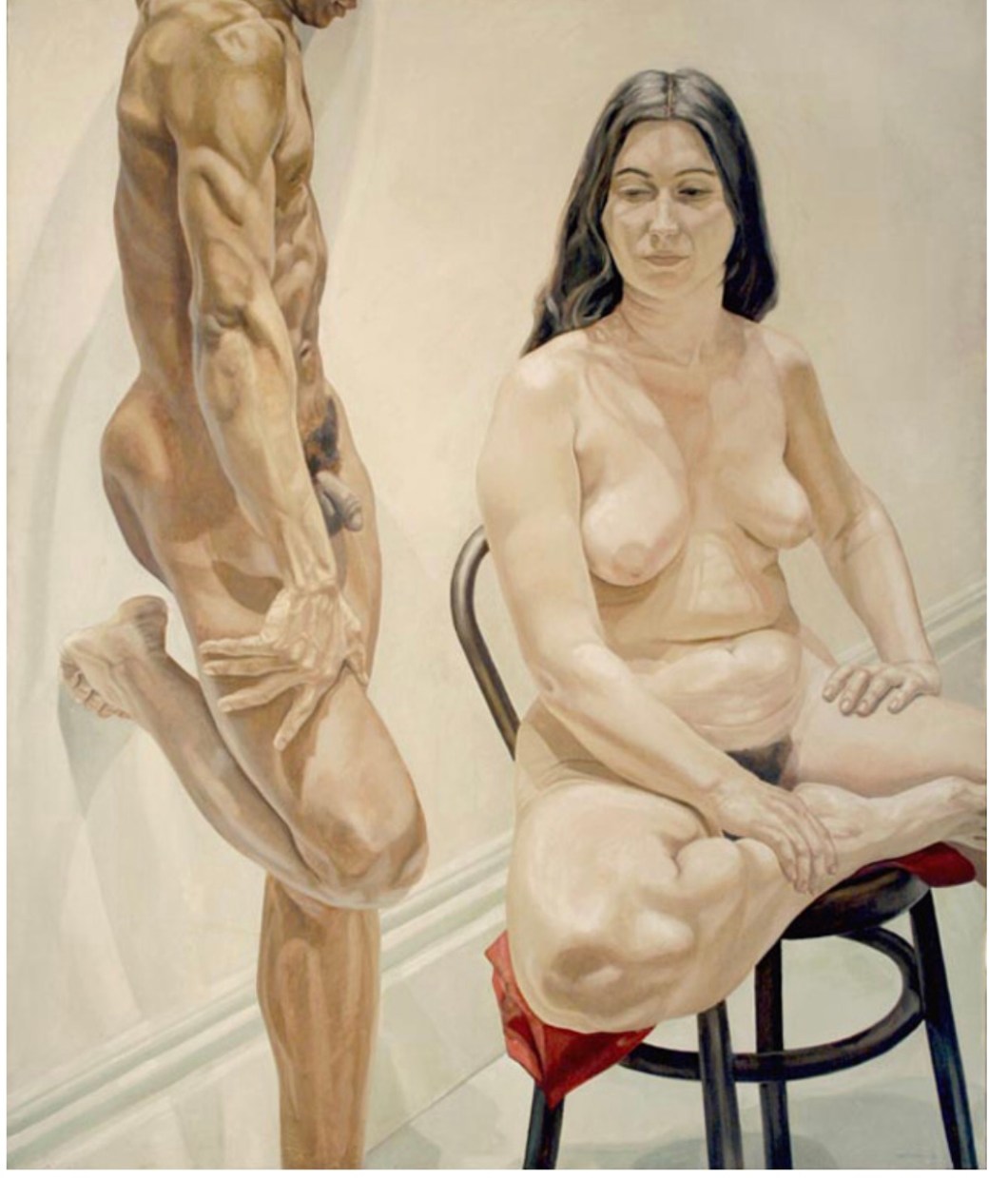
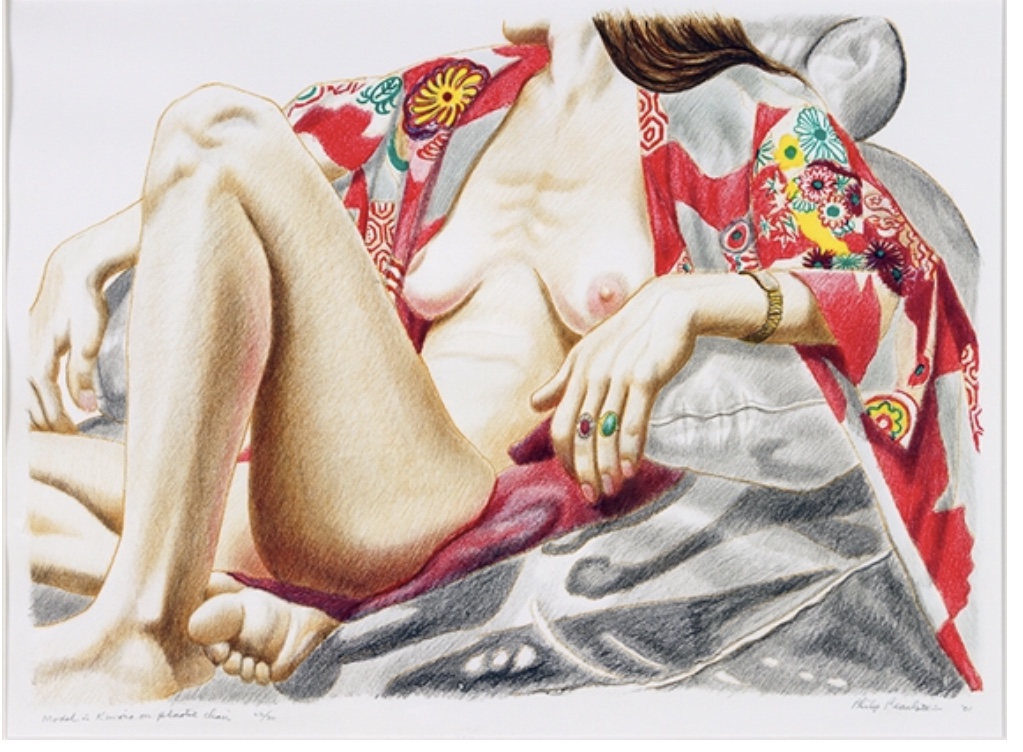
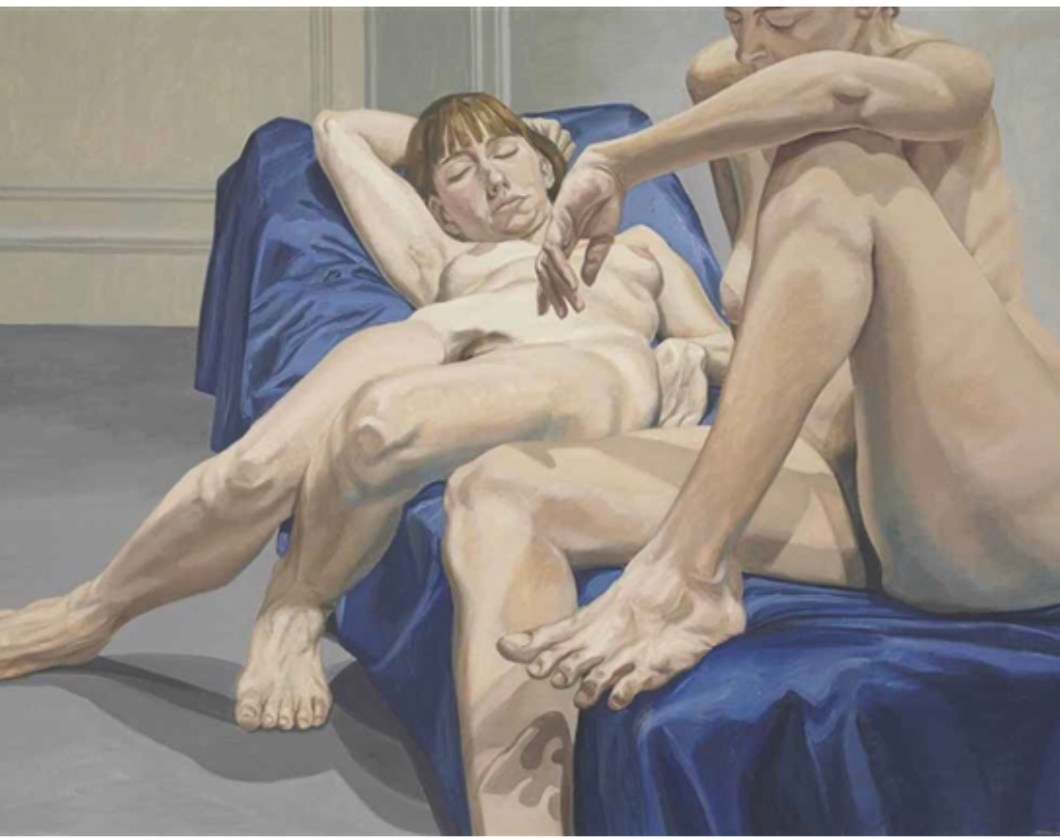
Philip Pearlstein is an American painter, a one of the greatest figurative artists of the 20th century. His artwork is mostly consist of nude models. He has received his formal training at Carnegie Institute of Technologys art school where he and Andy Warhol were fellow students and friends. He also studied art history at New York University. His early artworks were done in abstract expressionist style before he found his focus on large scale nudes and he is considered as Modern realist. As it is mentioned in the article of Janet Mckenzie published on studiointernational.com on April 11th, 2016 “... he turns 92 in May and yet he continues to work on large scale paintings....”. Philip Pearlstein is an artist with a very long, almost seven decades, career. His approach is based on “perceptual drawing” where close observation is a key element. It is interesting to know how he works: “I start in the center of the canvas. What is missing around the edges of the canvas is someones else problem”. This is how he explains why the figures on his drawings sometimes missing their heads. Personally, I find his technique and style as very appealing to me. His nude figures even though they are often look like very much exposed in their nude pose ( “dynamic and unexpected”) to a public eye, don’t seem sexual or erotic to me at all. I see lot of humanity in his images, to me they are about Zhanara to be a human. May be I project too much, but I see artist`s character in them as of a very kind person. This opinion of mine totally contradicts with what Benjamin Genocchio says about Pearlstein`s artworks in his article in The New York Times on October 28, 2007 : “… it is easy to get an impression that the artist doesn’t like people. His nudes are like holograms or mannequins, almost real but never acuity coming to life…”.
I appreciate his strong technique skills in terms of shades and creating light on the skin, I also find his taste and colours as very elegant. Critics find his paintings as “flawlessly flat painted” because there is a “lack of depth of field”. To minimise this flatness he incorporates patterned rugs and checked floor tiles as a ground to position his figures.
Standing Male, Sitting Female Nudes, 1969; oil on canvas; mutualart.com
Model in Kimono on Plastic Chair, 2001; color lithograph; mutualart.com
Two Female Models, One seated; One reclining with arm overhead, 1965; oil on canvas; mutualart.com
Reference list:
1) http://www.michaelhensley.com
2) GCSEE Art -Michael Hensley, Pinterest, by Lauren Hoyle
3)“Kiki Smith Artist Overview and Analysis”, (Internet) 2018 TheArtStory.org Content compiled by the Art Story Contributors, published and edited by The Art Story Contributors.
4) Heidi Julaviz www.interviewmagazine.com
5) http://www.artnet.com<artists< Kiki smith
6) http://www.artnet.com <artists <Philip-pearlstein
7) Janet Mackenzie, 11.04. 2016 studiointernational.com
8) Ken Johnson, Jan. 6, 2009; The New York Times; http://www.nytimes.com
9) Benjamin Genocchio, The New York Times; Oct.28, 2007; http://www.nytimes.com

