
Before I start Part Two, I put some notes on my Tutor’s feedback he provided for my Part One submission.
My Tutor was satisfied with my overall progress and pointed out to two areas I had to focus for Part 2:
- Catch up with getting critical feedback; This point will be addressed below.
- Do not postpone my artwork showcase/exhibition arrangements since the venues are booked very much ahead; This point will be addressed in the last post for Part 2.
Critical feedback.
It has been difficult to get critical peer feedback exposure through OCA. I emailed ( 02.05.25) my program leader for advice on getting in touch with my cohort of students so I could arrange an online peer crit session. The answer was that my request was passed to two other people, and I should wait for their advice. I haven’t received any information so far, so I see that even though the syllabus requires peer crit reviews, the process is not structured regarding its facilitation within the cohort.
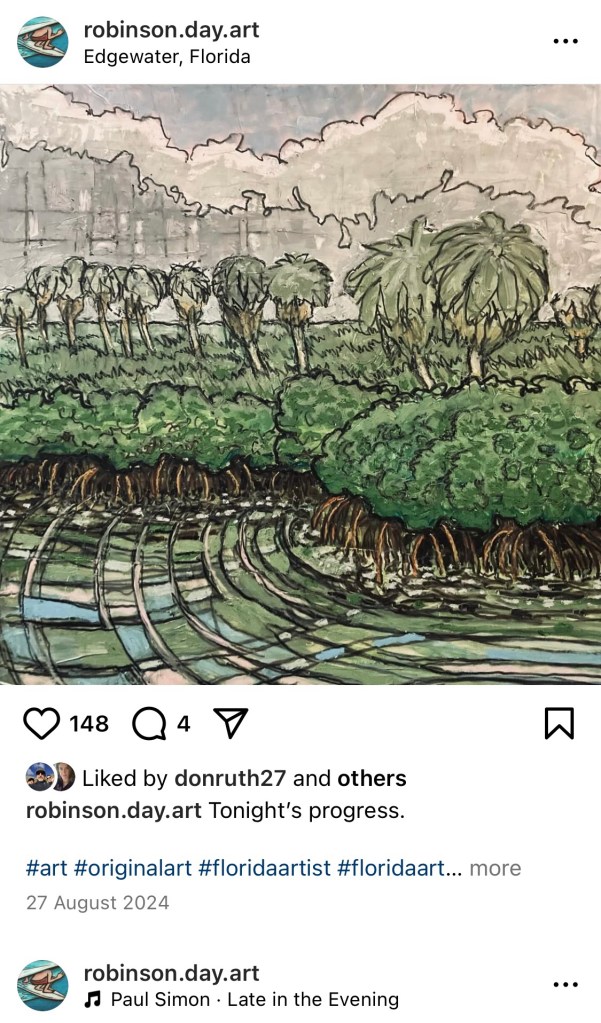
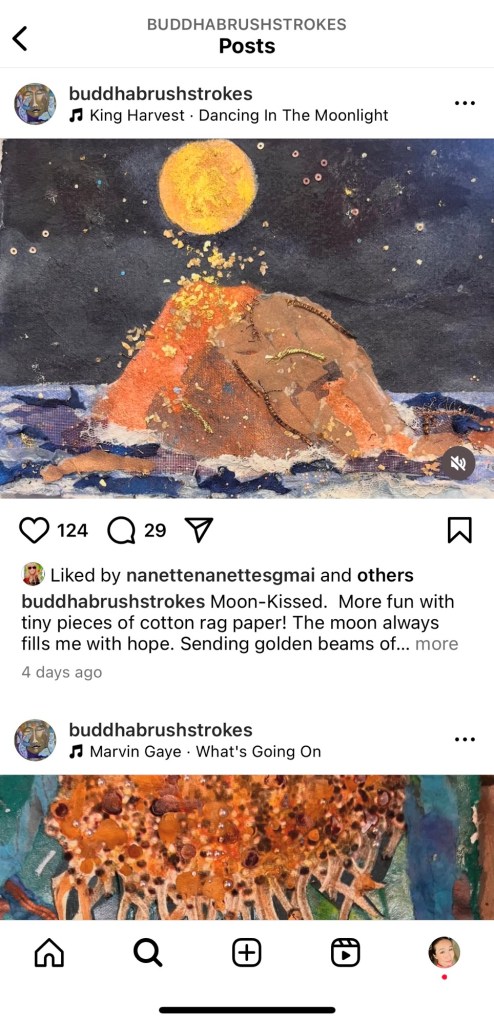
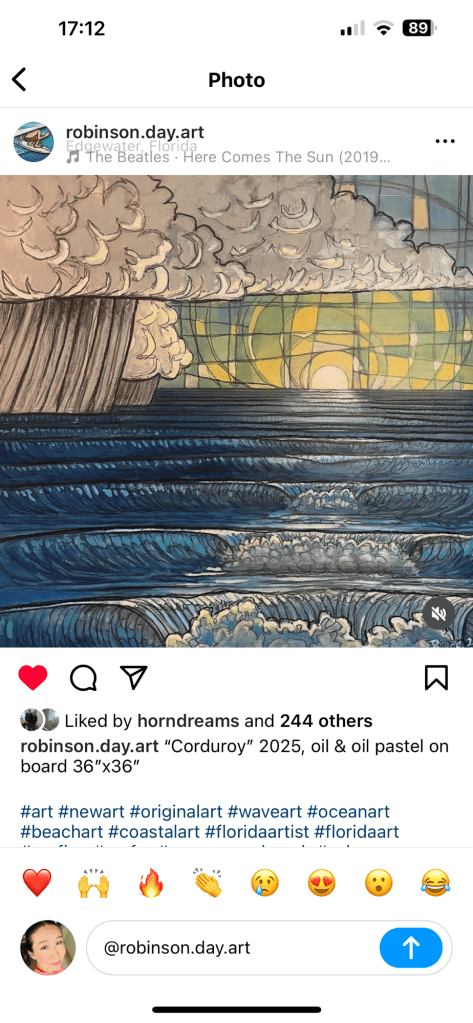
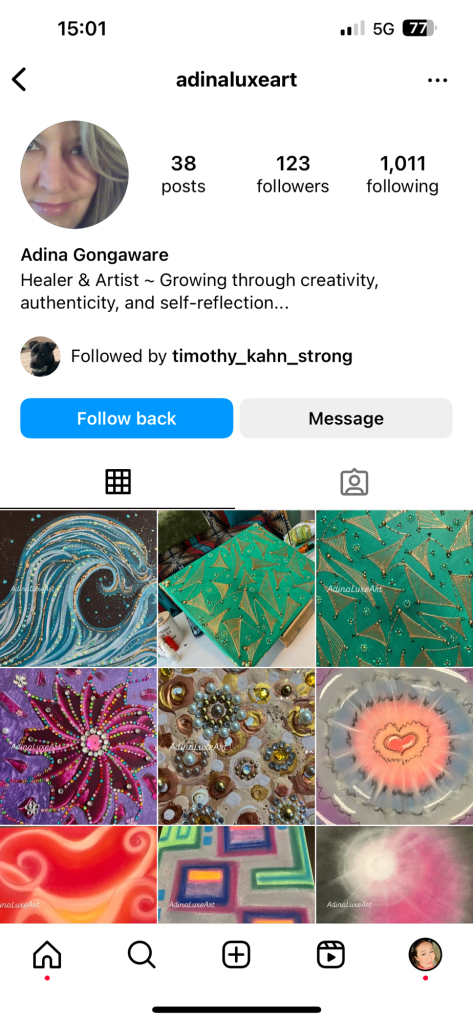
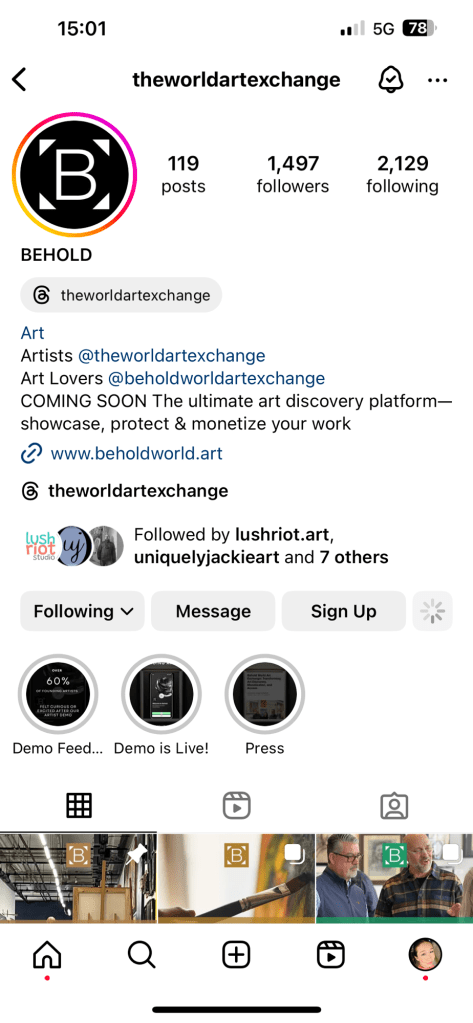
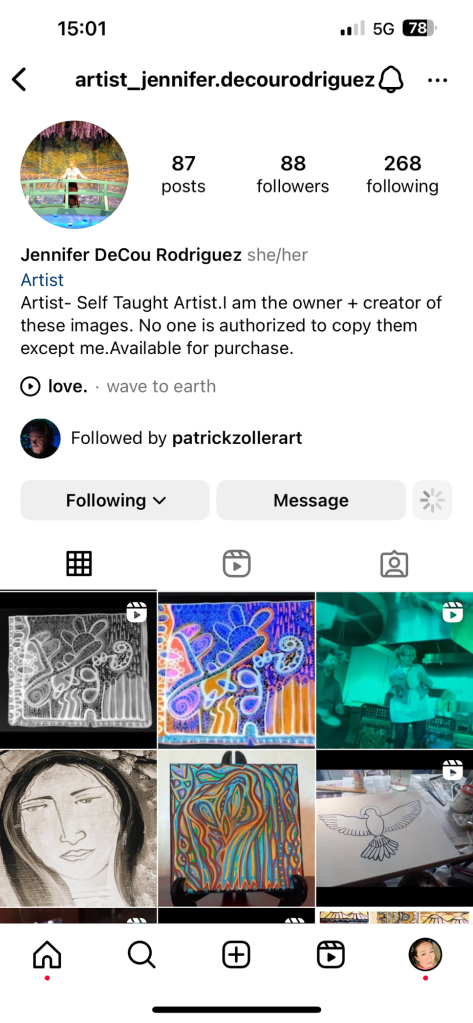
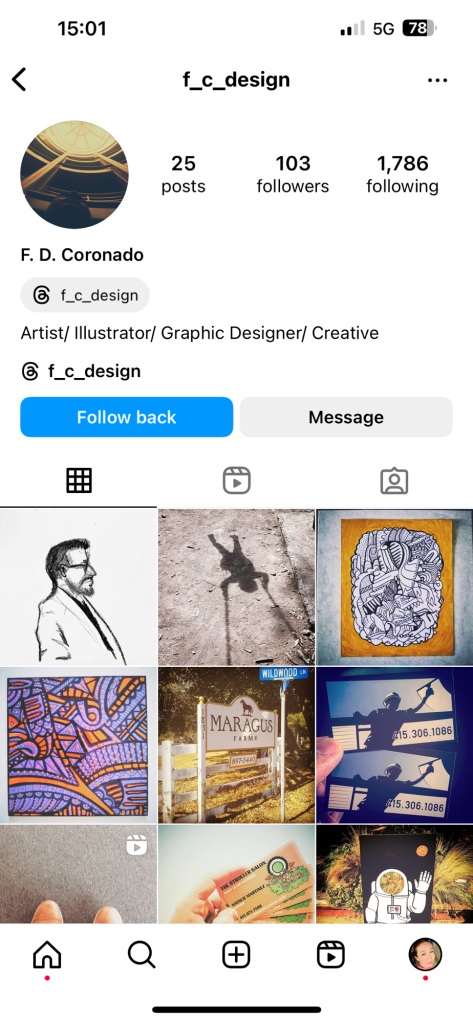
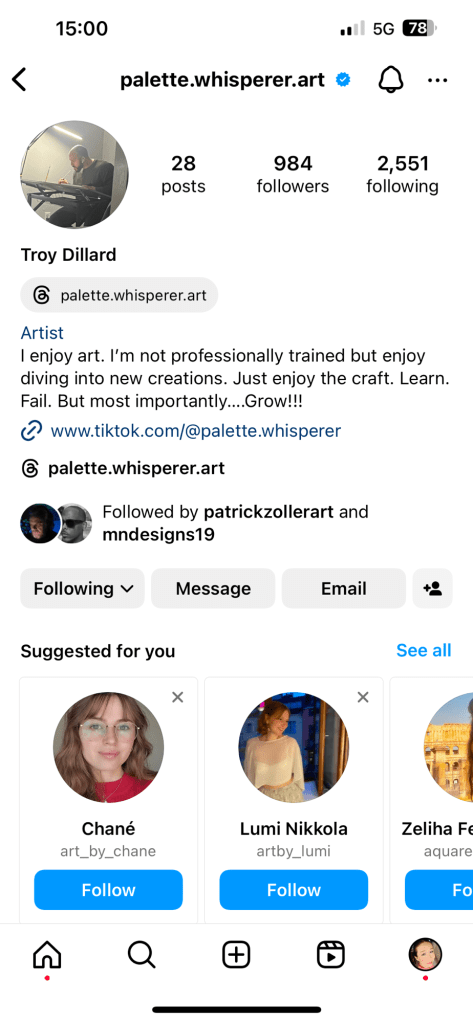
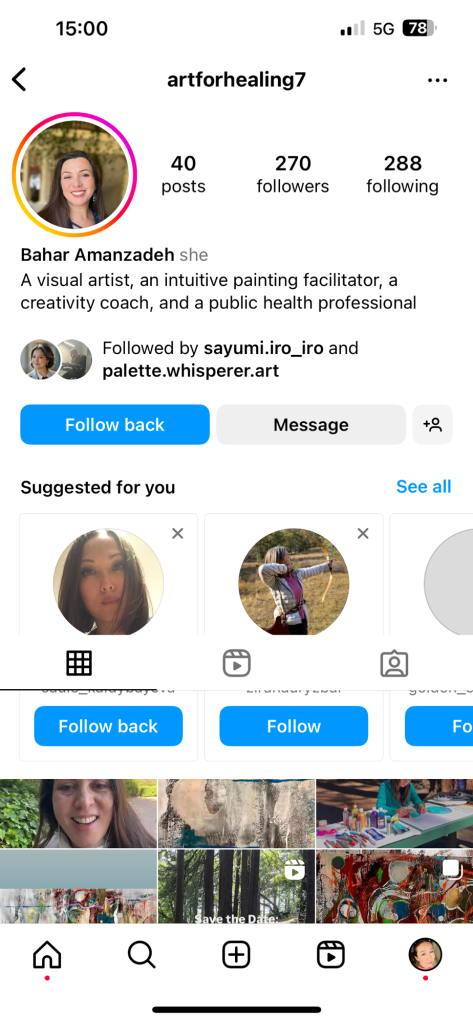
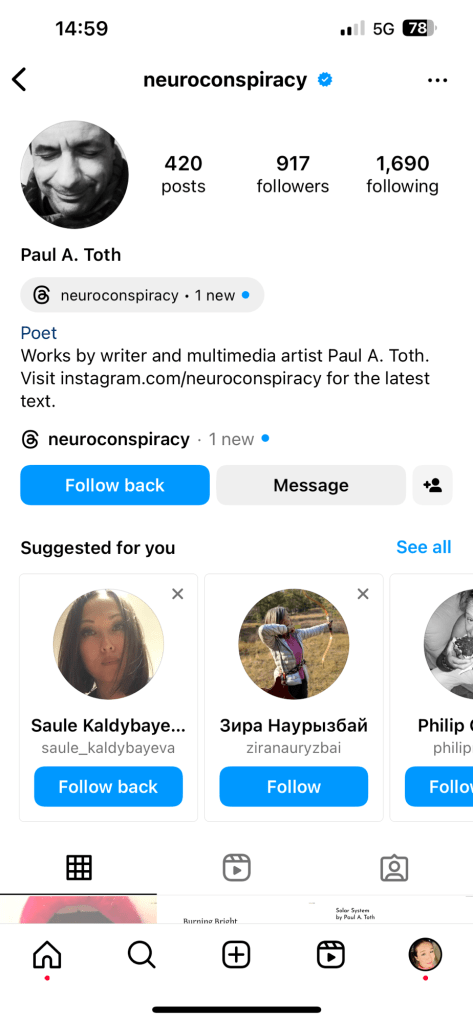
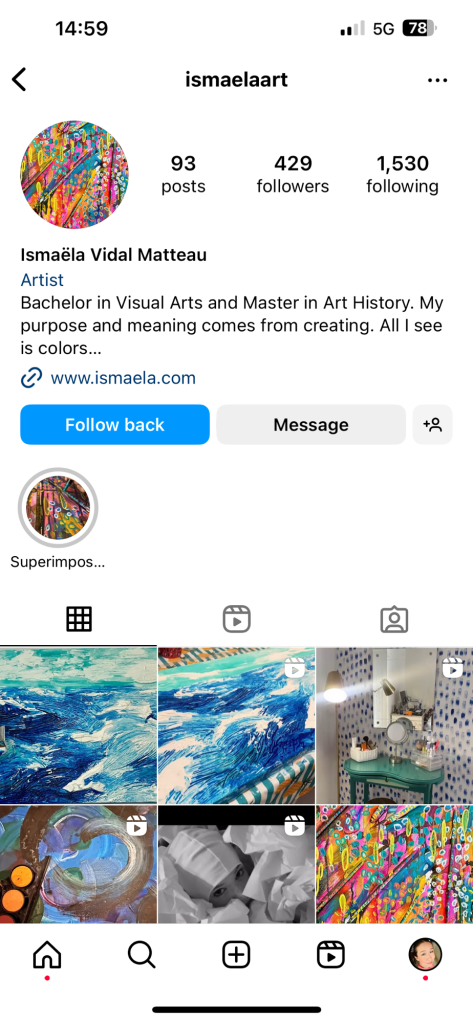
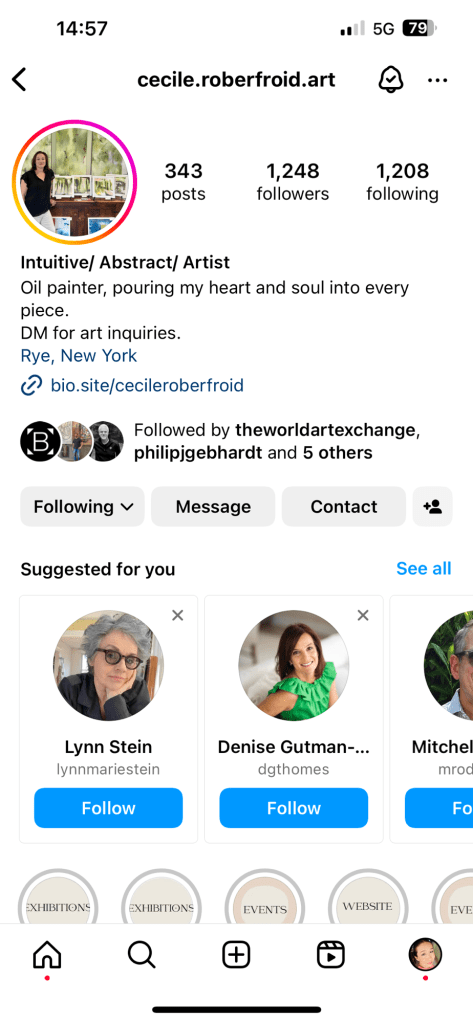
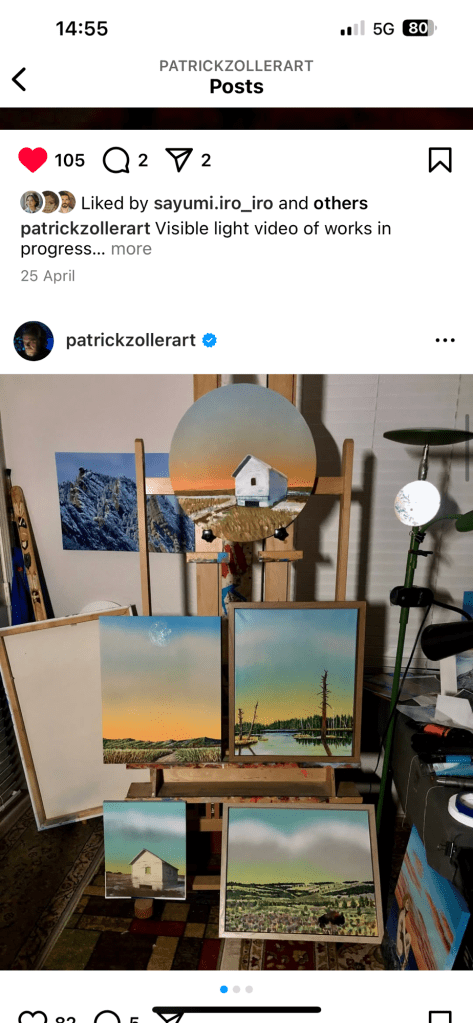
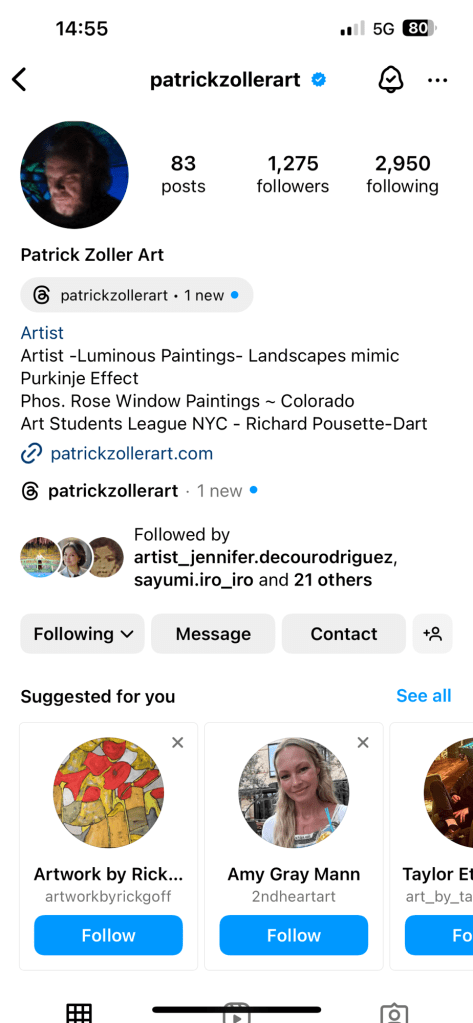
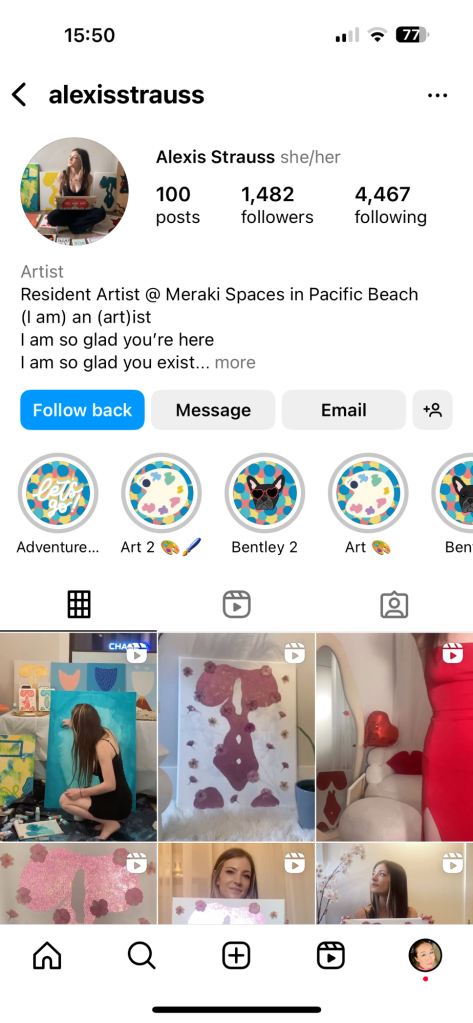
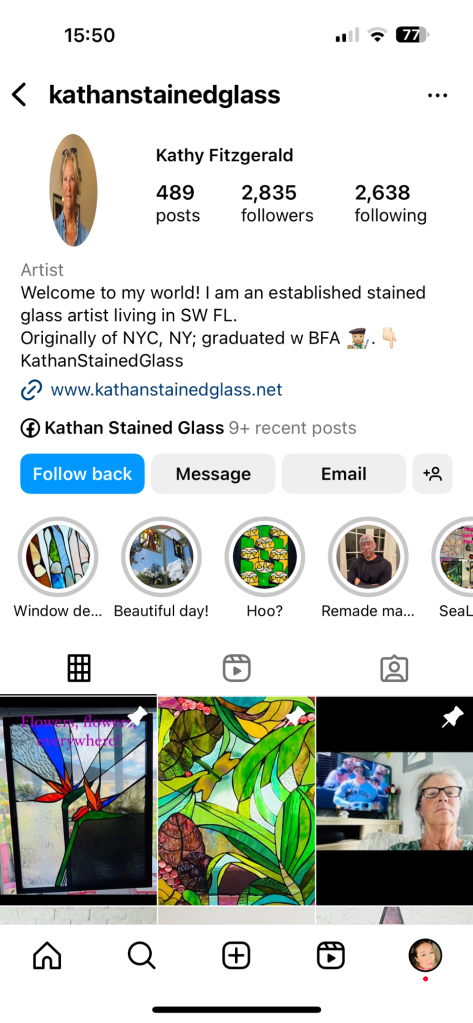
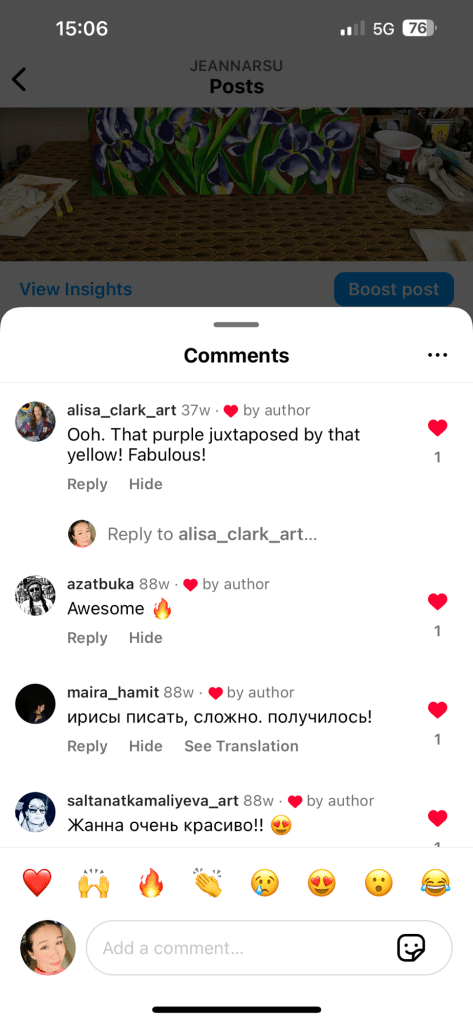
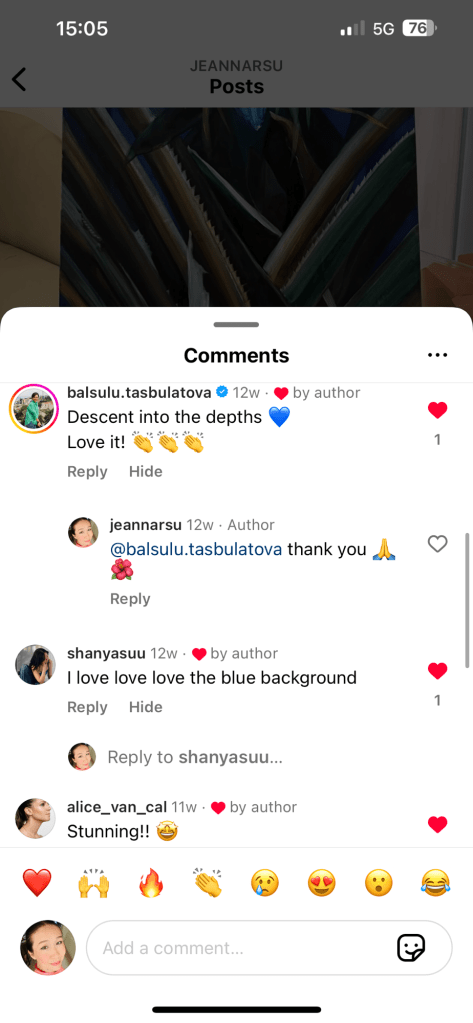
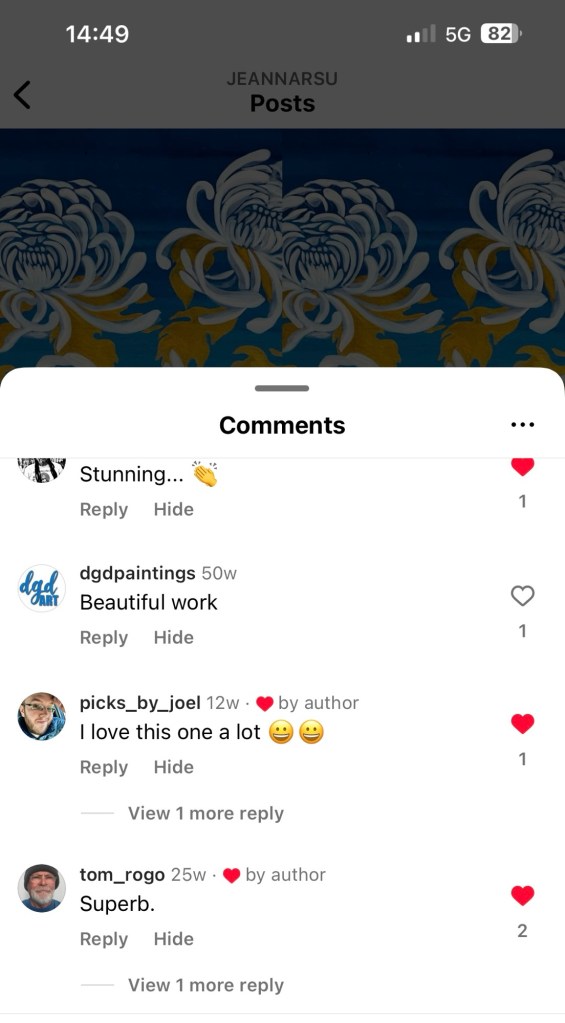
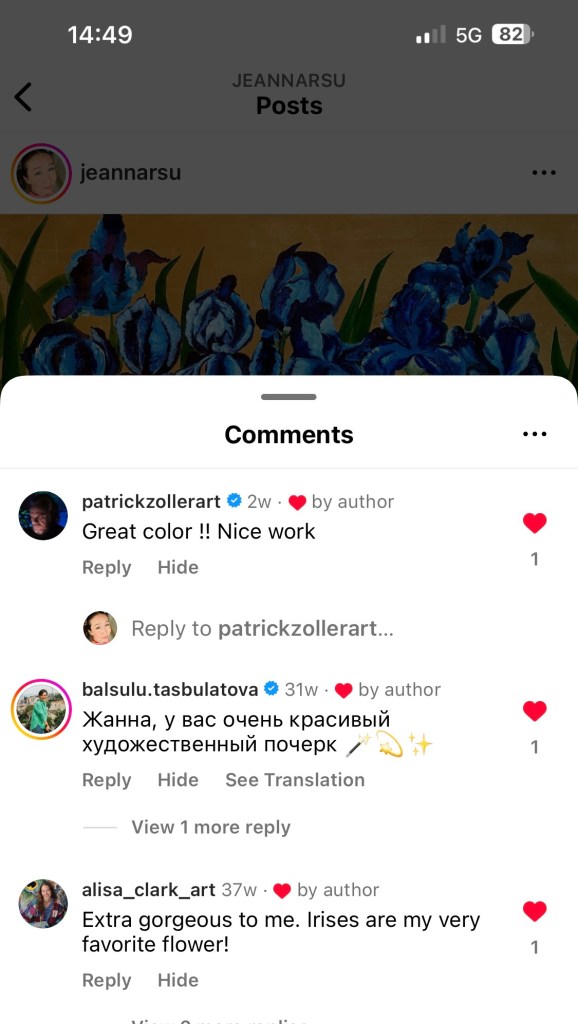
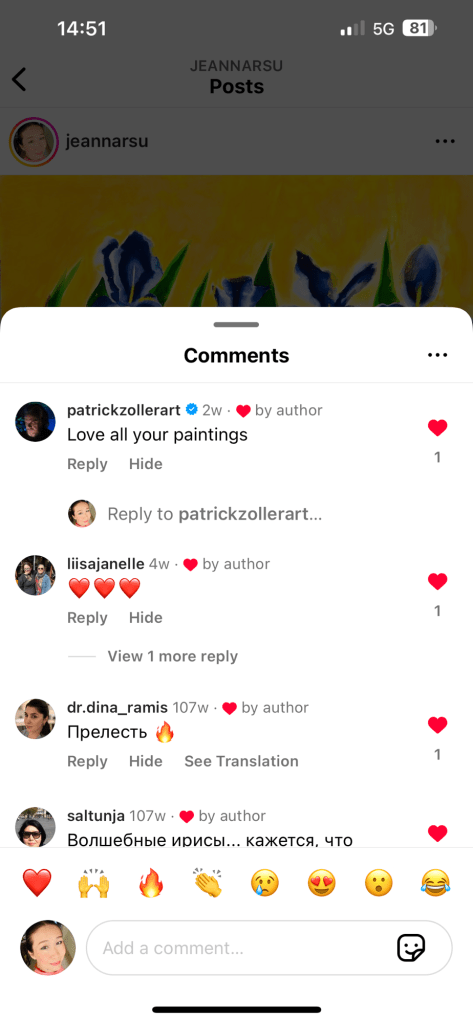
However, I have not lived in a vacuum since my Instagram account gained more subscribers over the last six months. I have been promoting several of my artworks, targeting people in the visual arts industry in the USA and Europe. My account subscribers are various artists, and I feel flattered because when I check their accounts, I see they are also rising or established professionals. Some of them comment on my various artworks, and I know that they check my account by watching different works of mine. There are 3505 subscribers to my account so far. I have placed below some of their work so you can see the level of my Instagram community connections:













Some feedback from my subscribers:




Project 1: Driven by Practice
Exercise 1: Time for Making
We are required to: “Dedicate a period each day (it could be 7 mins or an hour) over some time from 3 days up to a maximum of 7 days to perform a task or activity that is part of your practice. It could be a studio-based activity or related to something you are working on in your research. Reflect on what part of the day works best for different activities. Do you think clearly in the morning or at night? Do you respond well to routine, being spontaneous, or both? Do reflecting, making, and creating require different spaces and times? Document what you are doing, how it progresses, and how your relationship with the task changes. Documentation might be image-based, textual or other. Test ways that suit your activity and reflect on this in your learning log.”
Day 1.
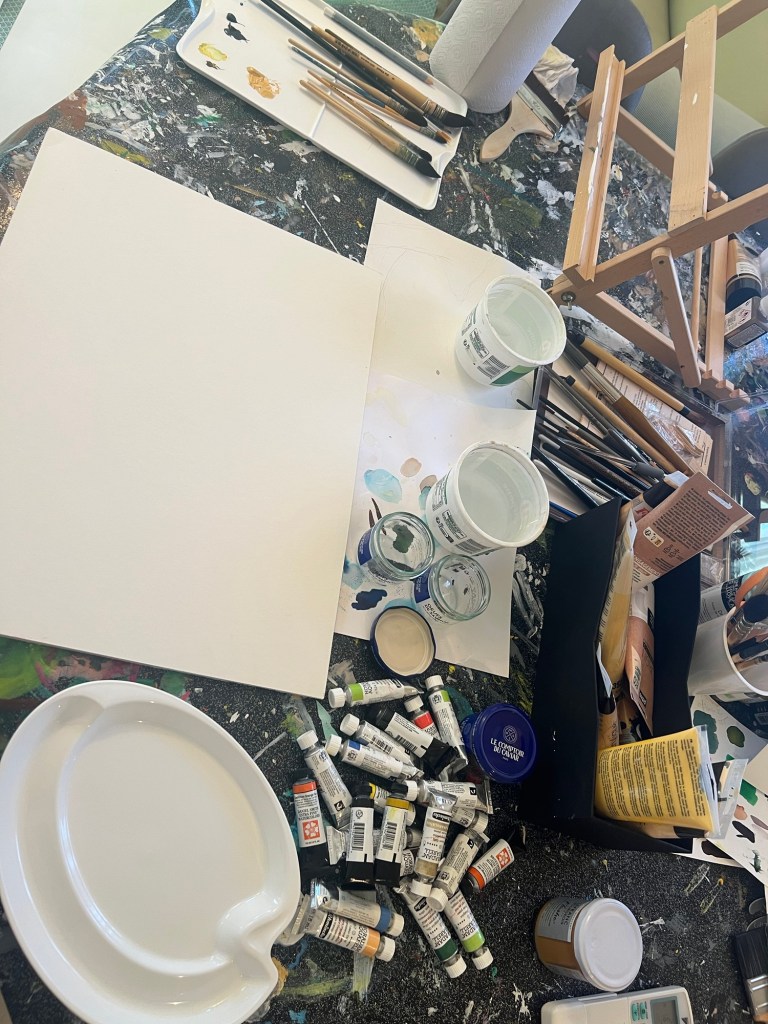
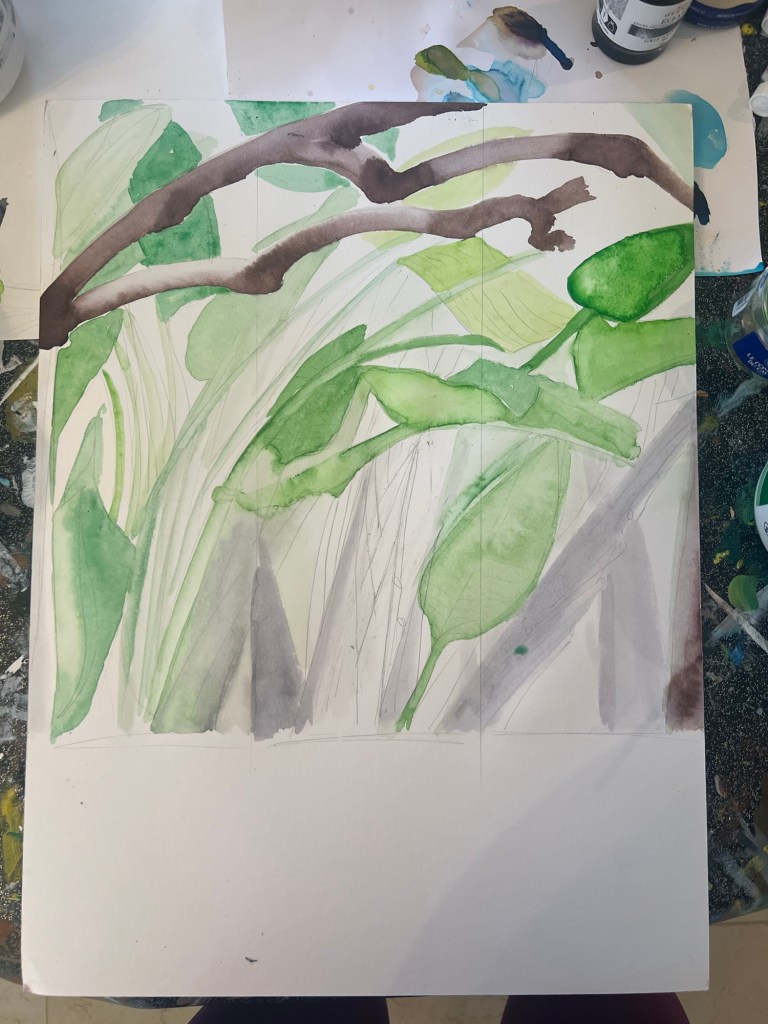
Today, I started preparing materials for my next project related to the Garden theme I am developing. I have made a study on paper to reflect on the compositional decision. I have applied a gesso over one of the three wooden boards I plan to use for the work. I worked after lunch for one hour in my studio. I also check the new aquarelles in small tubes I bought recently. I checked the quality and colours of the paper study and decided to stick to inks for my project on wooden boards.

Day 2
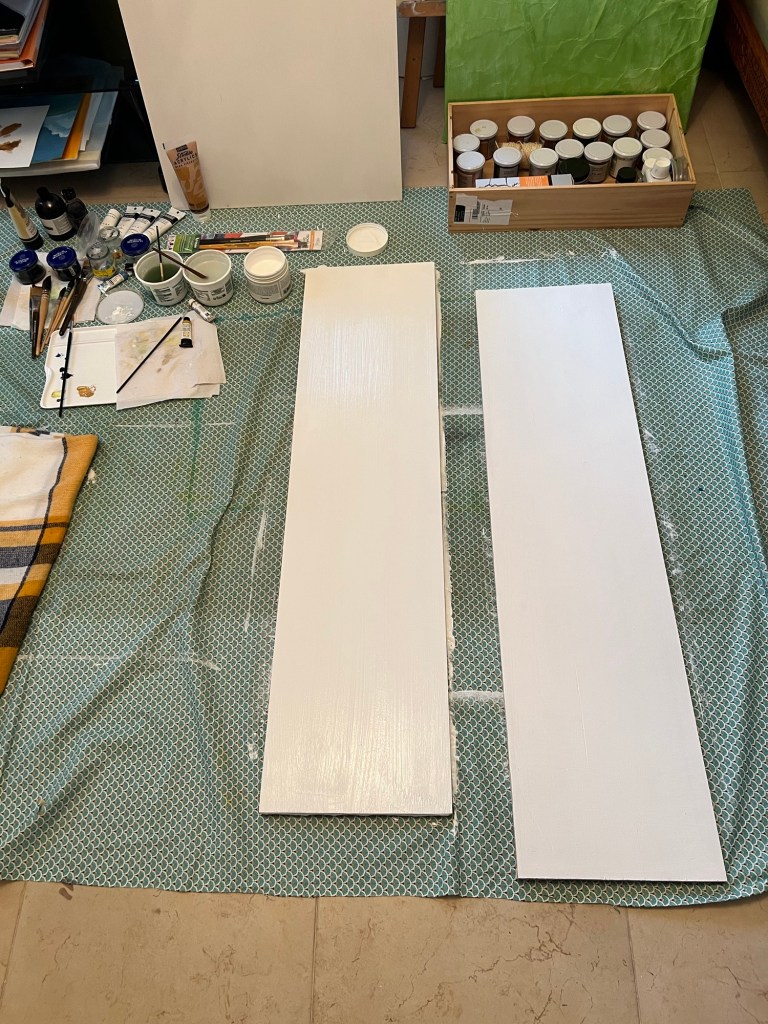
Today, I came to my studio space after lunch again to continue working with wooden boards in my project preparatory phase. It was important for me not to rush myself and take time and discipline to prepare the painting surface. This is part of the creative work, and the quality of the preparation determines the artwork’s final quality. I clearly sensed this and tried to go through this phase with due diligence. I worked for another hour.


Day 3
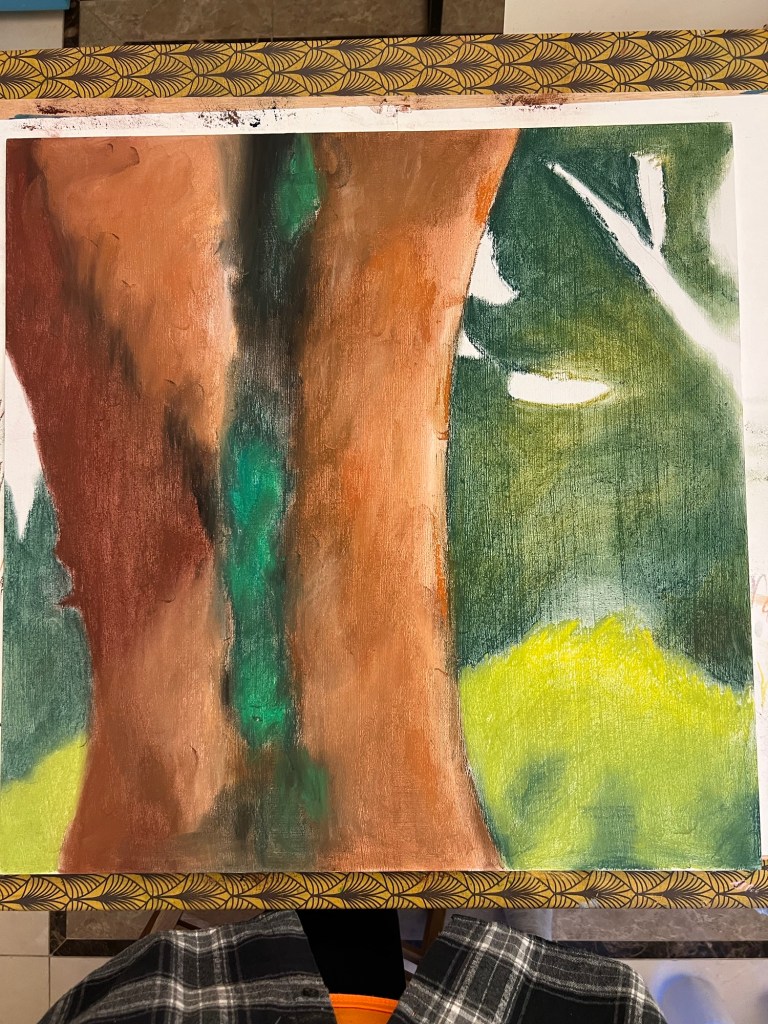
Today I spent an hour in my other creative space – the space, adjacent to my kitchen. I worked with soft pastels, thinking about the tree’s stem and bark, which is an important part of the composition. Below is my quick, unfinished study. I came to work after lunch because my mornings are busy with all sorts of tasks I have in my daily family routine. These tasks distract me from the creative process, so I try to do them in the morning to empty my head of them.


Day 4
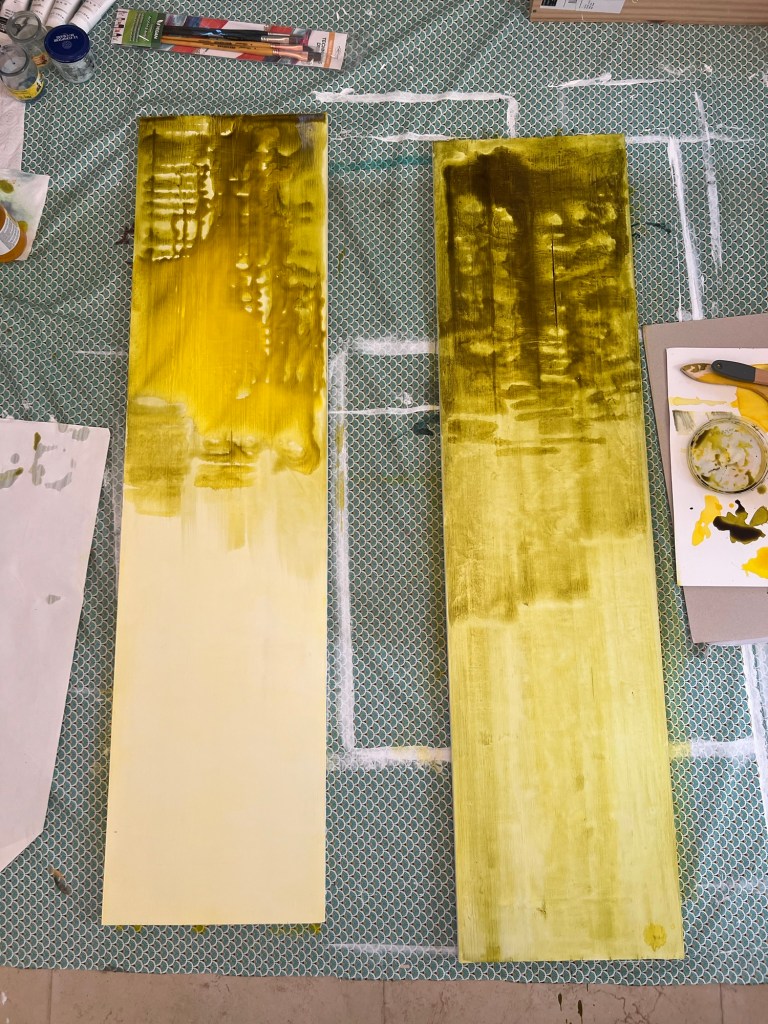
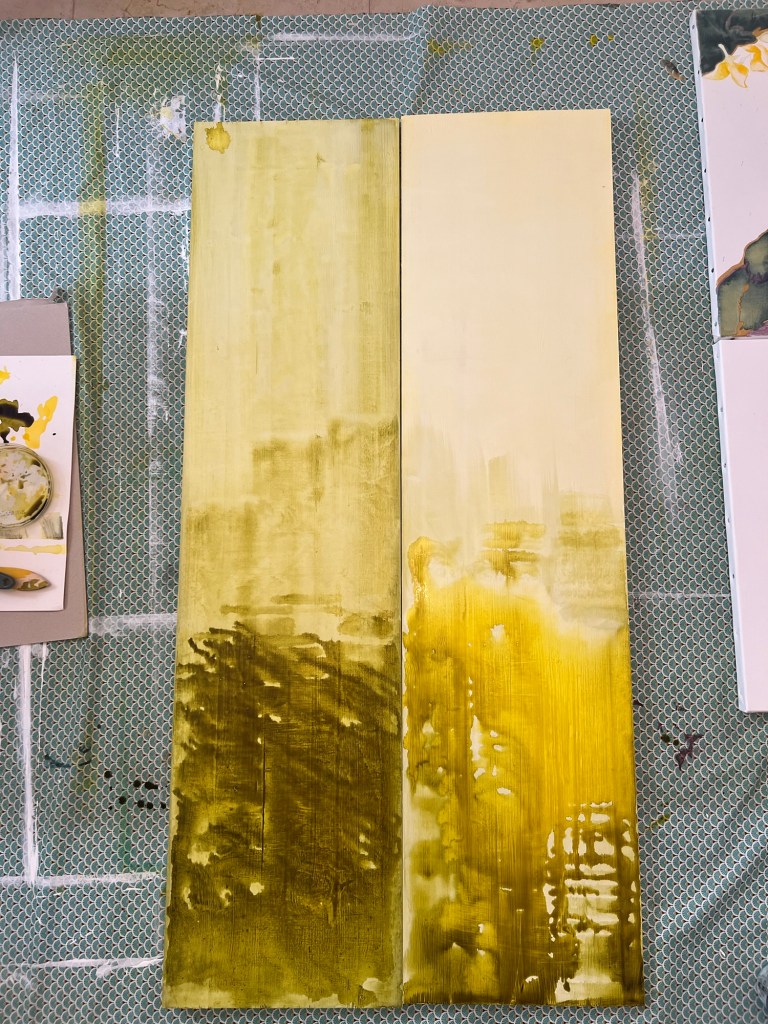
Today, I managed to come to my studio around 10 a.m. for 2 hours. If I can spend 2 hours before lunch and 2-3 hours after lunch working in my studio, this is a perfect day. My gesso was dry, so I sanded the boards and started preparing the background by placing layers of inks. Morning hours in the studio are marked by a feeling of strong determination to create and complete the project.

Day 5
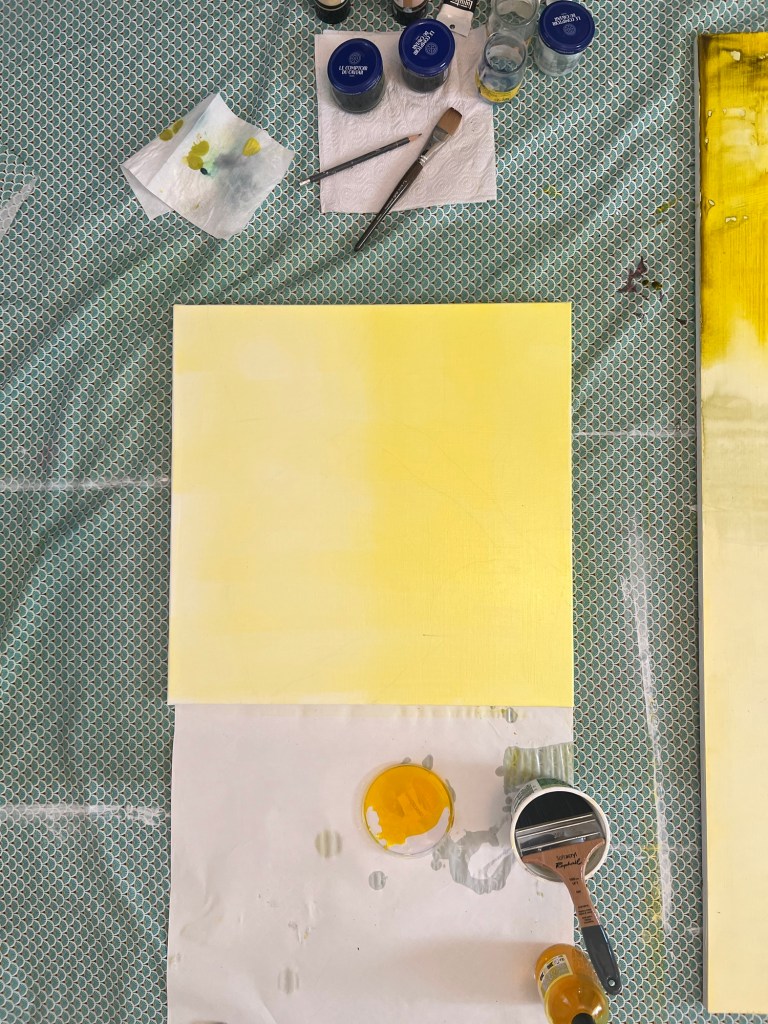
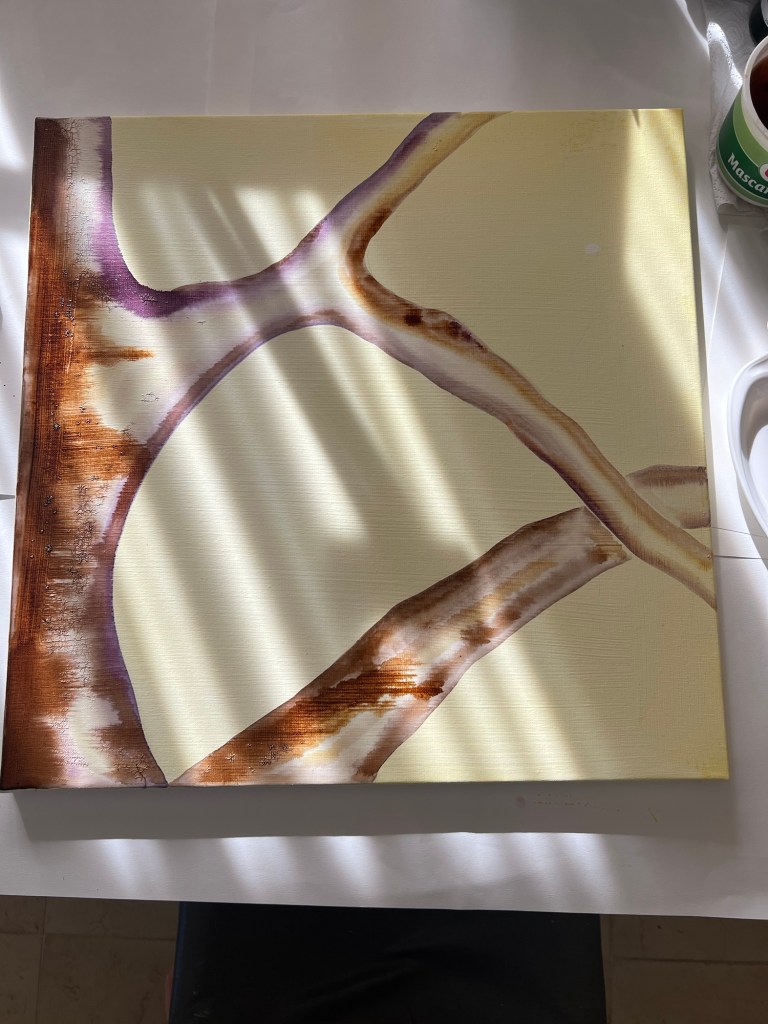
Today I worked for an hour creating a background to continue with one item of my Garden project, which I started on 6 separate canvases earlier. I have been thinking about this project, and didn’t continue because I was unsure about the background colour. After I tested the bright yellow on the wooden board for different projects, I realised I wanted the same hue for the canvas fragment. Working on two projects simultaneously stimulates my creativity, helping me find solutions for postponed ones.

Day 6
After lunch, I spent an hour working on one of the canvas fragments. I placed the previous one to continue the tree. I like this project because I don’t know where it will take me. I am developing one side of the 6 canvases containing work, and I have no idea where I will end up and with what. This is very exciting and makes me feel happy.
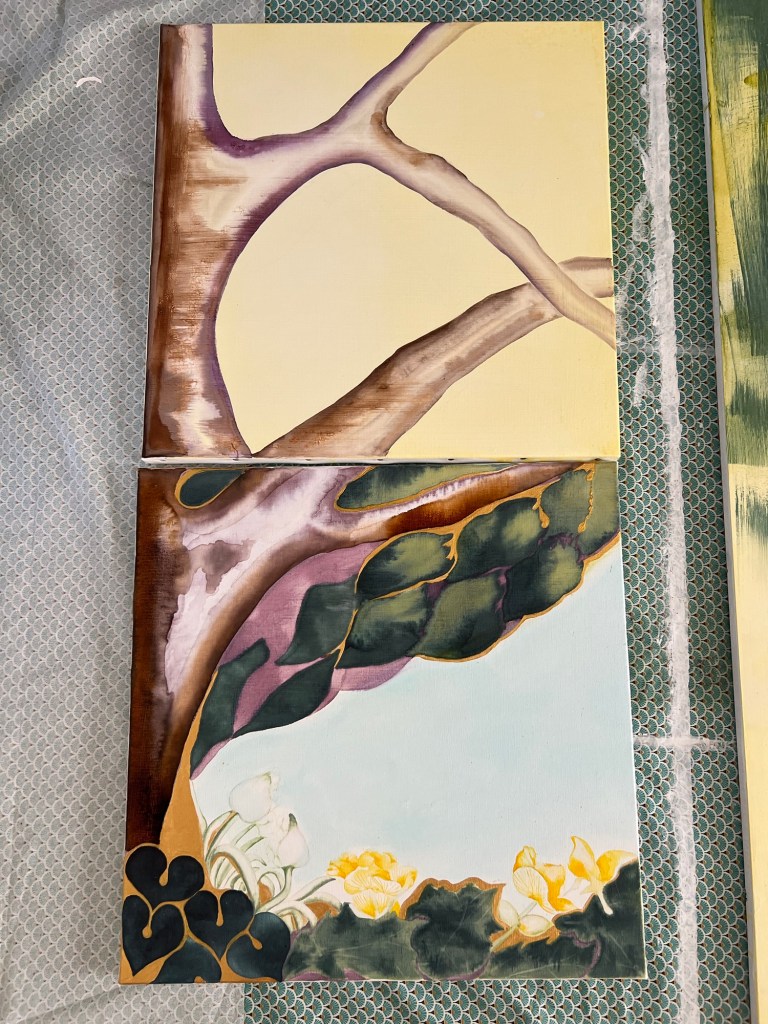

The days I can spend 4-6 hours working in my studio are rare, but I am glad they happen much more often. The major progress for the last months since the beginning of the year is that I learned how to spend at least an hour dedicated to my artworks. My main challenge is to manage my physical ability and energy for creative work, which is very demanding from this standpoint. I understand I can’t work after 5 pm because I am too tired. The art takes all of you, so I must be well-rested. I can not be spontaneous since painting requires lots of stuff and is a messy process, so I have to be in my studio. I plan my week by blocking hours on certain days in advance and trying to stick to my plan, which makes some people unhappy since I have to say “no” to their inquiries. This kind of planning works for me better than being spontaneous.
 JeanArt