Exercise 1.3. Exploring unconventional painting materials. In. this exercise we have to explore the possibilities for building up the surface of painting, using unconventional art materials. Rather than creating an image, the emphasis here should be on creating a material surface of texture, tone, and/or colours to transfer the canvas.
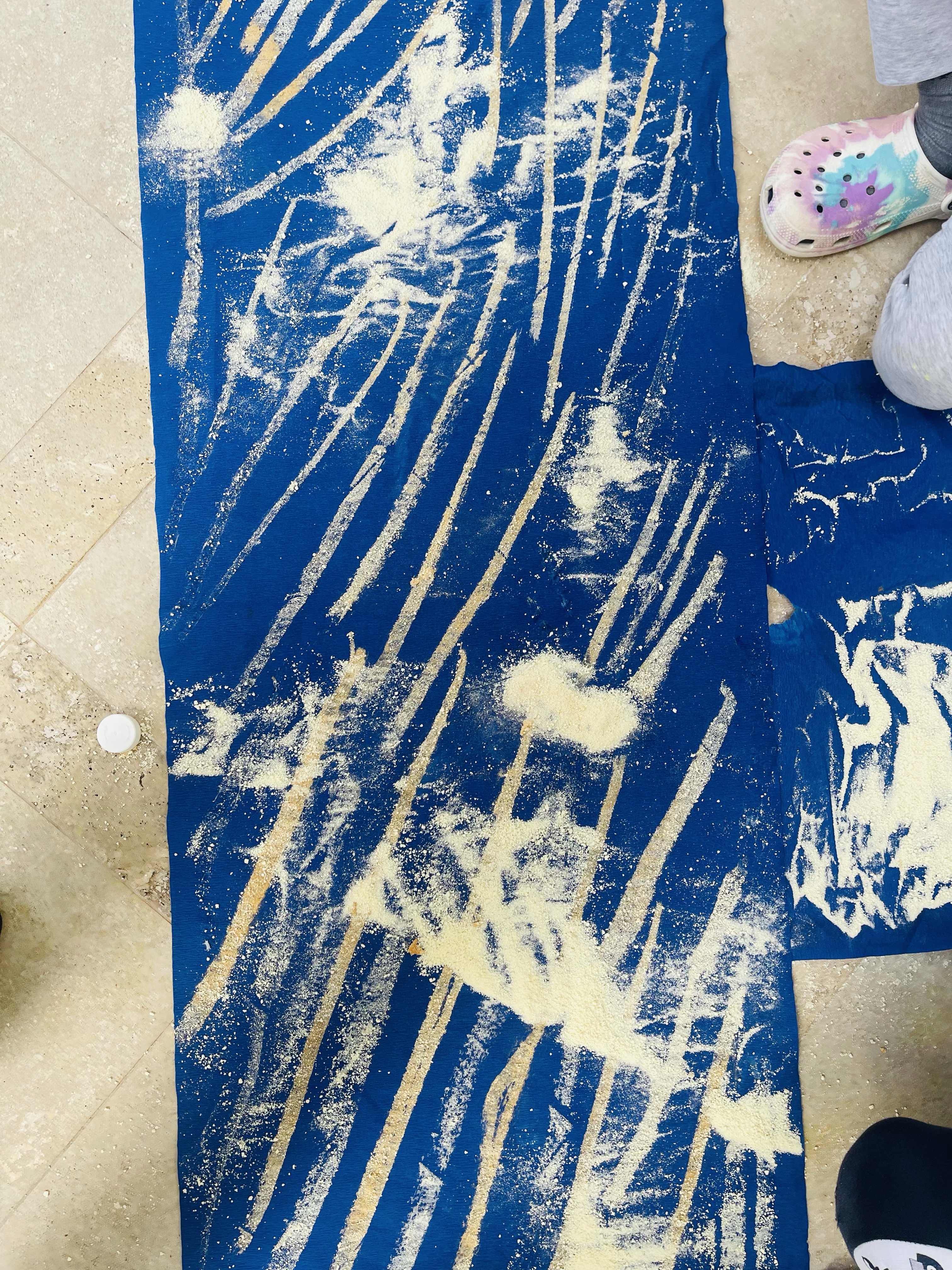
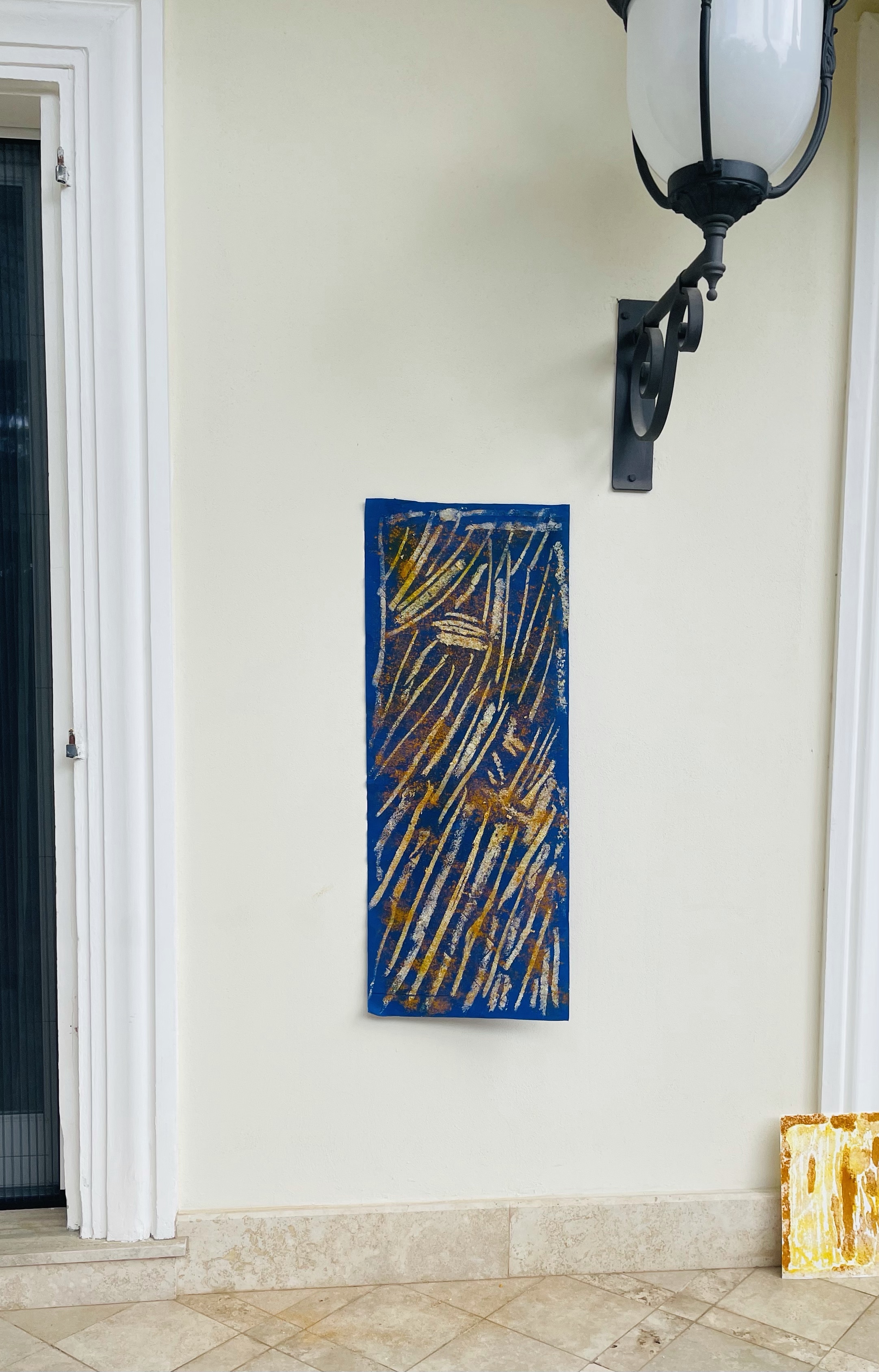
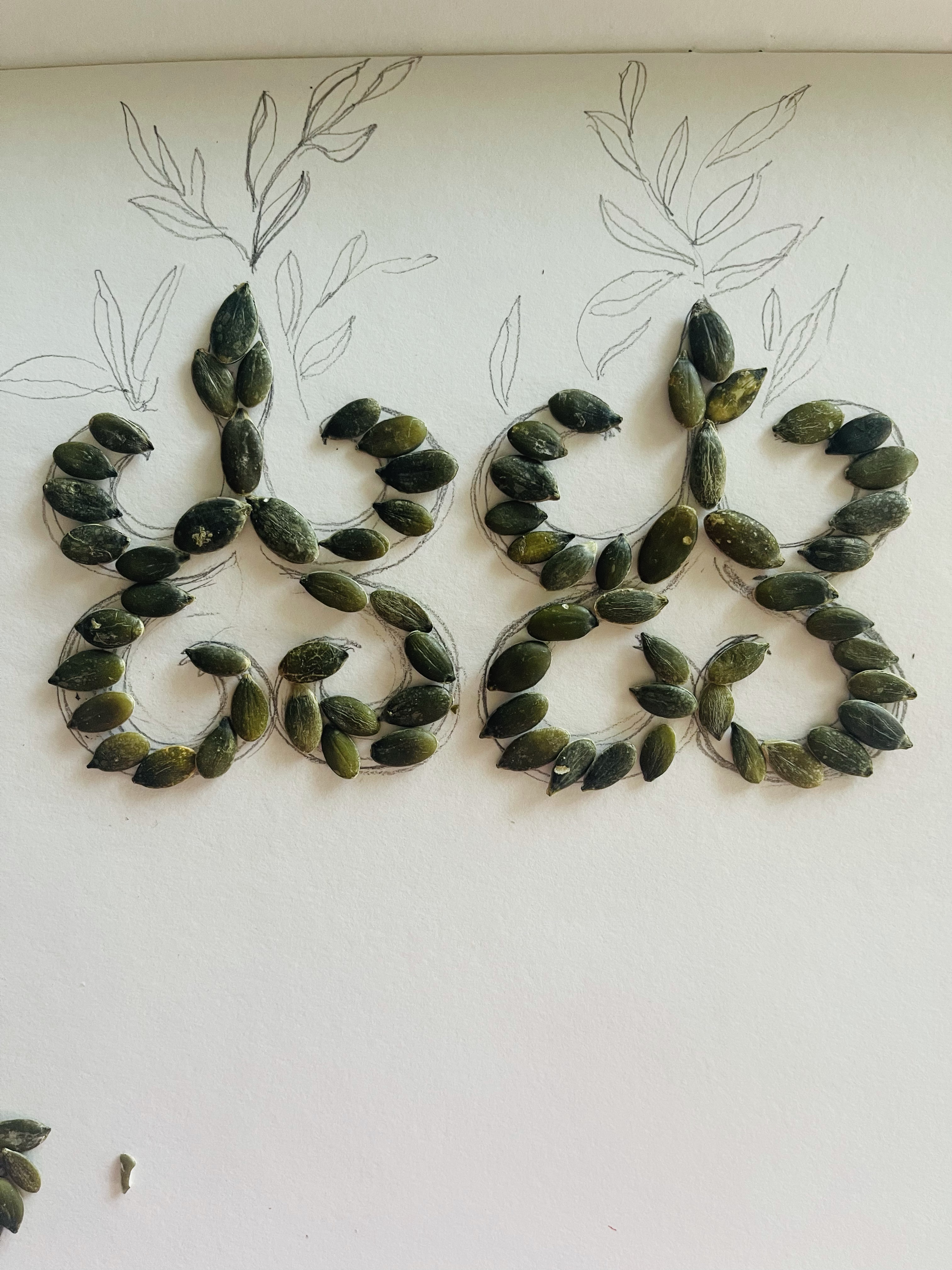
Here is the list of materials I want to use and explore: pumpkin seeds, pink peppercorns, turmeric spice, dry powdered milk;
Below you can find some outcomes and my work in process. I was very much attracted by shapes and colours of spices and seeds. I placed them on white PVC glue.

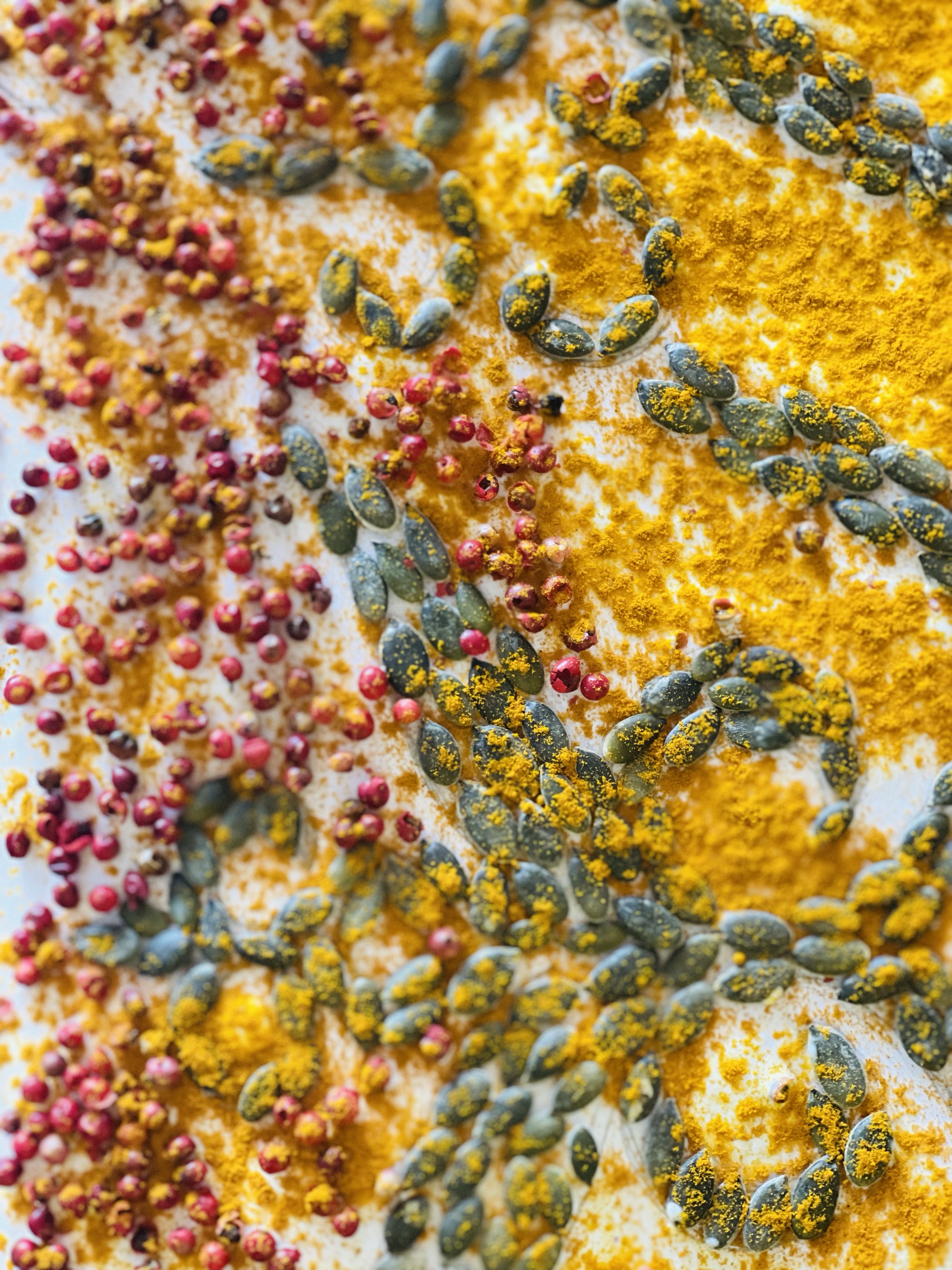


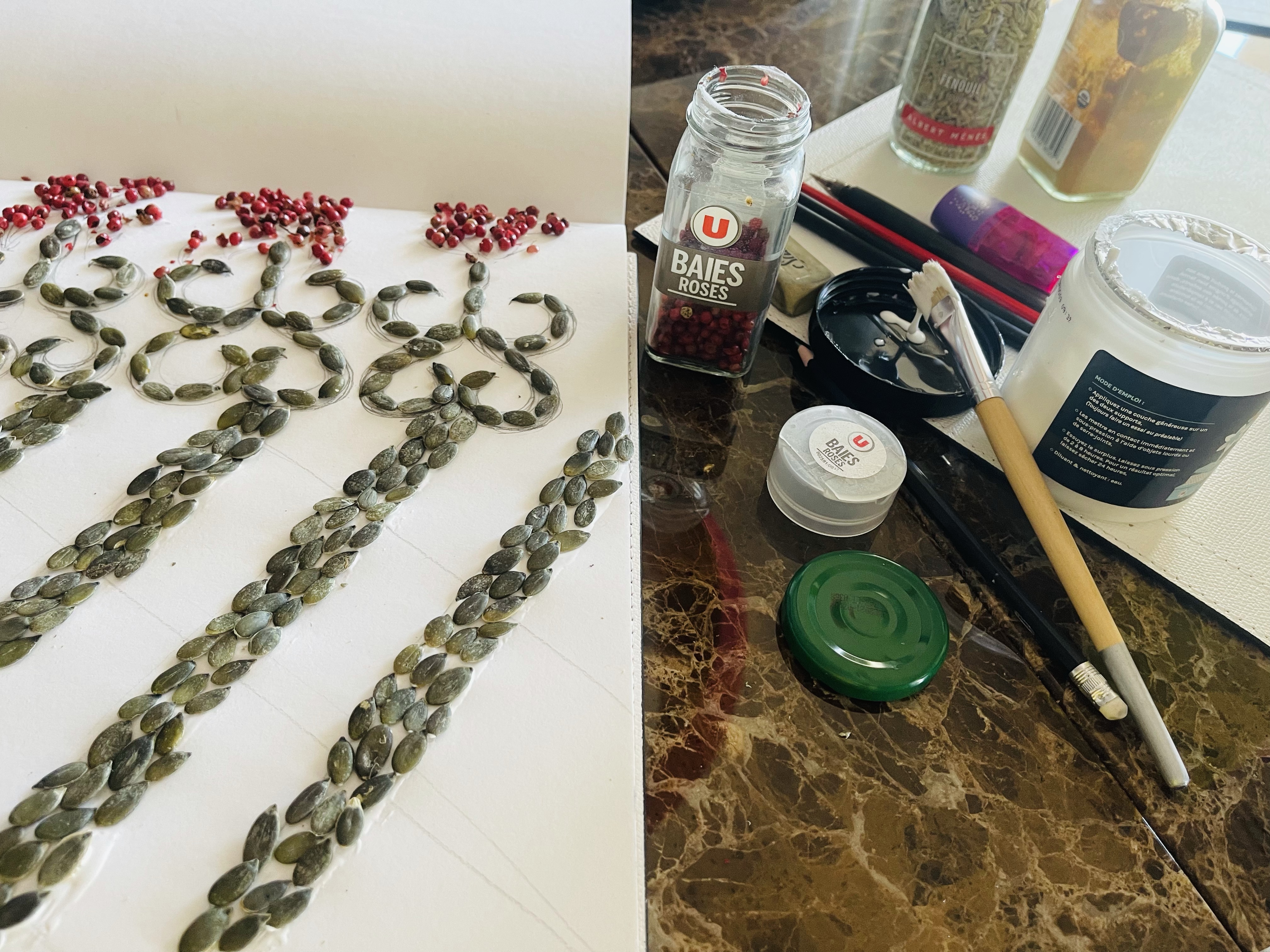


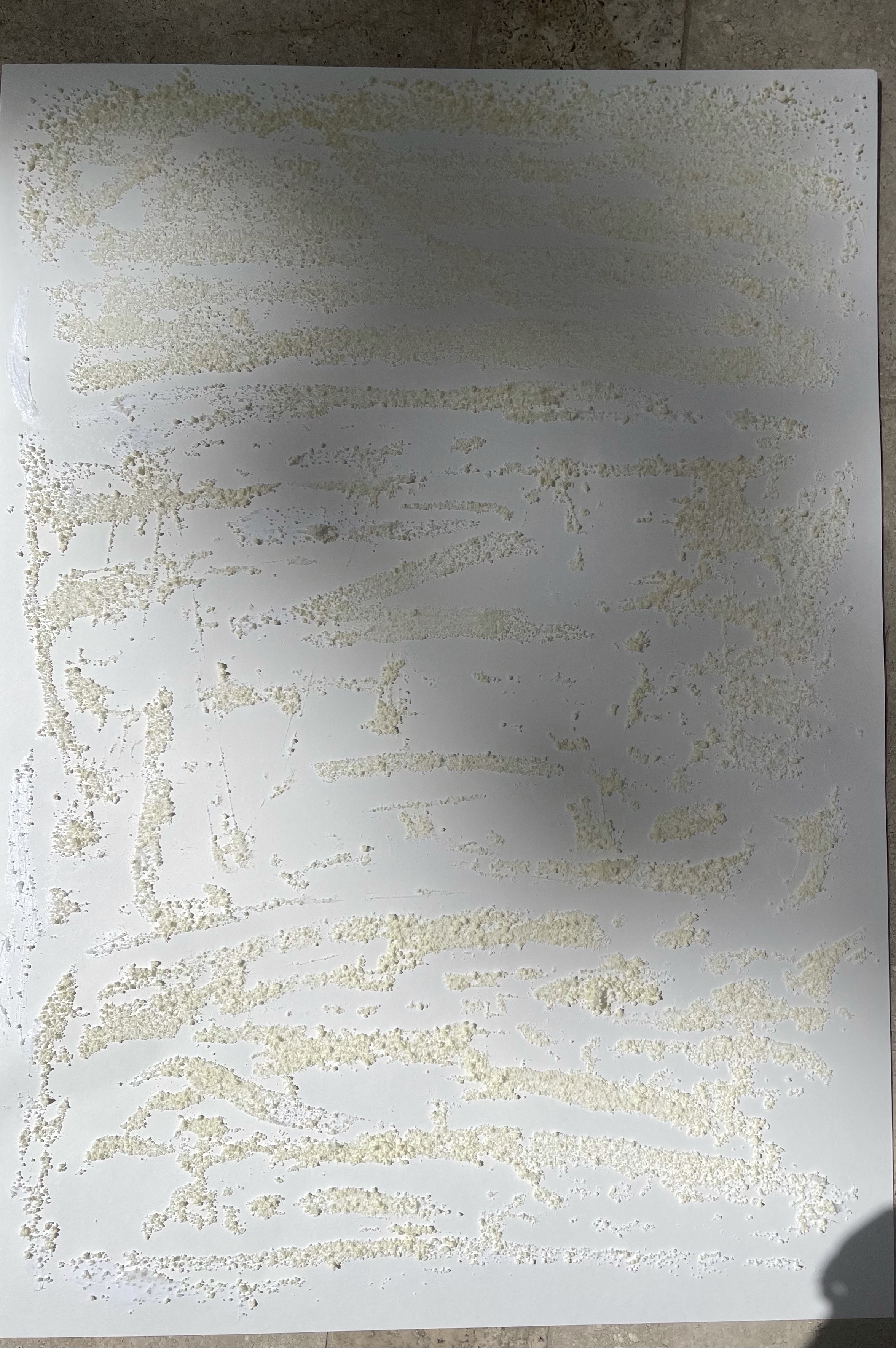

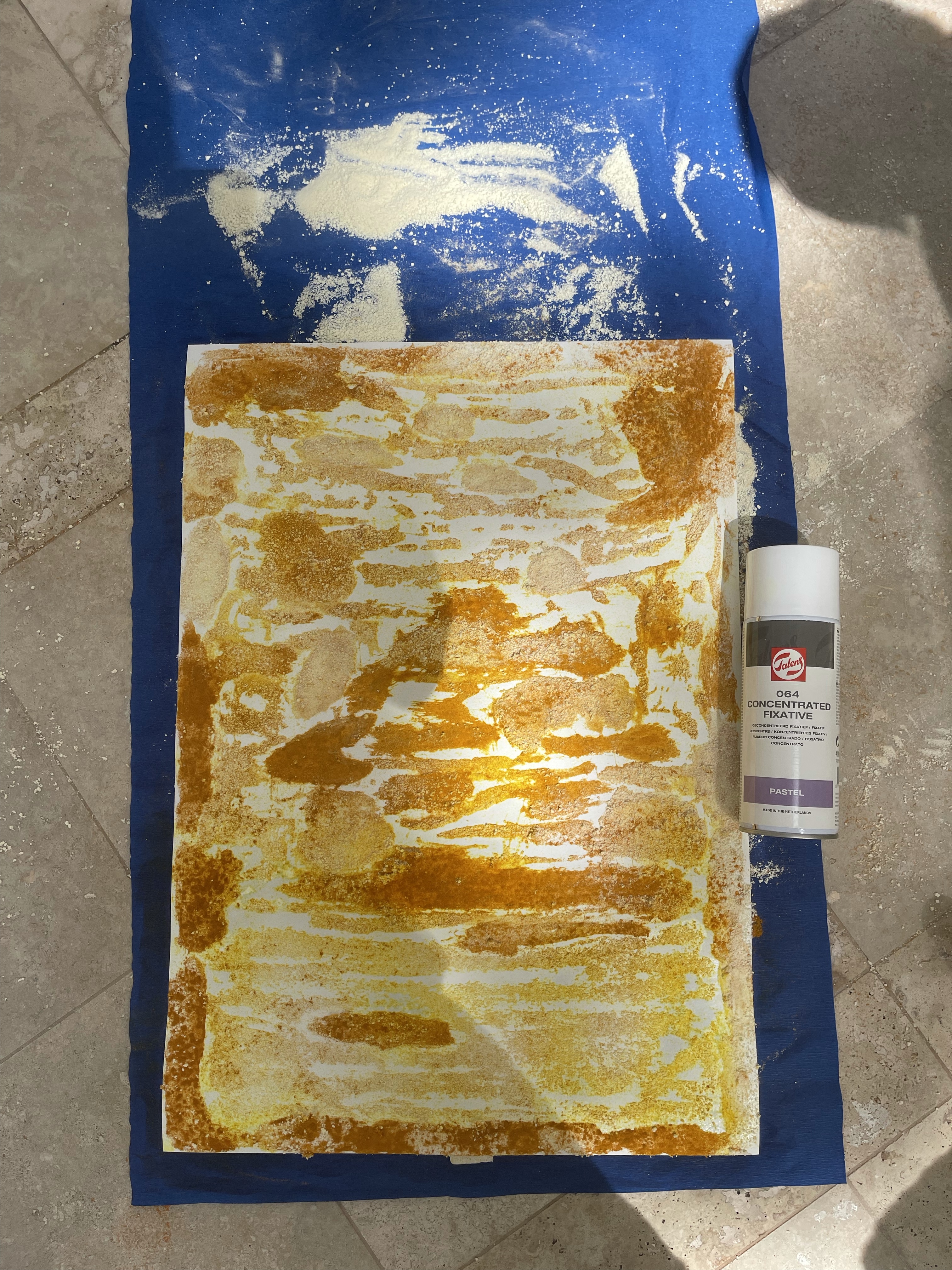
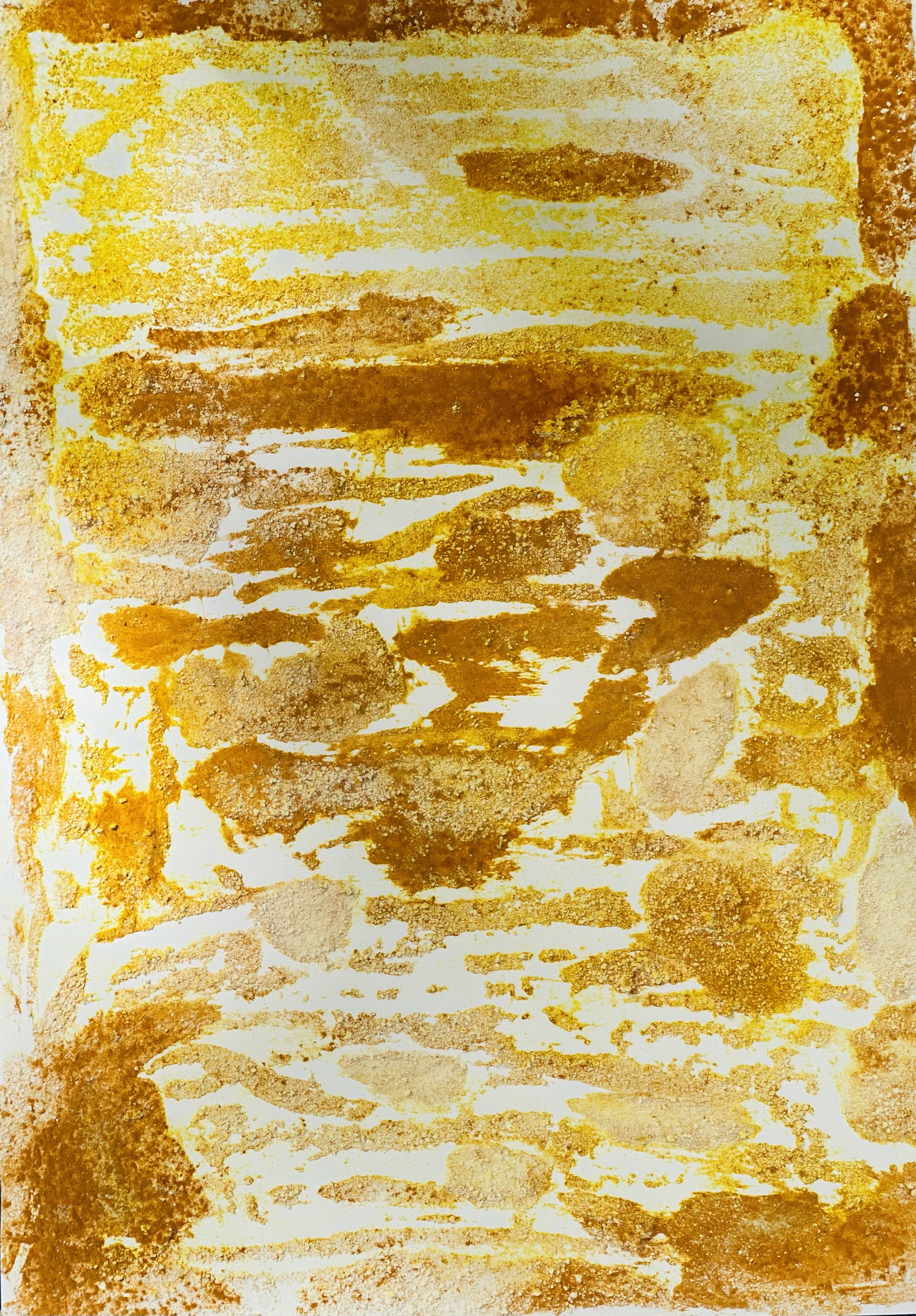




I have sprayed the surfaces above with my dry pastels fixating spray from Talens. Sprying moistened the turmeric spice and it realised the pigment on the surface, creating additional interesting effects.



My another trial of unconventional approach to painting, without using a normal canvas and paints. I decided to investigate how I can make some forms, follow a sculptural approach. I worked with paper, scissors and a glue stick. Below are some photos of work in progress.

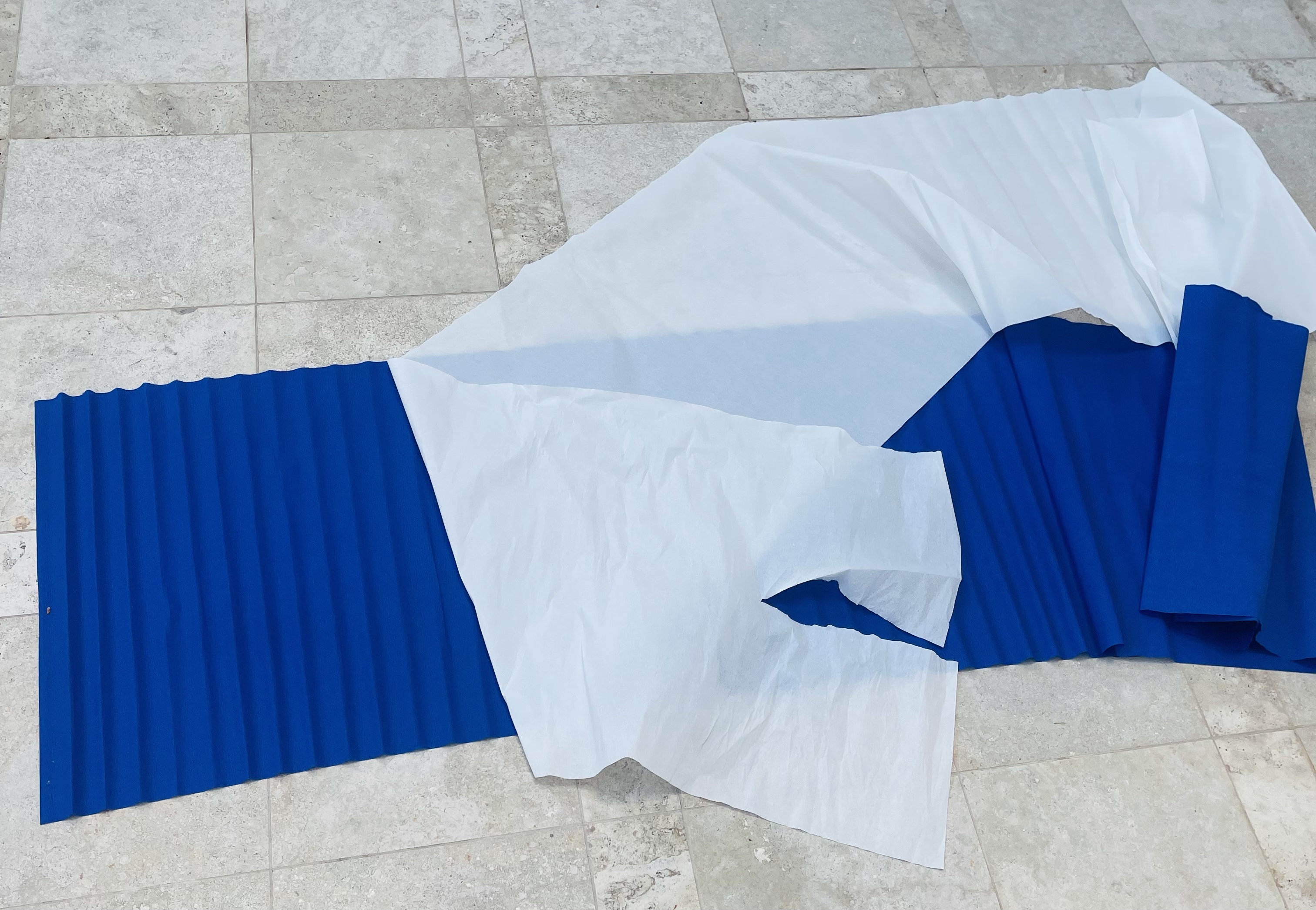
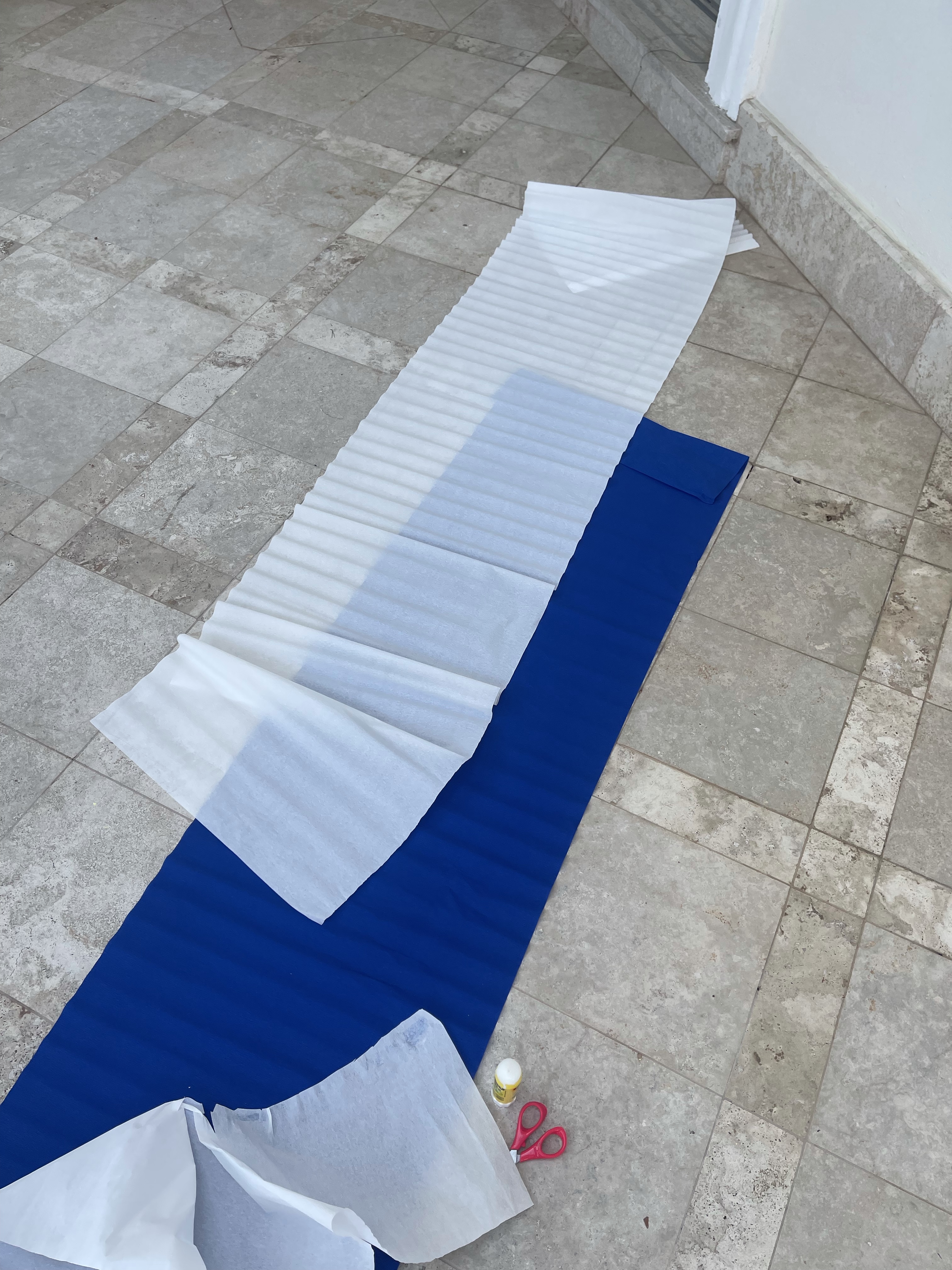
This process of thinking and using unconventional painting materials appeared as truly creative: when I unfolded the paper I don’t know with what I will end up eventually. It was a pure artistic flow, because the outcome was my immersive installation, please, check the video file.
Below I put the photos of my work in progress. The piece came out as very versatile and I like it a lot. It could be seen as a rolling path on the floor, or as a round sculpture. I hanged it on the wall and it looked different again and again.

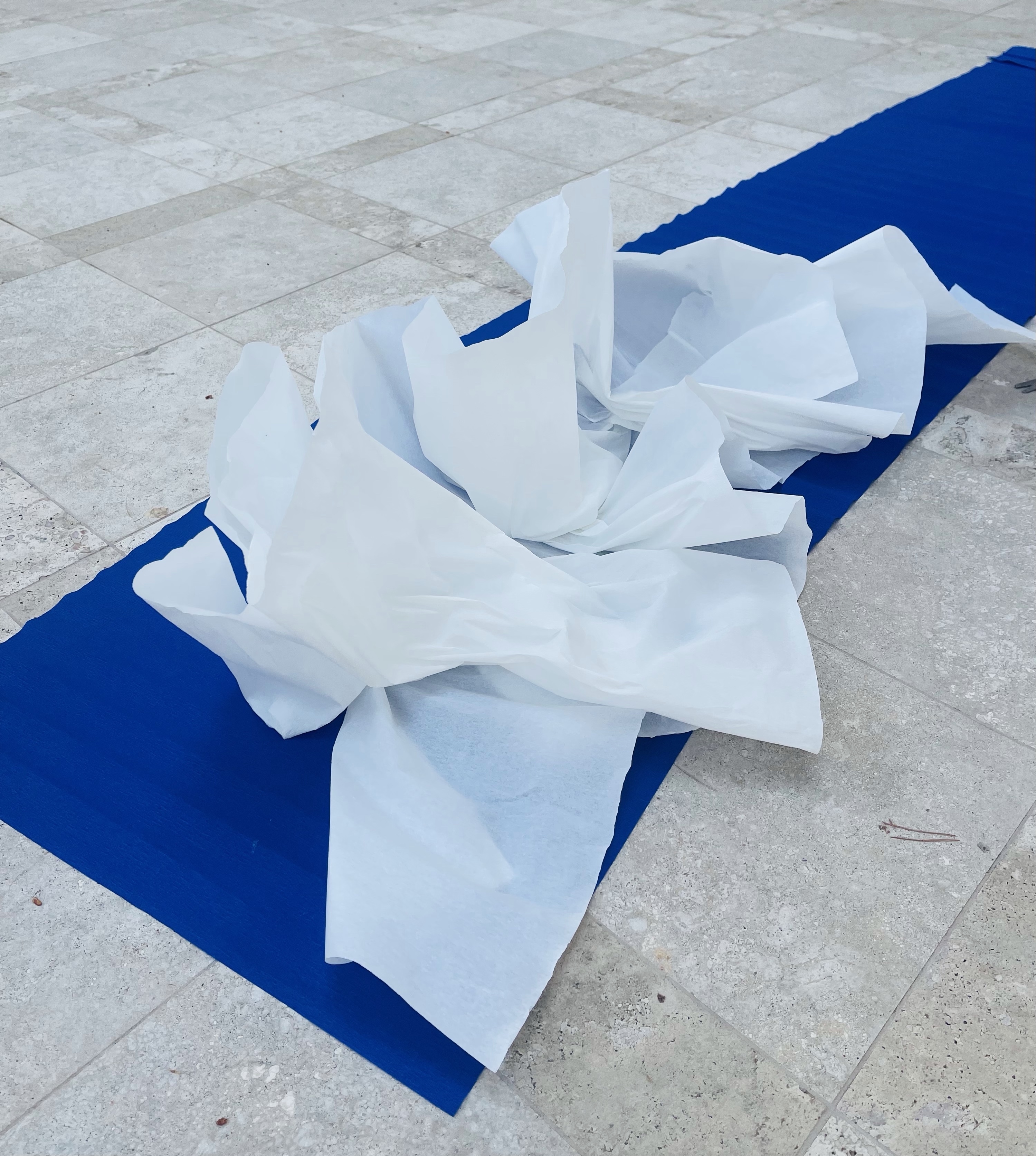
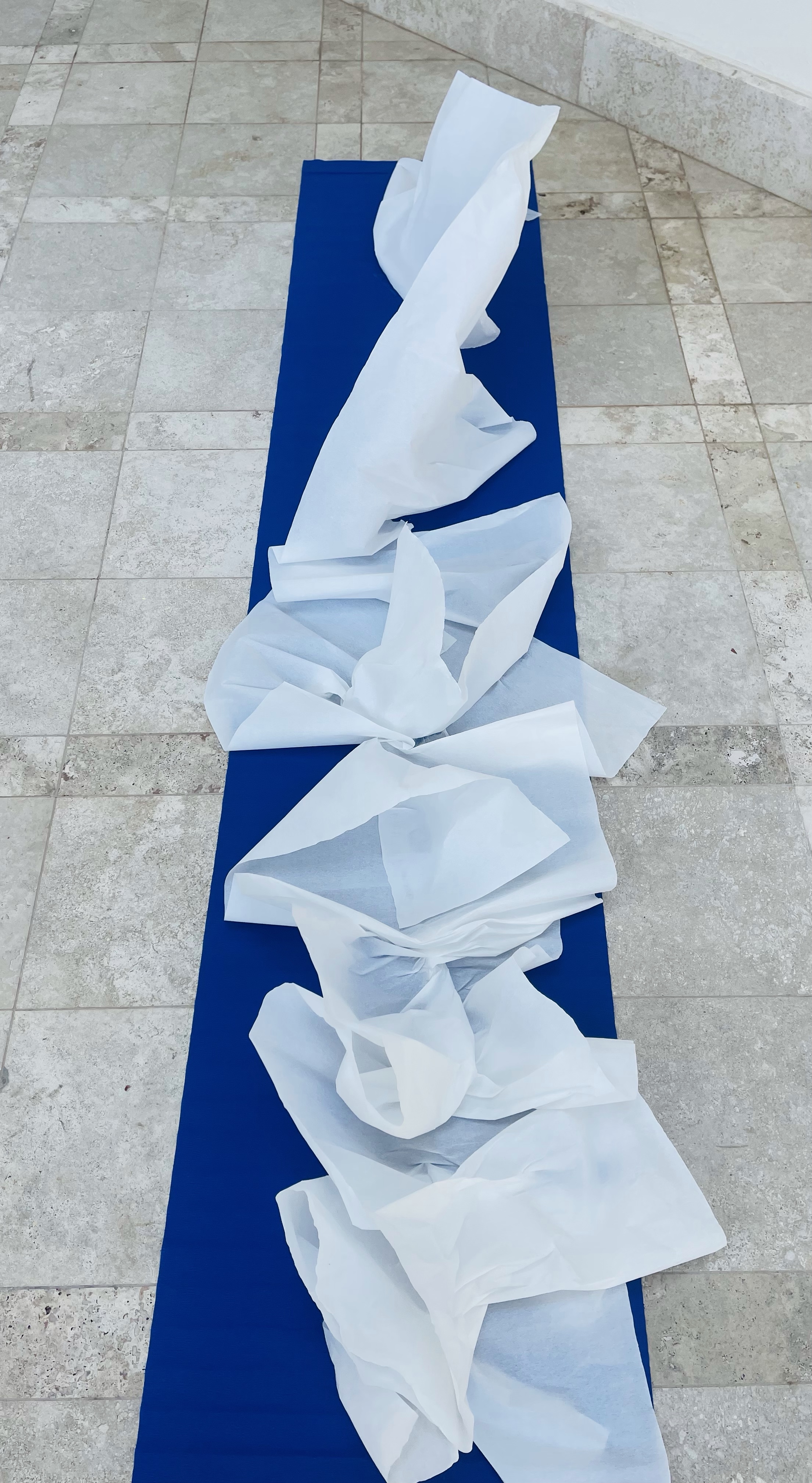

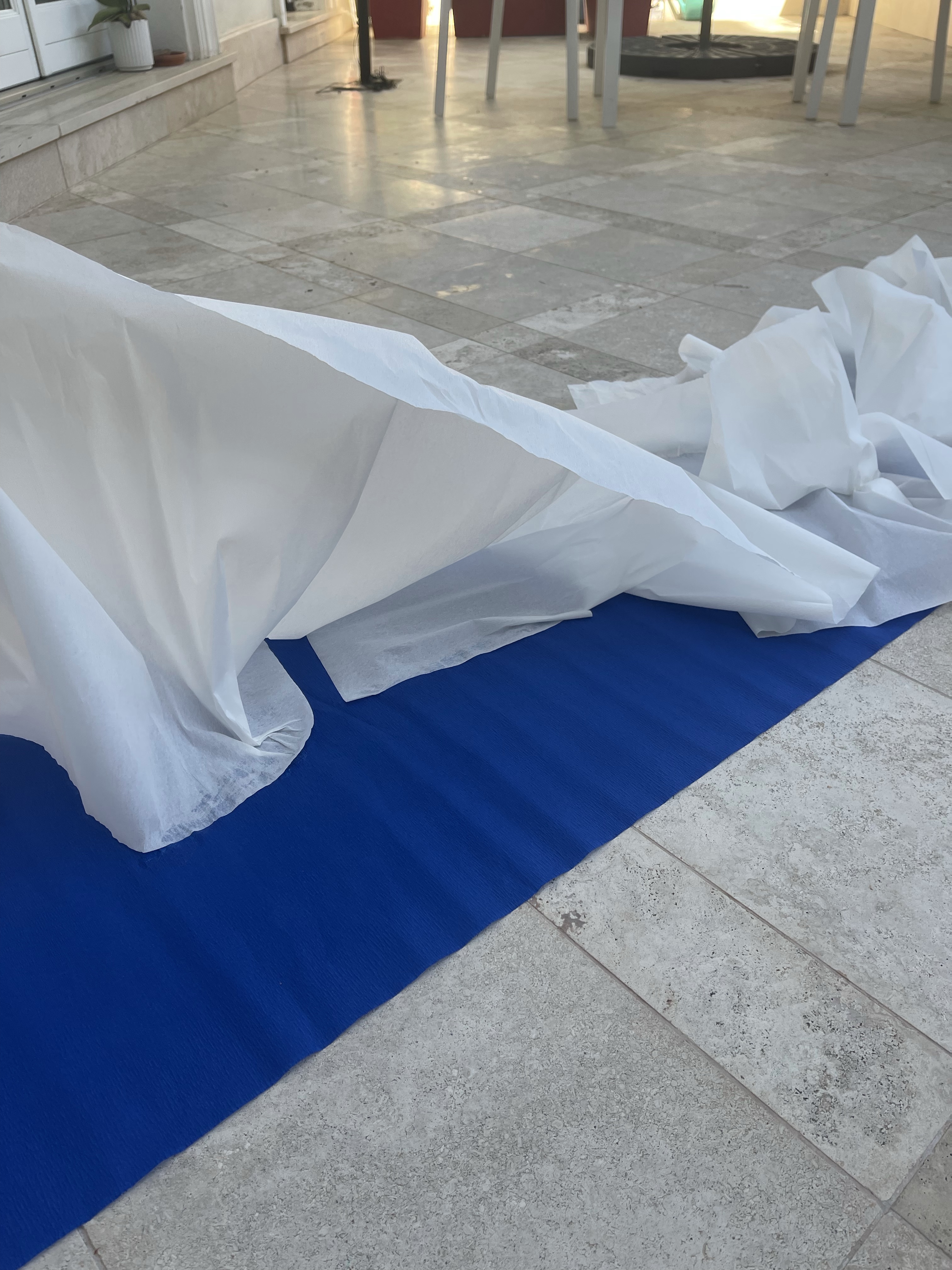
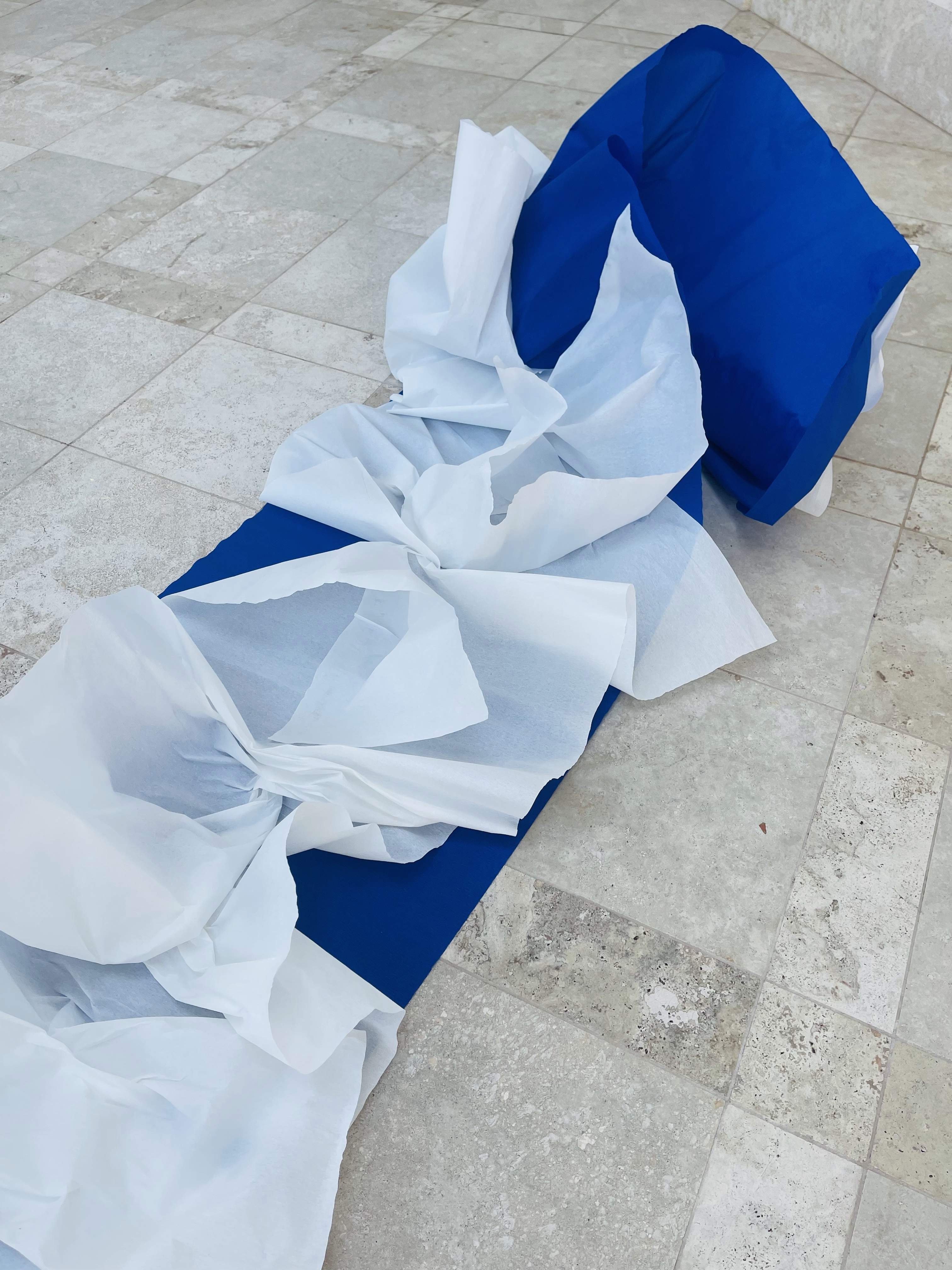
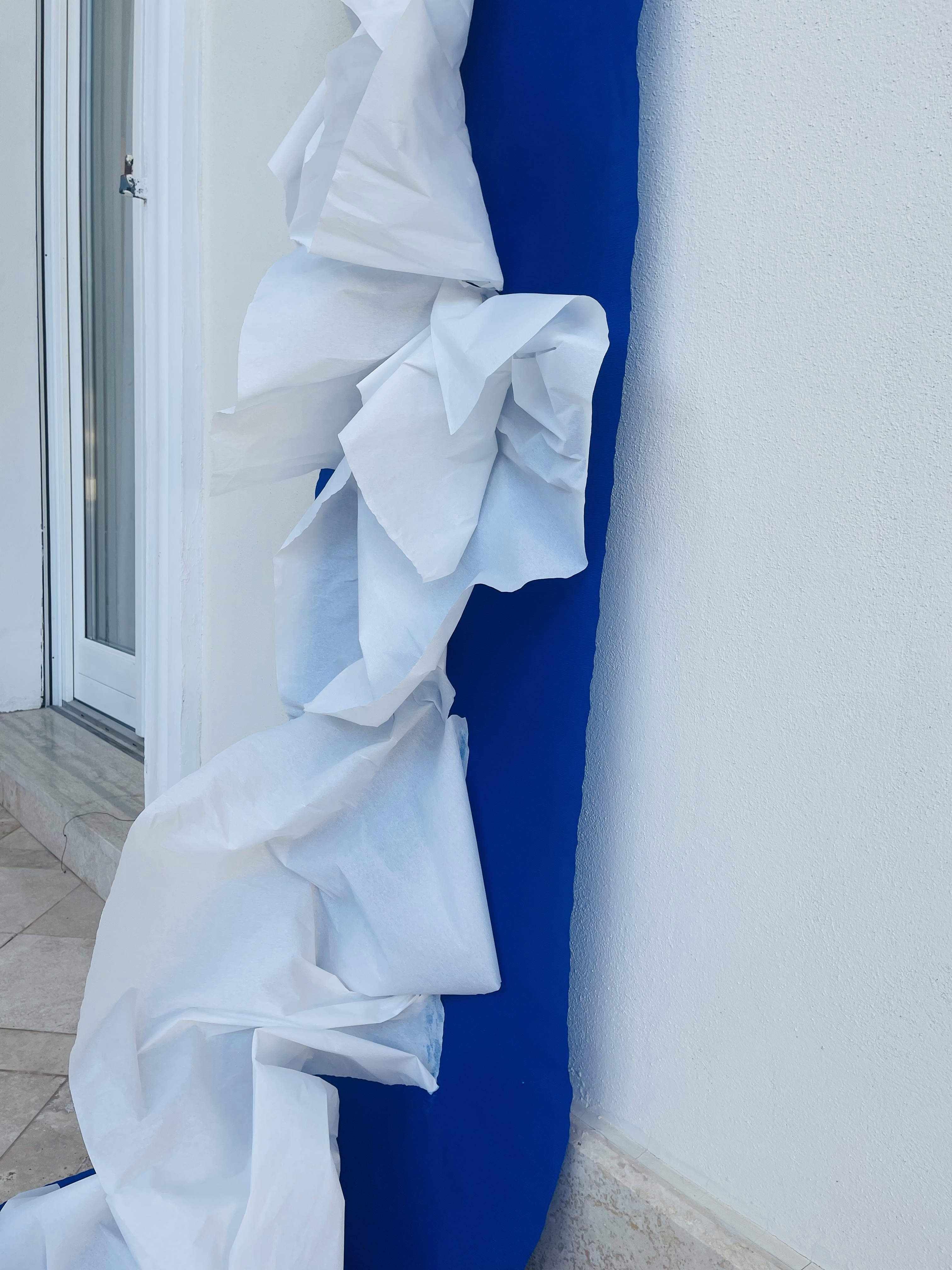
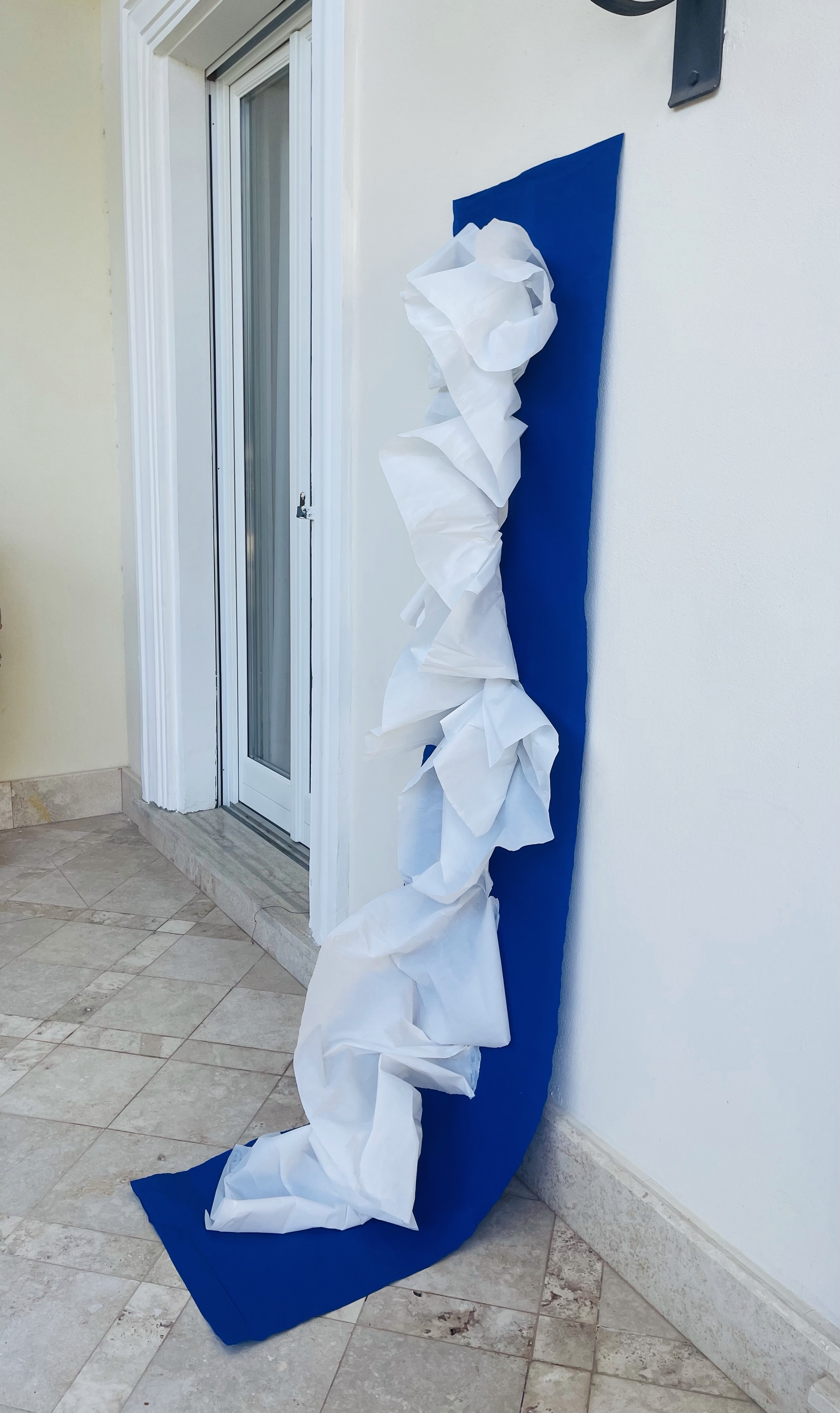
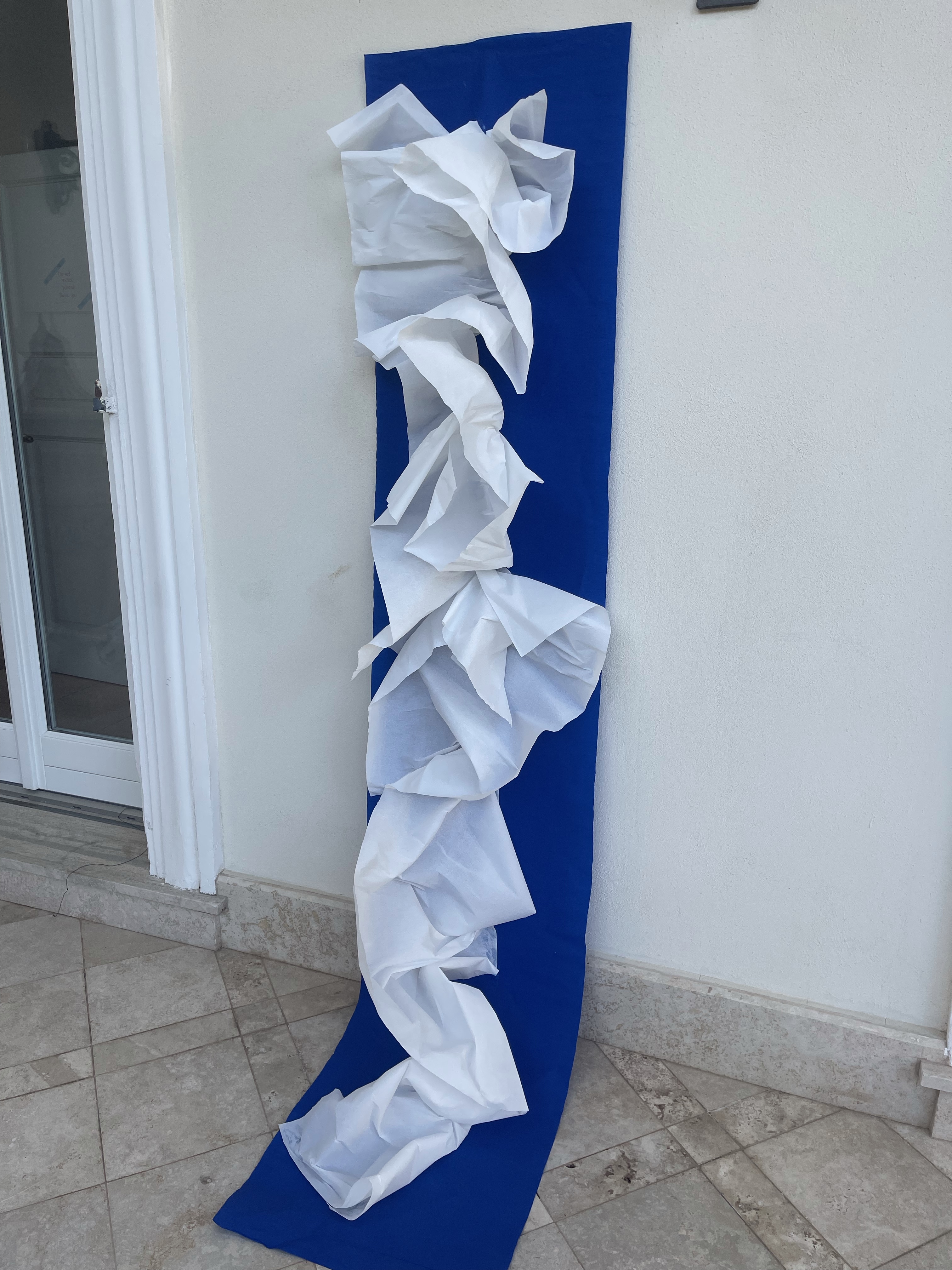

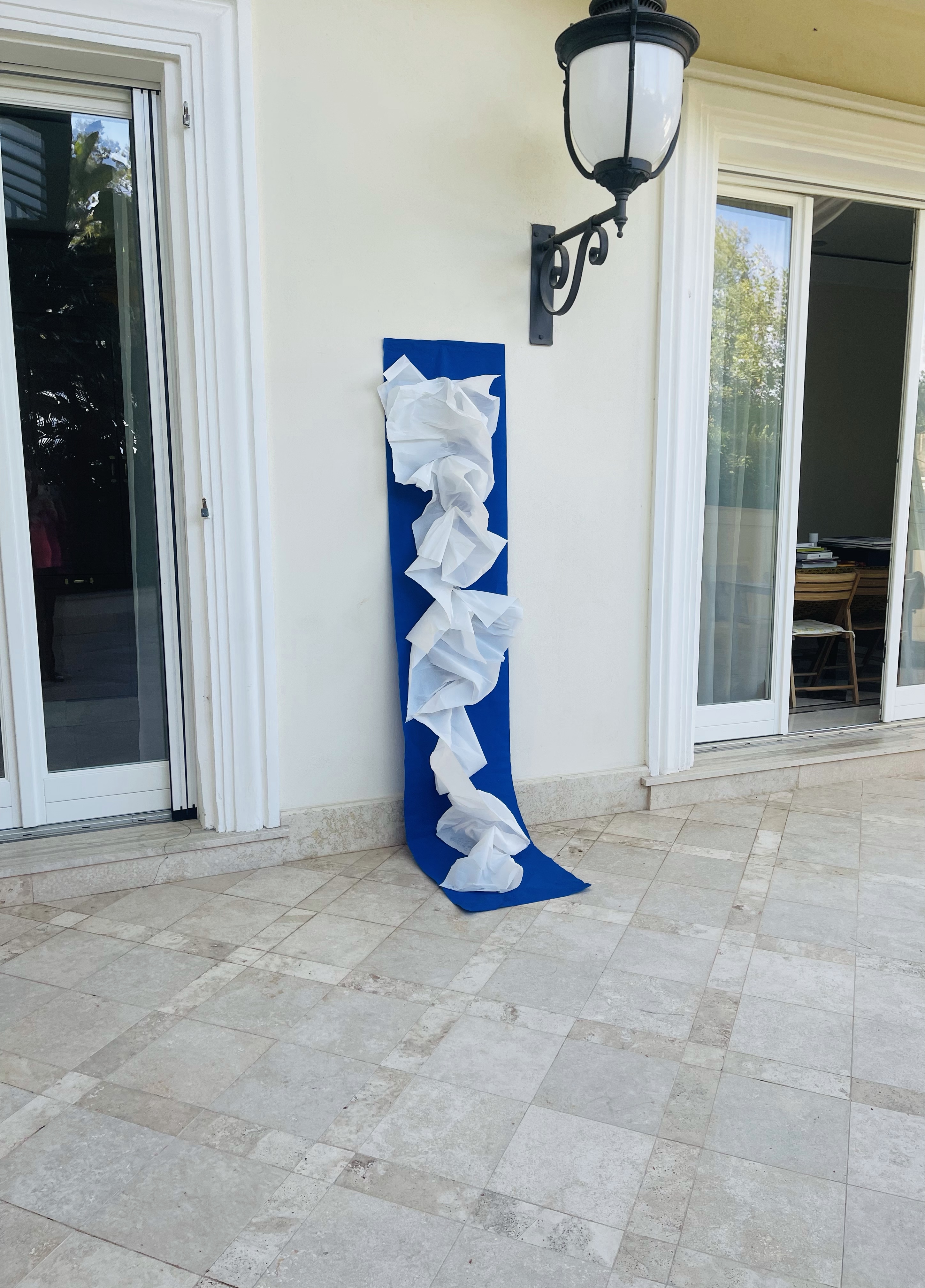
The wall option was attractive also because of the wind, which moved the thin paper.
Link 37. Rashid Johnson: “Rashid Johnson: Magic Numbers”, Lilly Wei, 14.08.2014, online on http://www.studiointernational.com, [accessed on April 19, 2022];
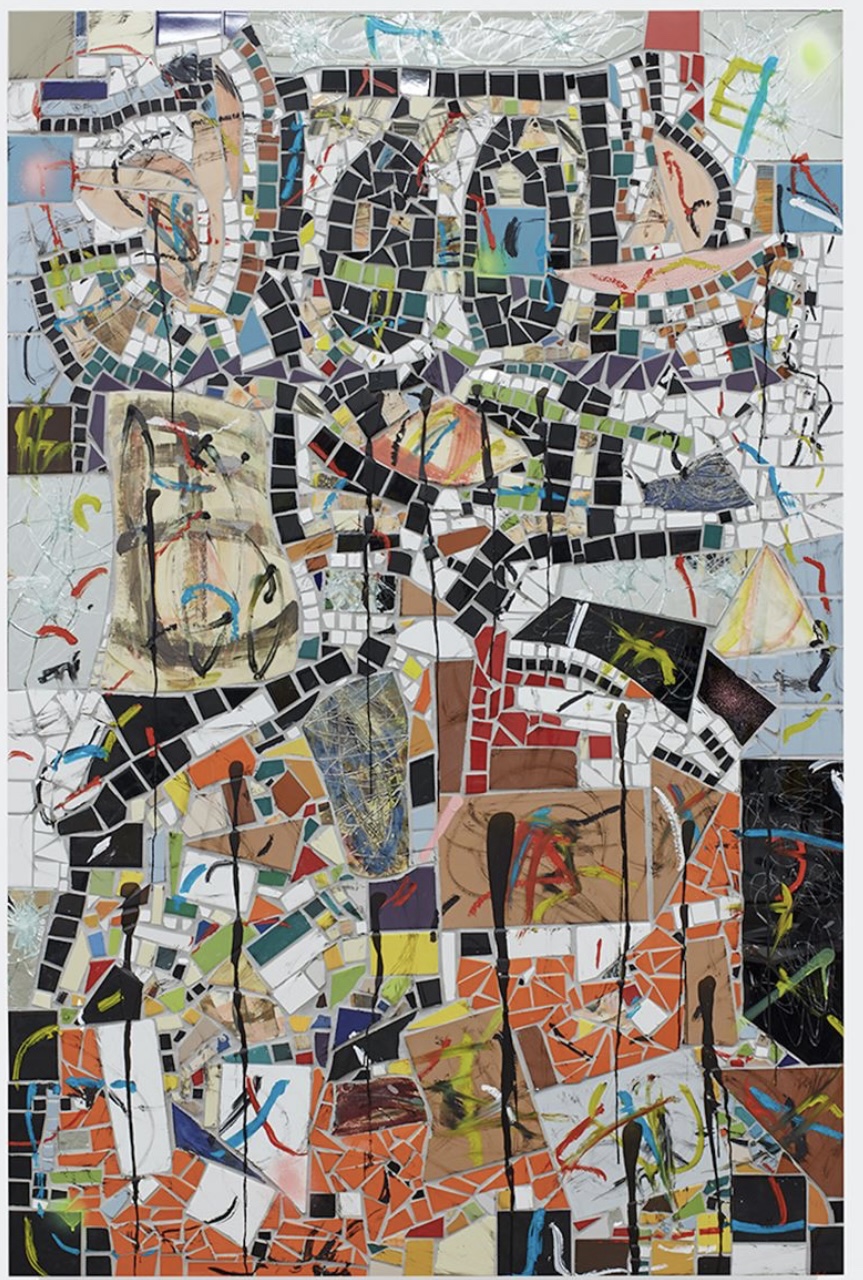
Below I put some of R.Johnson’s artworks he made using unconventional mediums such as wax, black soap. From left to right: a) “Portrait of a Broken Man”, 2019, Ceramic tile, mirror tile, spray enamel, bronze, oil stick, black soap, and wax, image Courtesy David Kordansky Gallery, Los Angeles, image from http://www.ocula.com; b) “Untitled Escape Collage”, 2017, Ceramic tile, mirror tile, branded red oak flooring, vinyl, spray enamel, oil stick, black soap, and wax, image Courtesy David Kordansky Gallery, Los Angeles. Photo: Martin Parsekian, image via http://www.ocula.com;

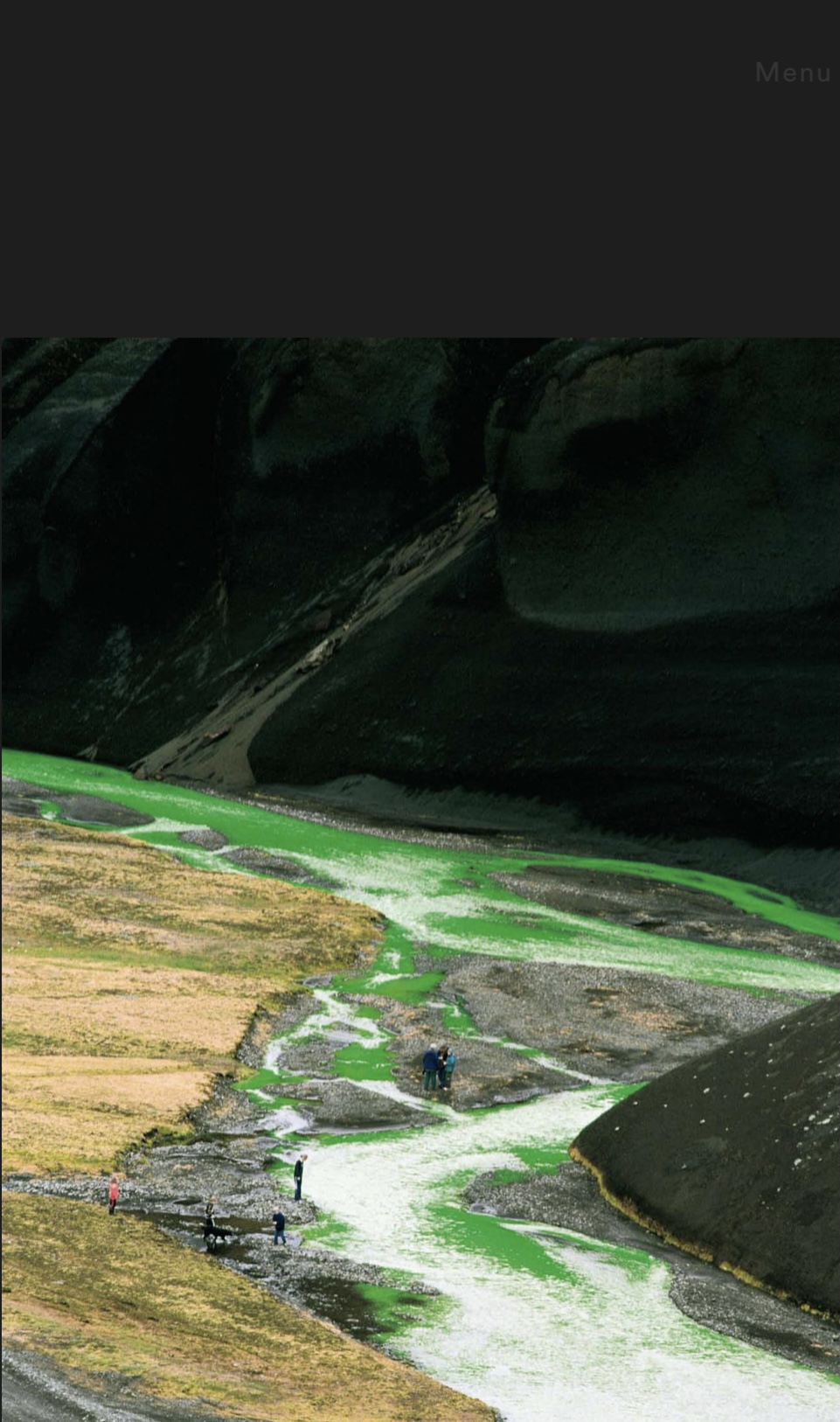
Research Point 3. Olafur Eliasson, “Green River” project;
Olafur Eliasson ( 1967-)
Olafur Eliasson is an Icelandic- Danish visual artists, known forms large scale sculptured installations, employing elemental materials such as water, light and art of different temperature. He represented Denmark in Venice, 50th Bienalle in 2003 with his famous The Weather Project, which was highly rated contemporary artwork. He is based in Berlin, Germany. His “The Green River” project was carried out by him in various cities from 1998 to 2001.
Here is a quote of Olafur Eliasson about the “Green River” project, describing it on his website http://www.olafureliasson.net [accessed on April 19, 202]: “Each time I have made Green river, I have been struck by the power of the simple change in colour. The vivid green of the non-toxic dye makes the water explicit as it flows past on its way to the ocean, where it disperses and is carried around the globe. This act of dying a river green has been used by others for a number of reasons – by scientists tracing water currents, by the city of Chicago to celebrate St. Patrick’s Day, and by activist organisations like Extinction Rebellion, to name a few. In the art context, the Argentine artist Nicolás García Uriburu dyed the Grand Canal in Venice green in 1968, a work that I learned about after I had created the first Green river intervention. I hope that Green river acknowledges our entanglement in all the constantly changing, yet overlooked, agencies that make up our natural-cultural environment.”
Below I post photos of Olafur Eliasson’s The Green River Project around the world, from left to right: 1) “Green River’, 1998, The Northern Fjallabak Route, Iceland, 1998, photo Olafur Eliasson, image via http://www.olafureliasson.net; 2) “Green River”, 1998, Moss, Norway, photo Olafur Eliasson; image via http://www.olafureliasson.net; 3) “Green River”, 1998, Moss, Norway, photo Olafur Eliasson, image via http://www.olafureliasson.net; 4) “Green River”, 1998, Tokyo, 2001, photo Olafur Eliasson, image via http://www.olafureliasson.net;


Bibliography: “Green River. Text”, Olaf Eliasson, online on http://www.olafeliasson.net, [accessed on April 20th, 2022]; “Olaf Eliasson. Bio.”, online on http://www.tate.org, [accessed on April 20, 2022];
Karla Black
 JeanArt