Exercise 1. Stretch, stitch, fold, crease, wrap.
In this exercise with must experiment with the texture, size, shape and condition of the canvas itself, probably even abandoning paint. We must focus on structural quality of the canvas.
In our learning log we must reflect on how these ‘canvas’ surfaces prompt you to think about the beginning of a painting; does the canvas give us a structure or compositional framework for example.
Research point 1.
Questions to reflect on: 1) relationship between the artwork and sculptural practise;2) relationship between each practice to space and vower; 3) how do we physically encounter these works; how do we move in relation to them, how do we view them?
Angela de la Cruz (1965-)
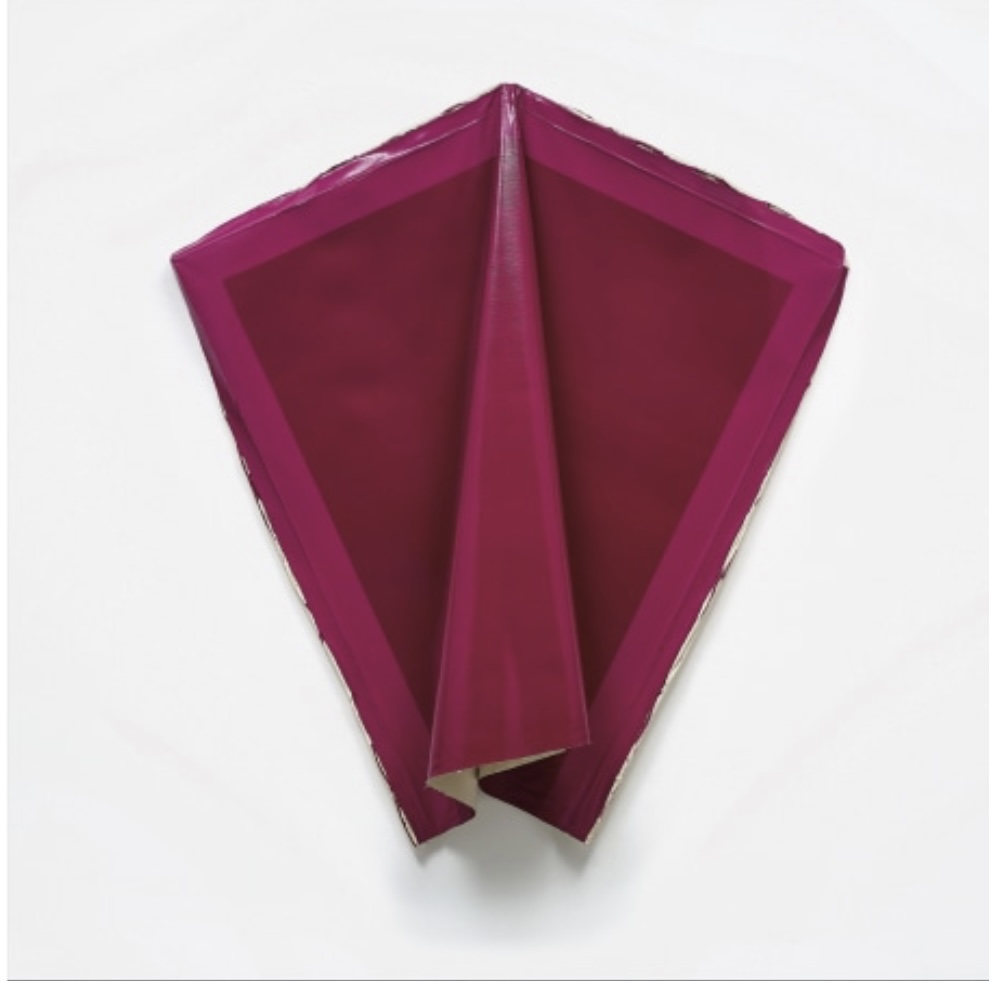
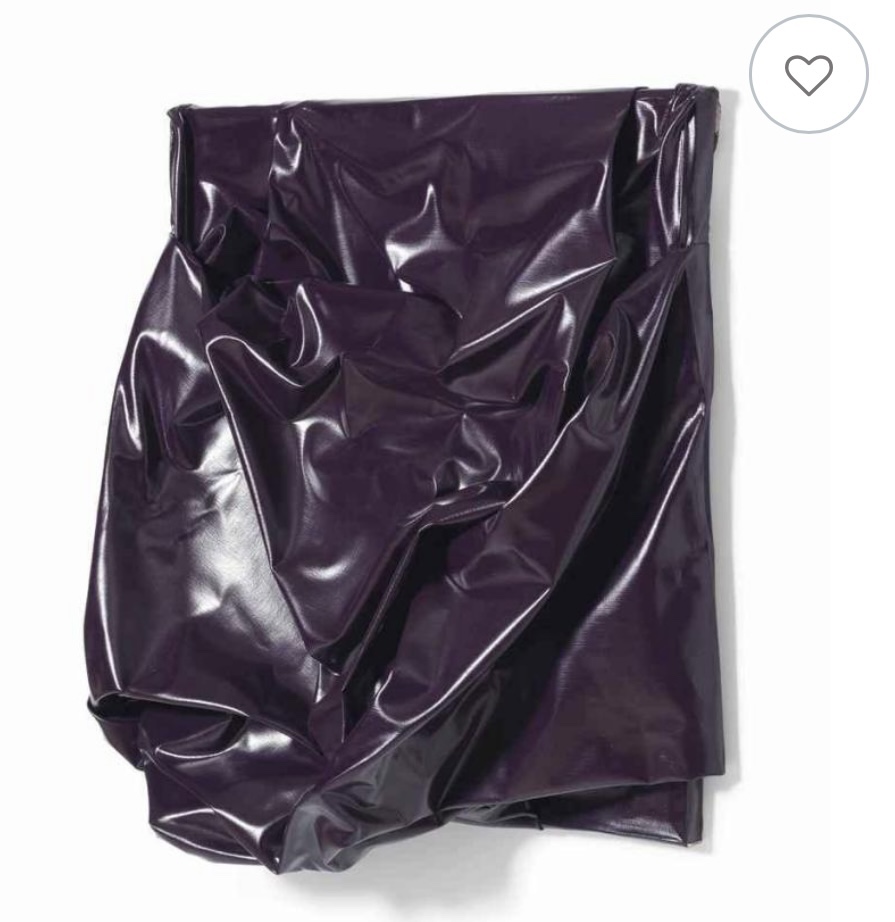
Angela de la Cruz is a Spanish visual artist, who lives and works in London. Her artworks are well described by Lisson Gallery (online http://www.lissongallery.com): “Angela de la Cruz’s practice is elegantly situated between painting and sculpture. Her work engages with the very discourse of painting by targeting its basic anatomy – the stretcher, normally left to its job of keeping the canvas smooth and pliant – often twisted and bent out of shape.” She is famous with her unconventional approach to how the canvas can be used, she cuts them through, pierces, bends and twists. She is exploring visual art, which is beyond the painting on the canvas. She received her Bachelor degree in philosophy in Spain, and received her formal fine arts education in the UK, London. Below I put some of her works, I have found especially appealing to me, from left to right: 1) ‘Deflated (Magenta)”, Angela de la Cruz, image via http://www.phillips.com; 2) “Loose Fit XXX11 ( dark purple)”, Angela de la Cruz, image via http://www.invaluable.com;
Dianna Molzan (1972-)
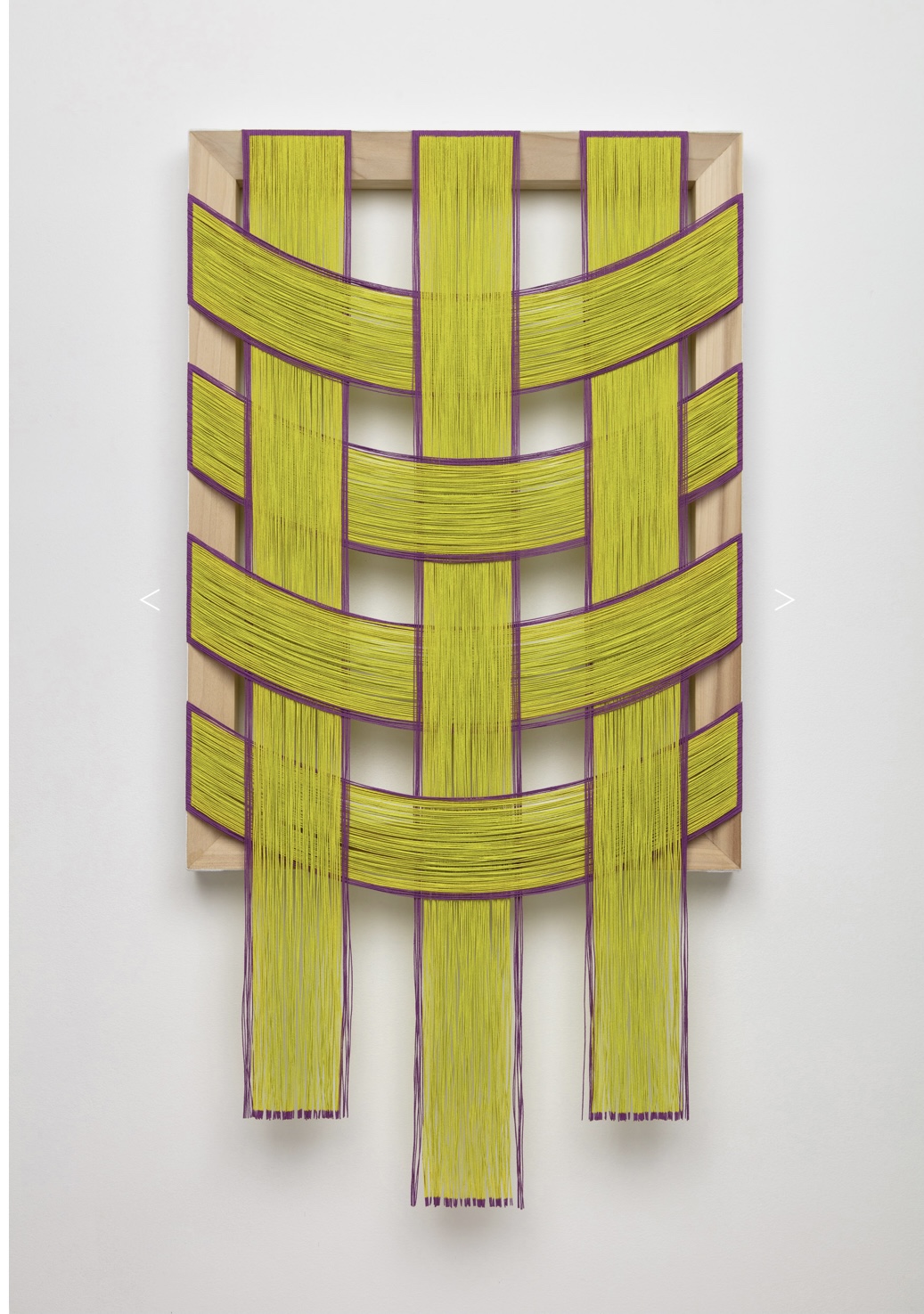
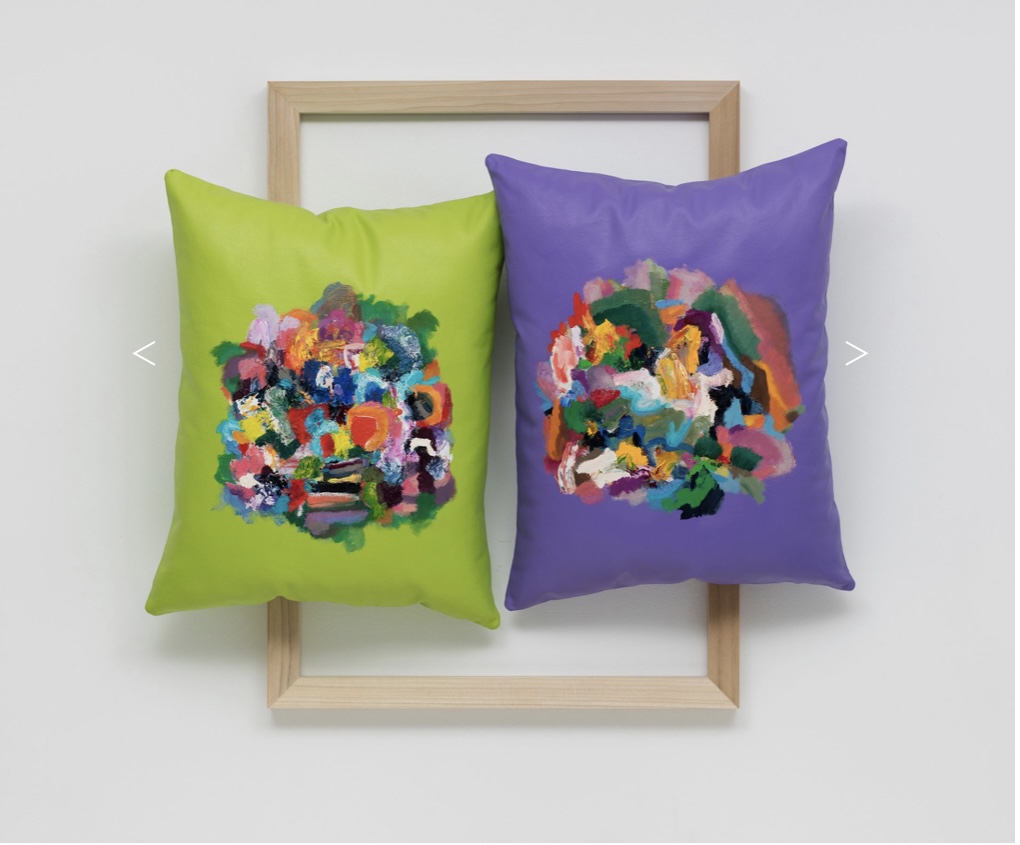
Dianna Molzan is an American visual artist. She received her formal art training in Germany, Universität der Künste Berlin in 2000, she earned her Bachelor of Fine Arts degree from the School of the Art Institute of Chicago in 2001 and her Master of Fine Arts degree from the University of Southern California in 2009. She is well known for her abstract artworks and experiments with unconventional use of canvas, mixing traditional materials with untraditional approach to space of canvas, incorporation ceramics, popular design, fashion elements. AS Katie Kitamura puts it in her article, featuring the artist (www.frieze.com, “Focus: Dianna Molzan’): “Molzan breaks the convention of the picture surface as single, uninterrupted plane.” She lives and works in Los Angeles, USA. She had a notable exhibition at the Whitney of American Art, New York in 2011. Below are her artworks, from left to right: 1) ” Untitled”, Dianna Molzan, 2020, oil on canvas on poplar, image via http://www.kaufmannrepetto.com; 2) “Untitled”, Dianna Molzan, 2017, oil on canvas with poplar, image via http://www.kaufmannrepetto.com;
Sarah Crowner (1974-)
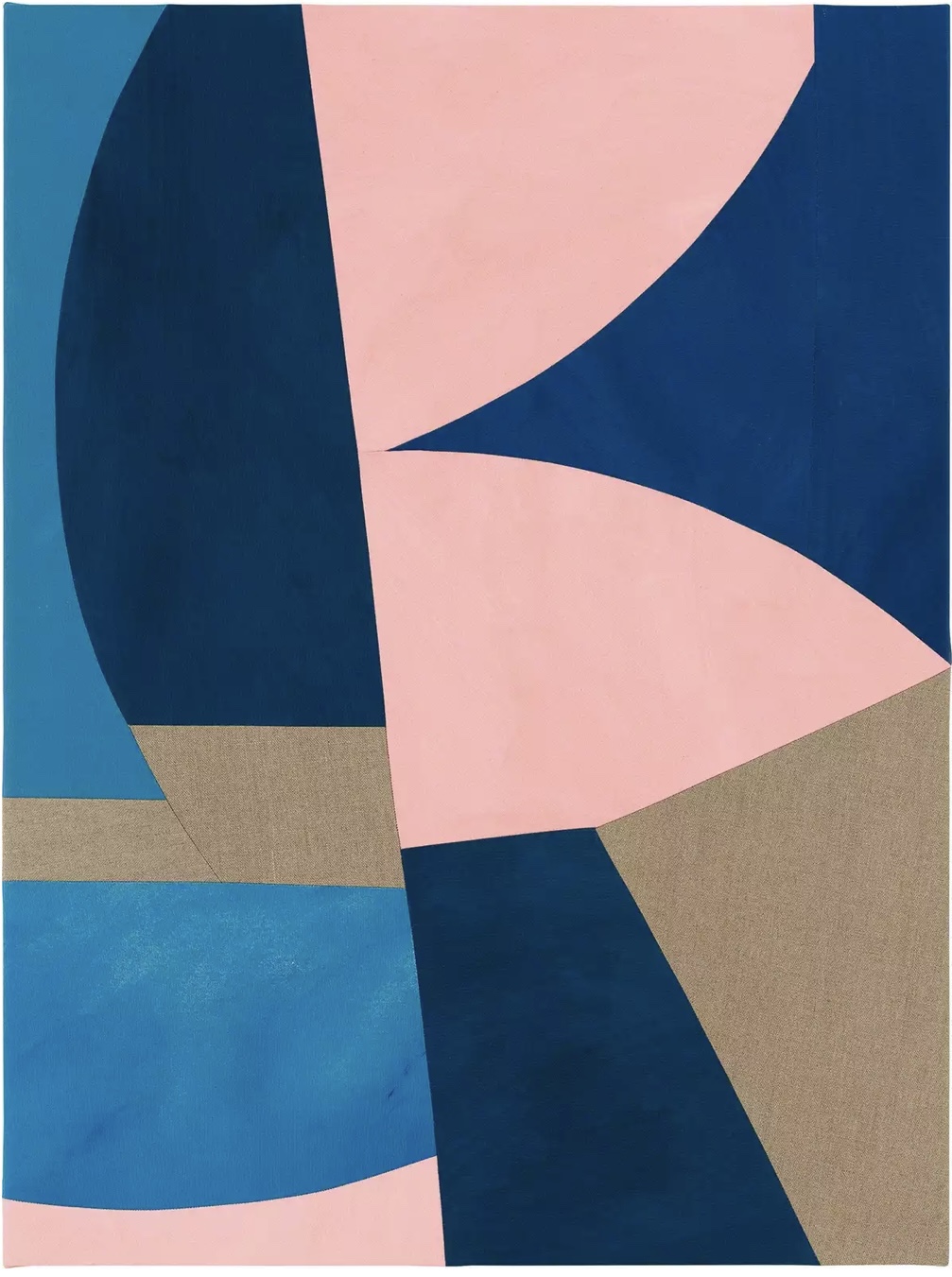
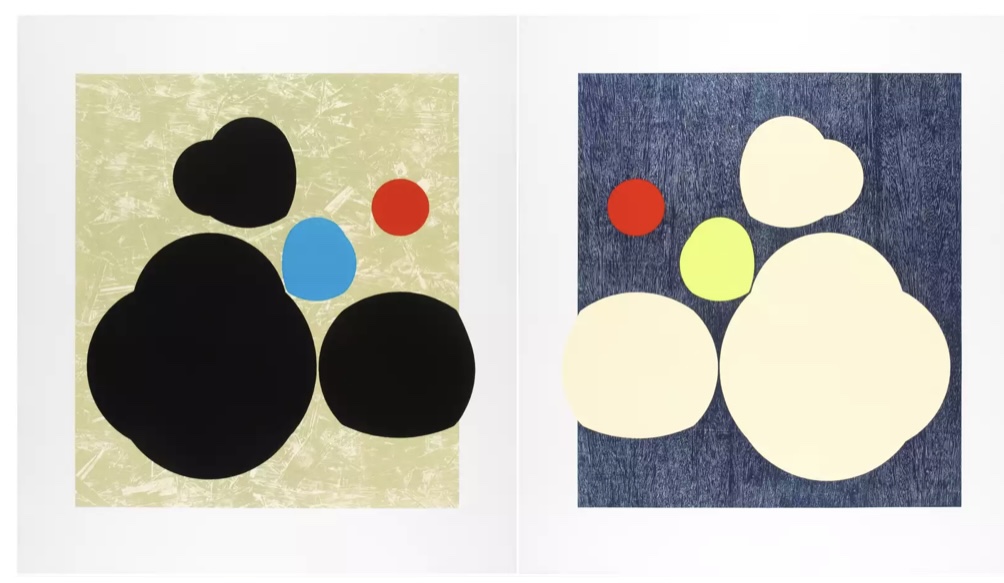
Sara Crowner is an American visual artist, born 1974 in Philadelphia, PA, USA, who ives and works in Brooklyn, NY, USA. She holds a BA degree from University of California, Santa Cruz, 1996 and a MFA degree from Hunter College City University of New York, 2002. She also attended Ecole Nationale Superieure des Beaux Arts, Paris, France, 2002. Her artworks are well described by Simon Lee on his website http://www.simonleegallery.com, in his article featuring Sarah Crowner: “Sarah Crowner’s diverse practice ranges from paintings and ceramics to sculpture and theatre curtains. Her bold and colourful paintings and tile works incorporate forms found in architecture, nature, and in the history of twentieth-century art and design. Her stitched paintings are created by using an industrial sewing machine to sew painted and raw irregular panels of canvas together, simultaneously revealing the painting’s composition and construction. Sections are painted in saturated primary colours to imply a form, a presence, a possibility. The stitched seams remain visible, like plant veins or arteries, reflecting her interest in systems and patterns, production and reproduction, in culture and nature.” She is famous with her abstract artworks and her technique: cutting out repainted geometric forms and collaging them. This technique emerges as a result of her “disappointment with the medium’.
Below I put some of her artworks, which I found inspiring, from left to right. 1)”Untitled’, Sara Crowner, 2018, acrylic on sewn canvas, image via http://www.artsy.net; 2) “Untitled (Spotlights)”, Sara Crowner, 2013, lithography, Relief & Screenprinting, image via http://www.artsy.net;
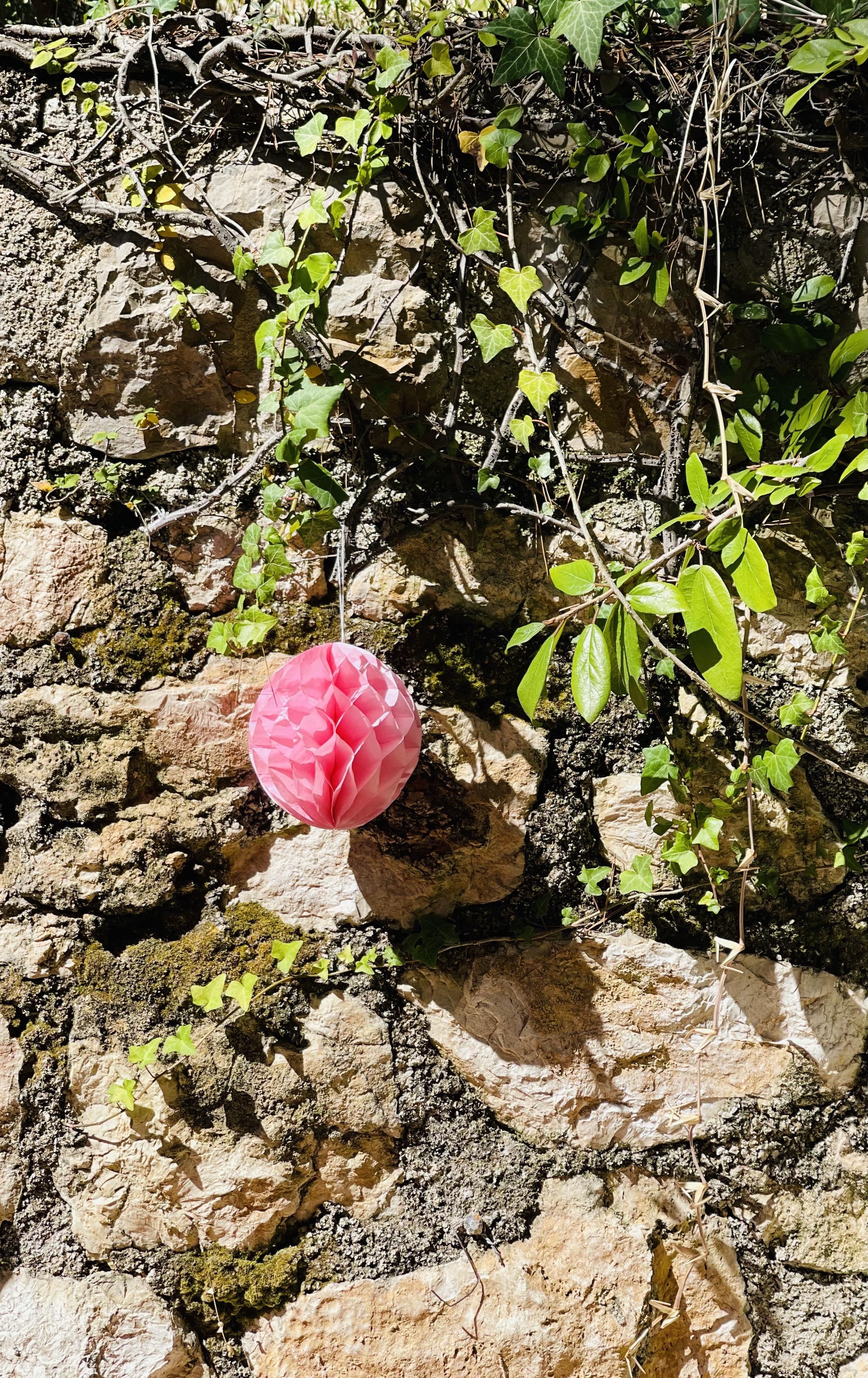
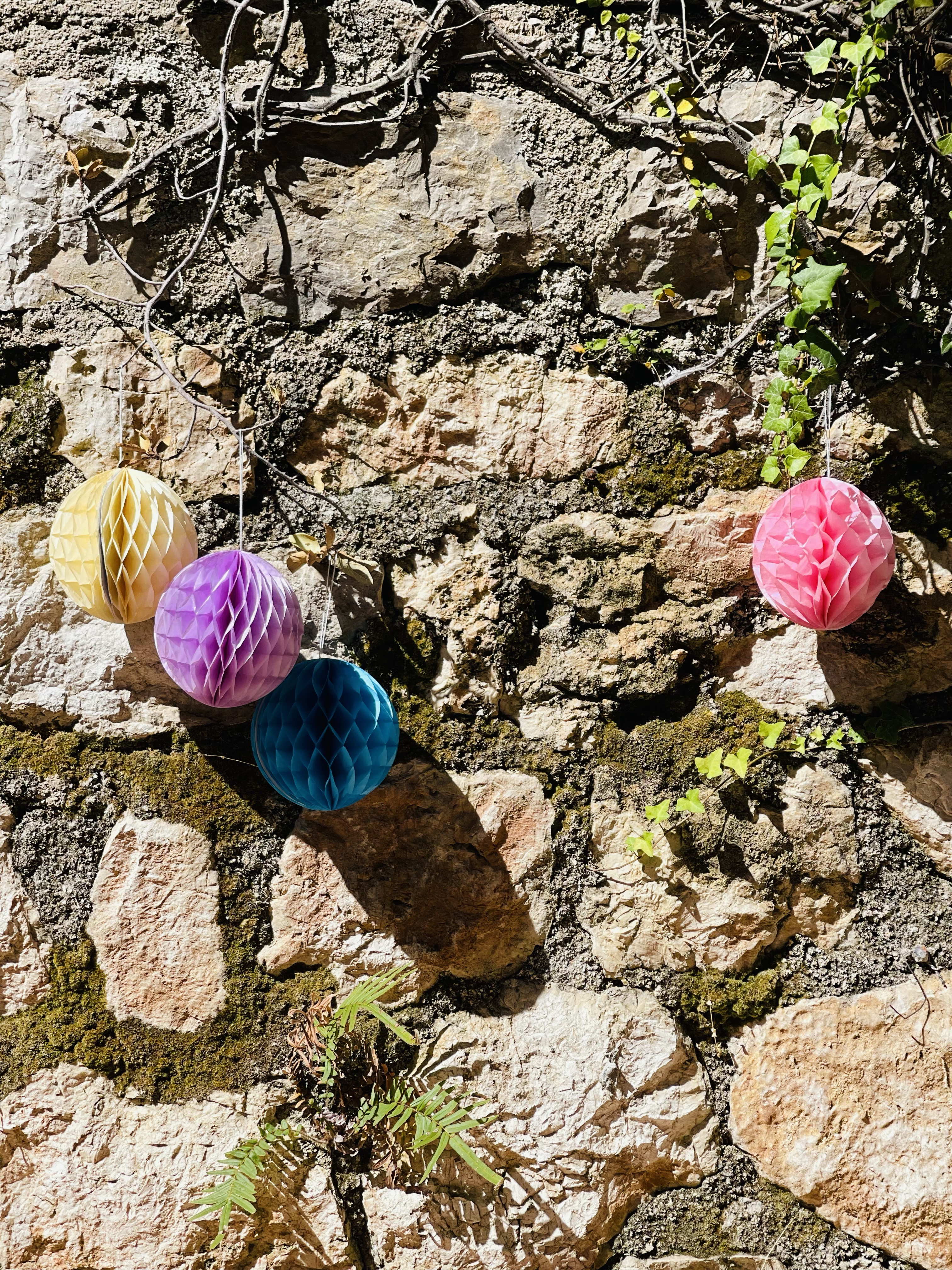
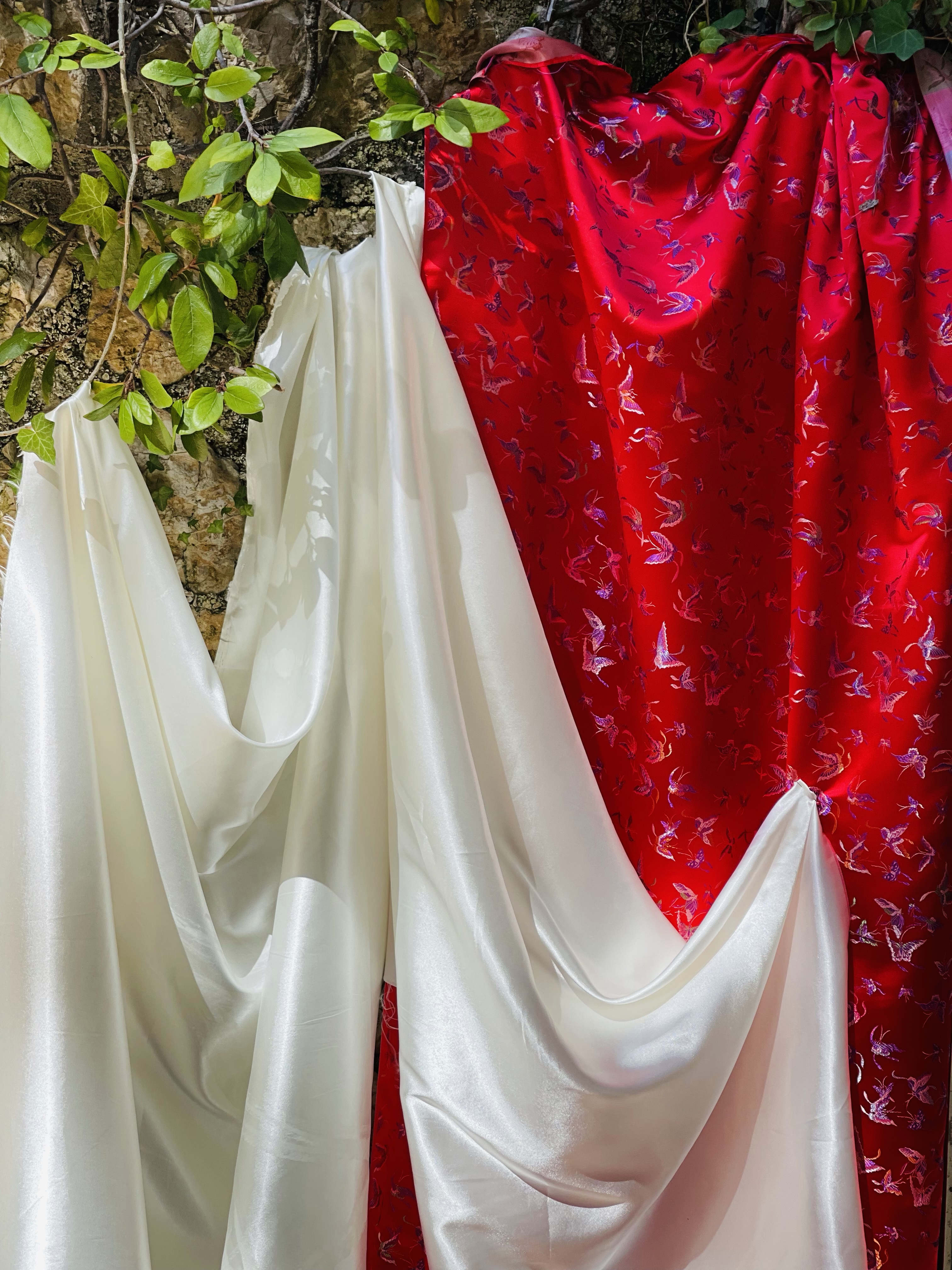
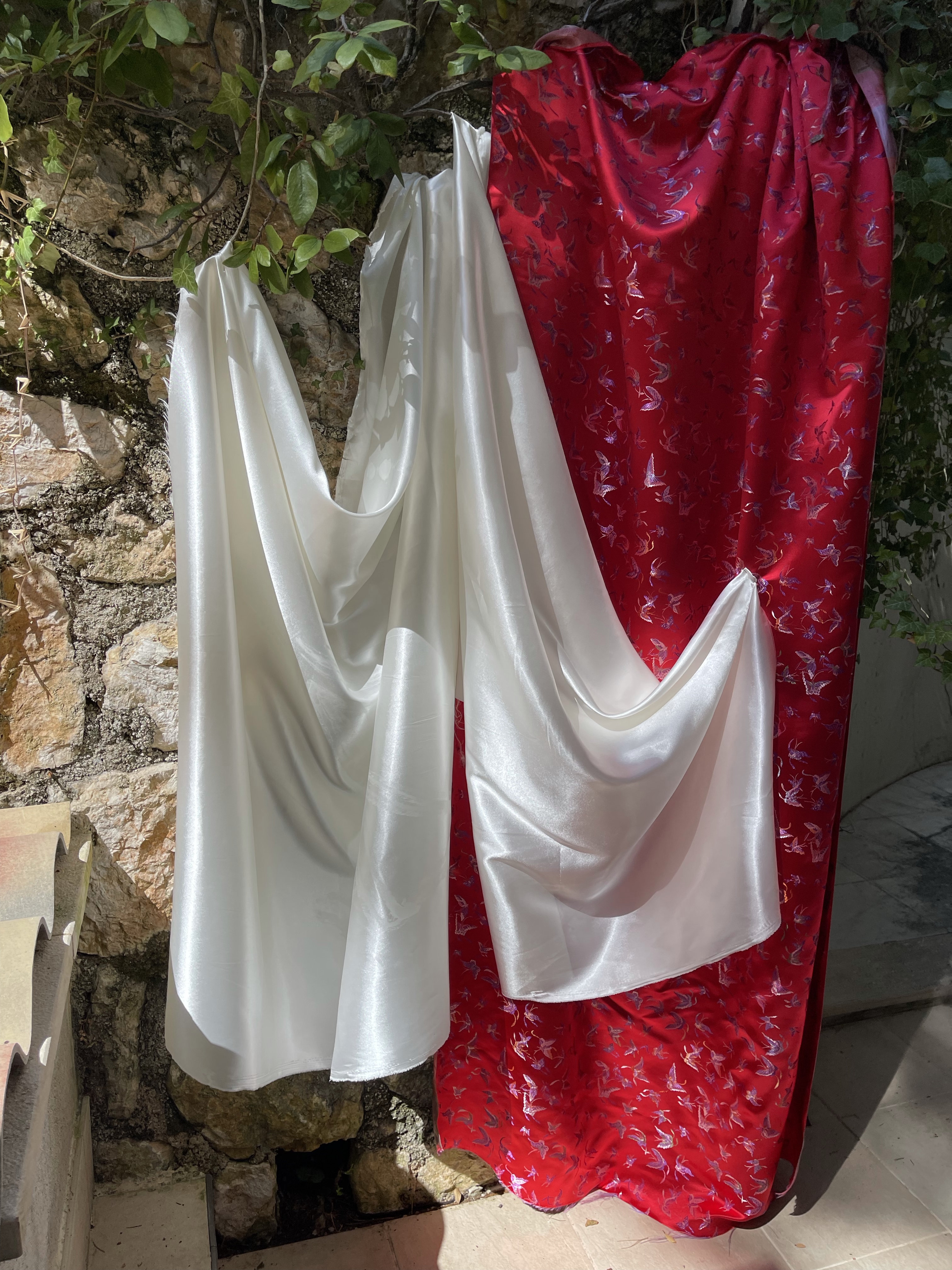
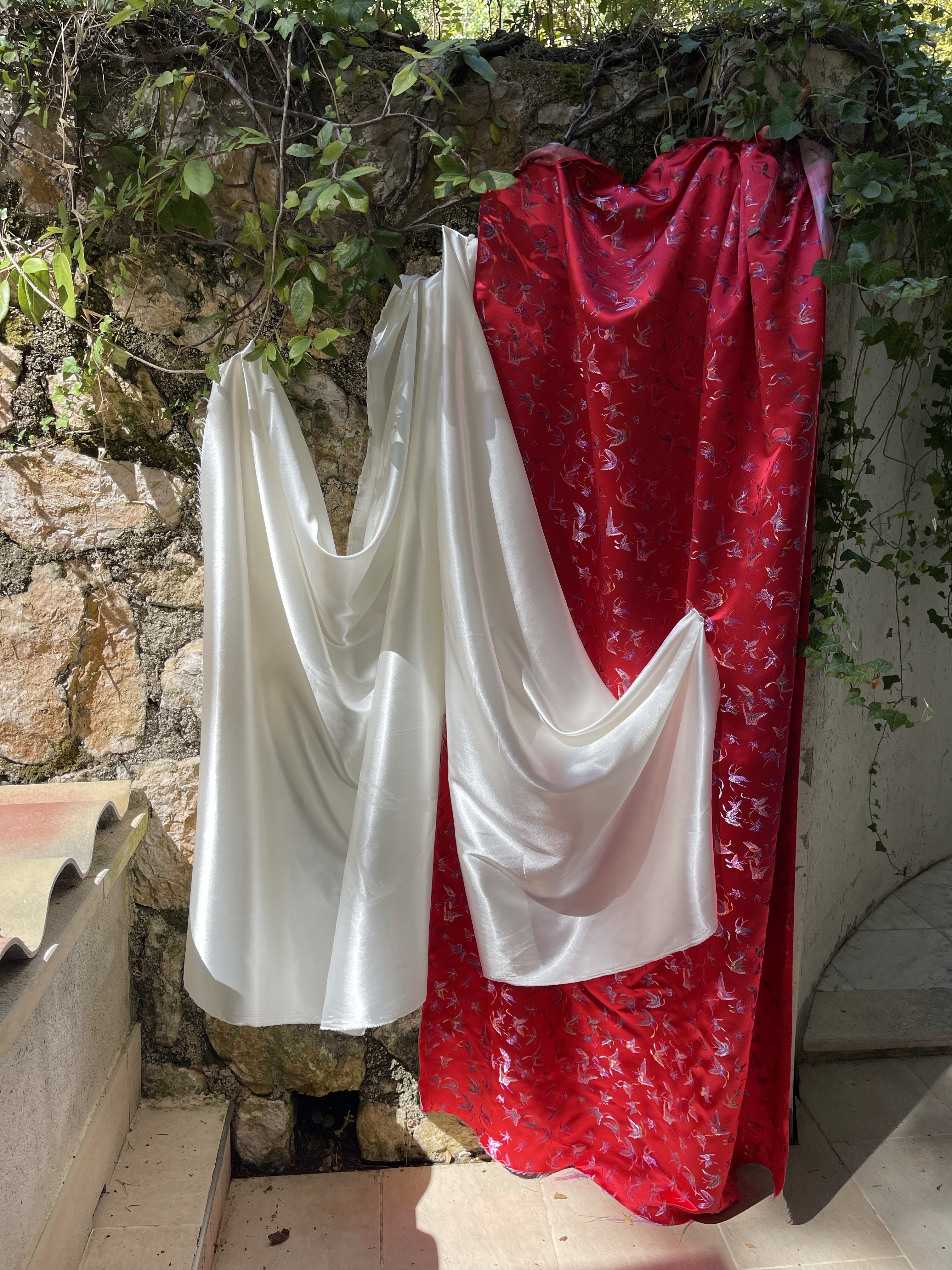
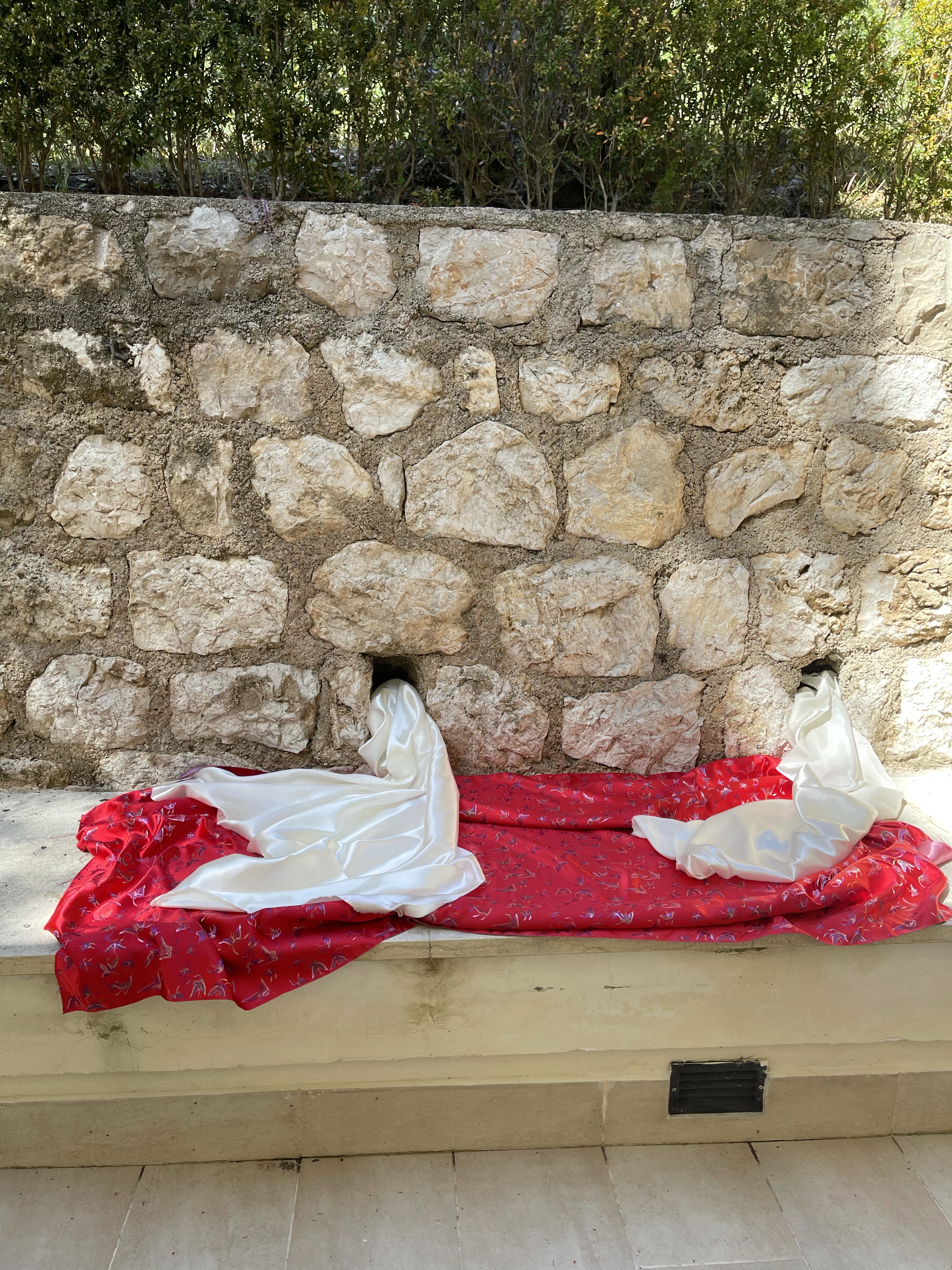
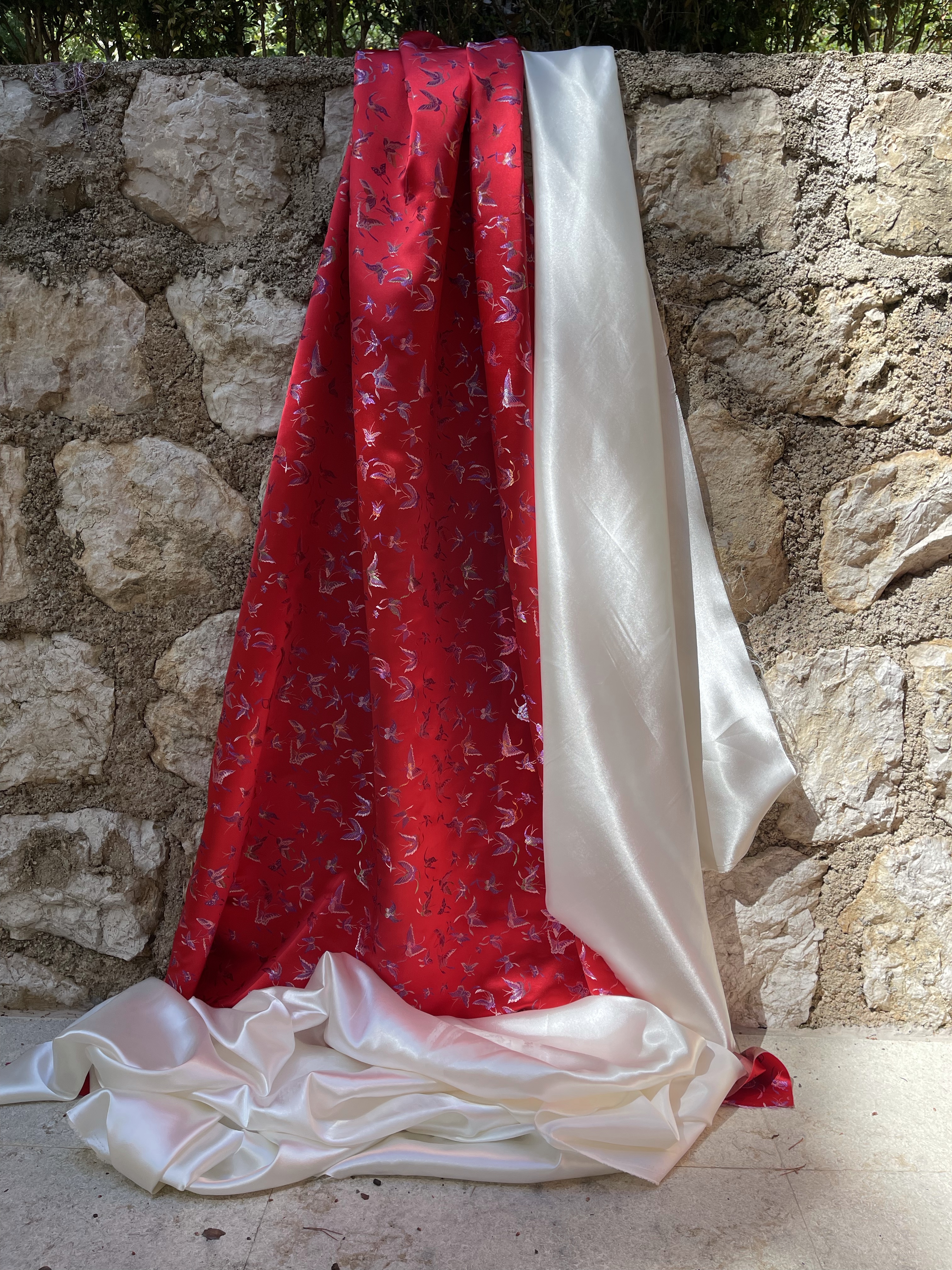
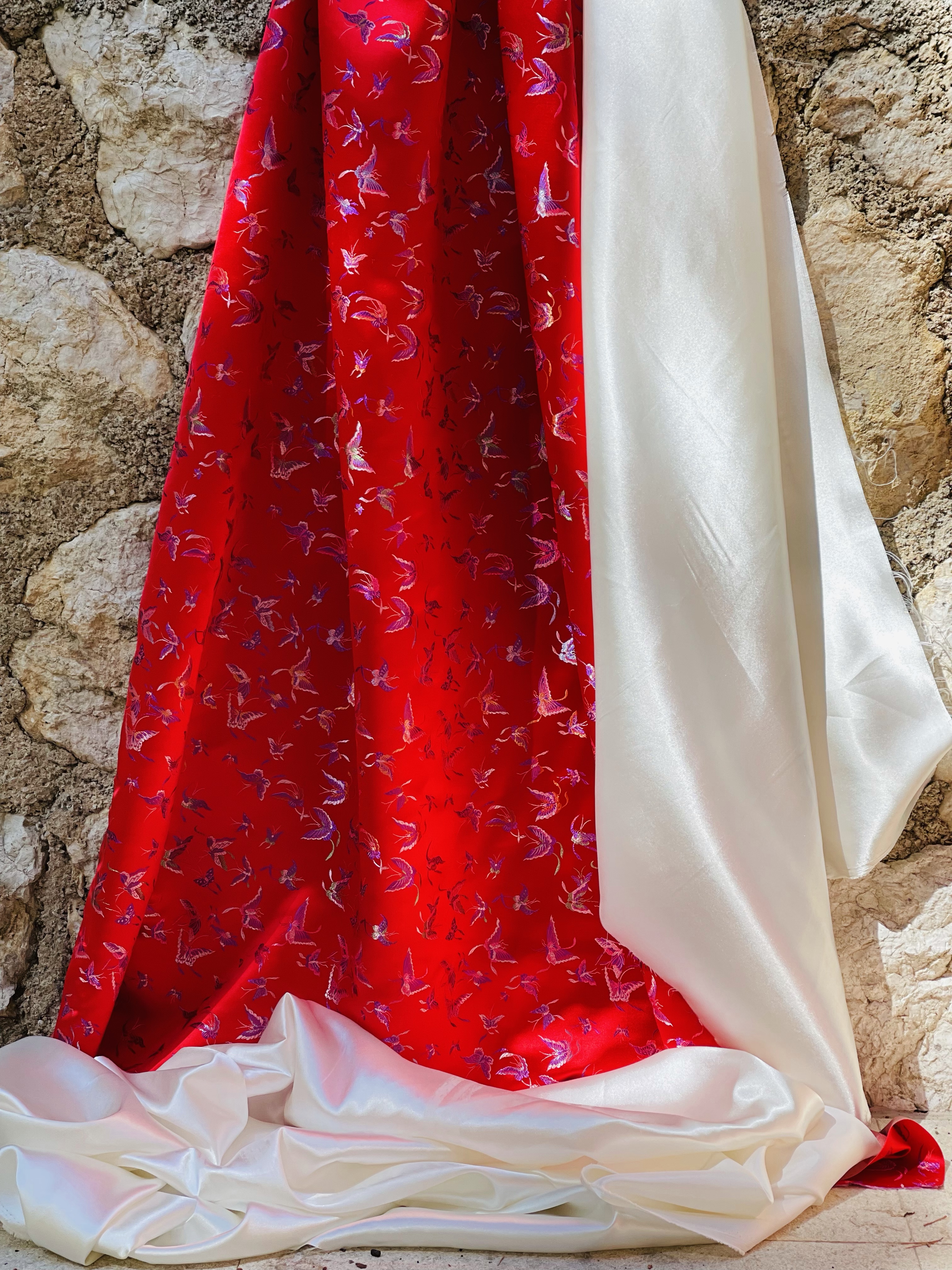
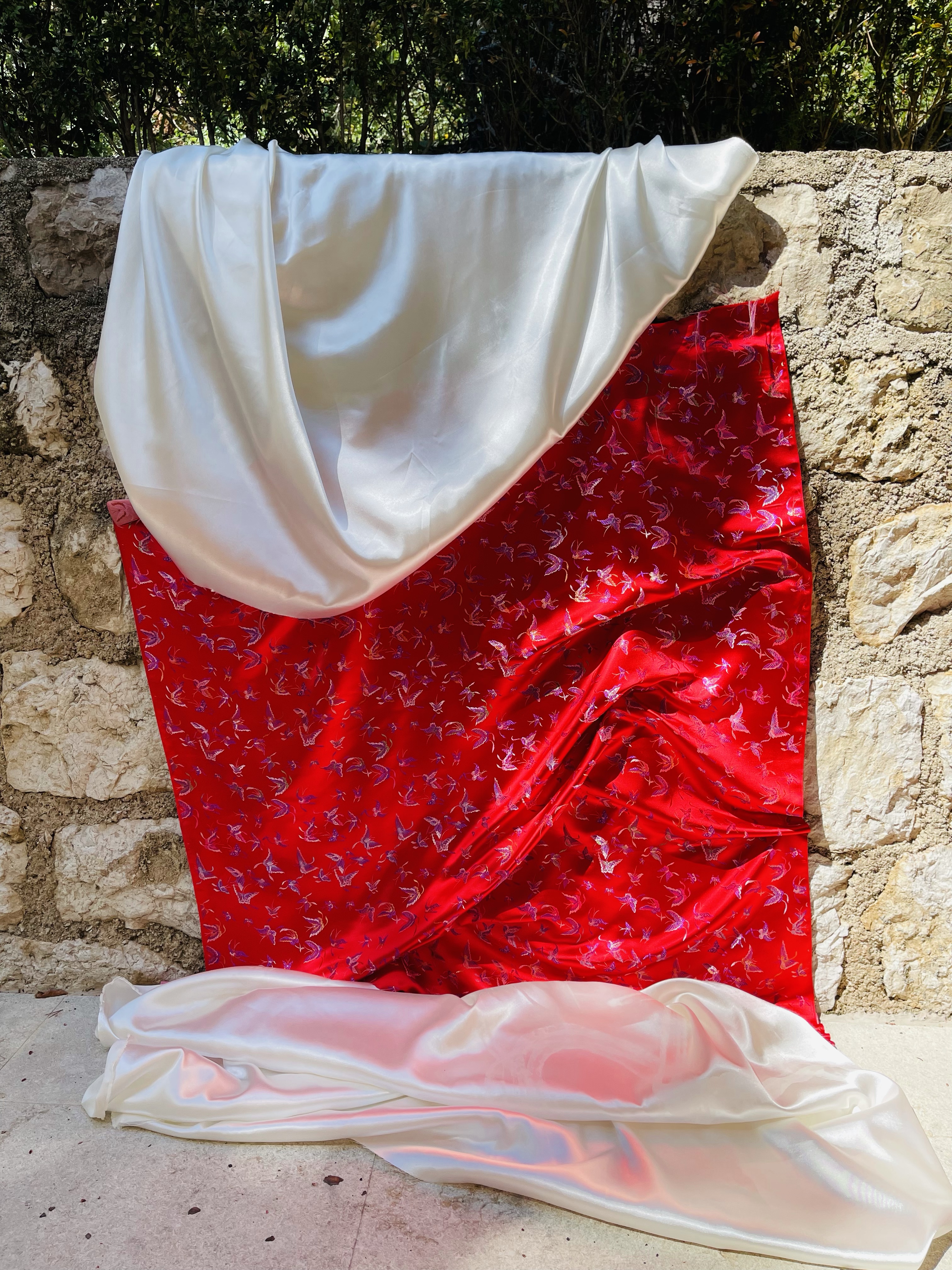
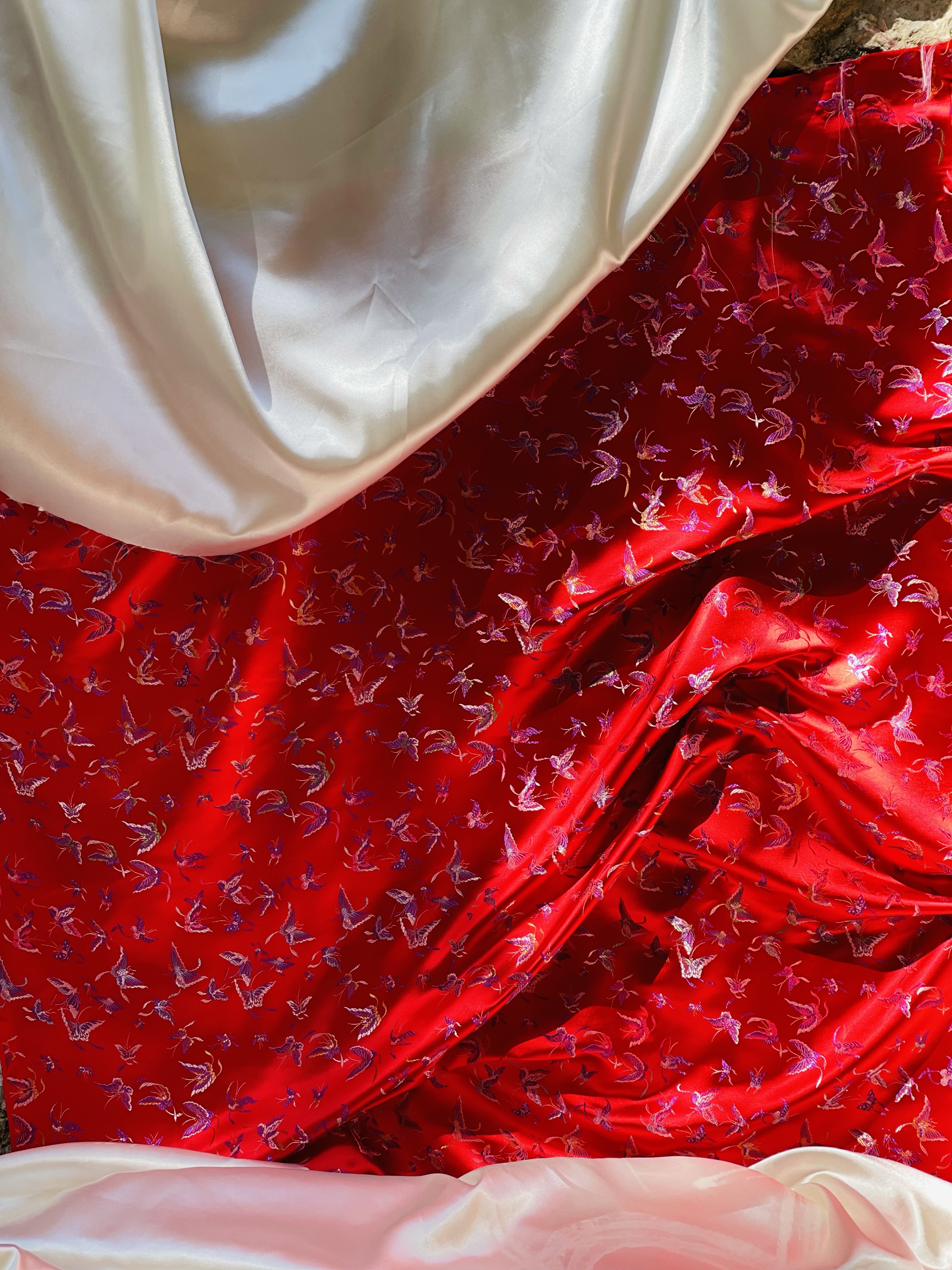
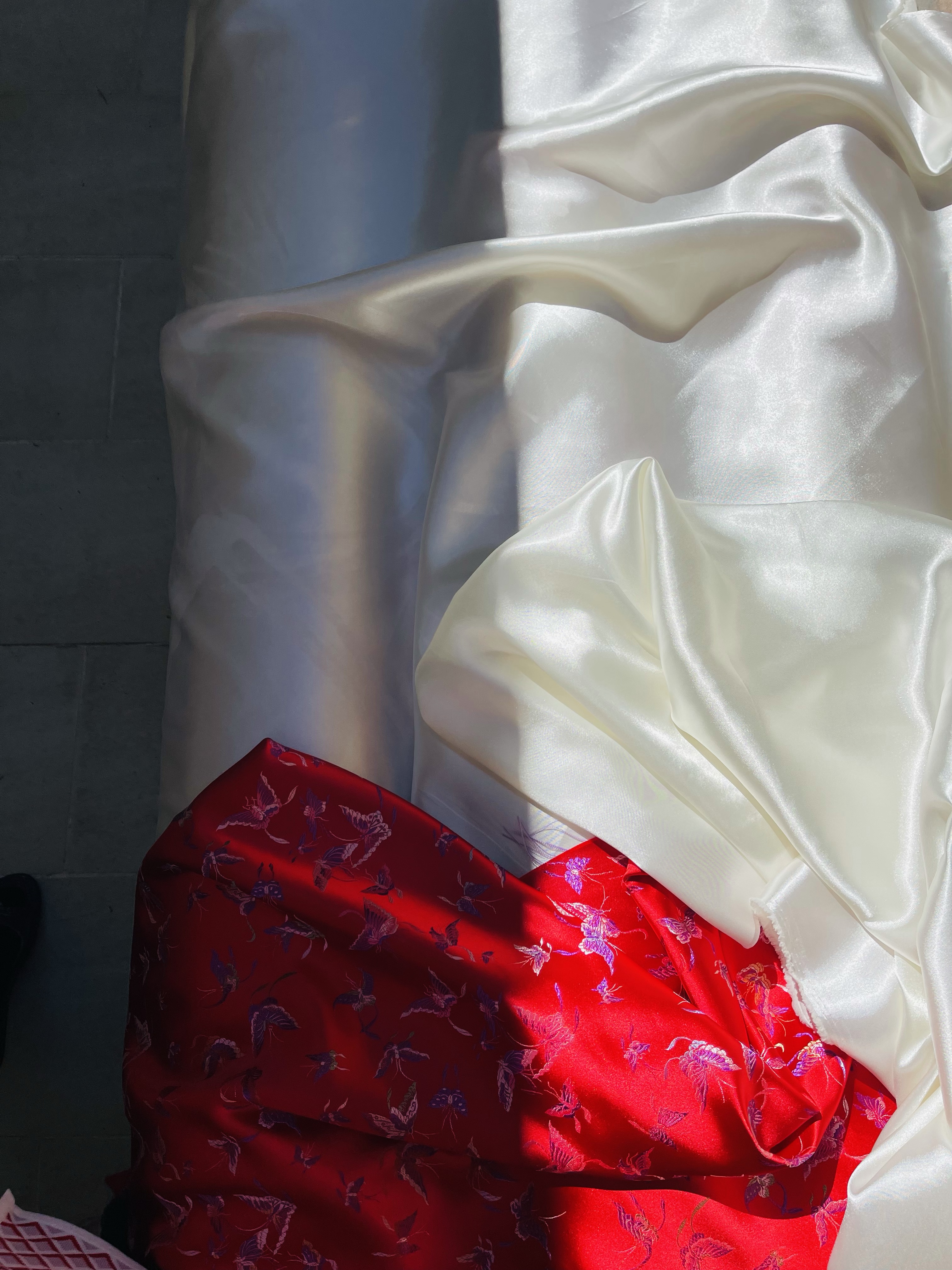
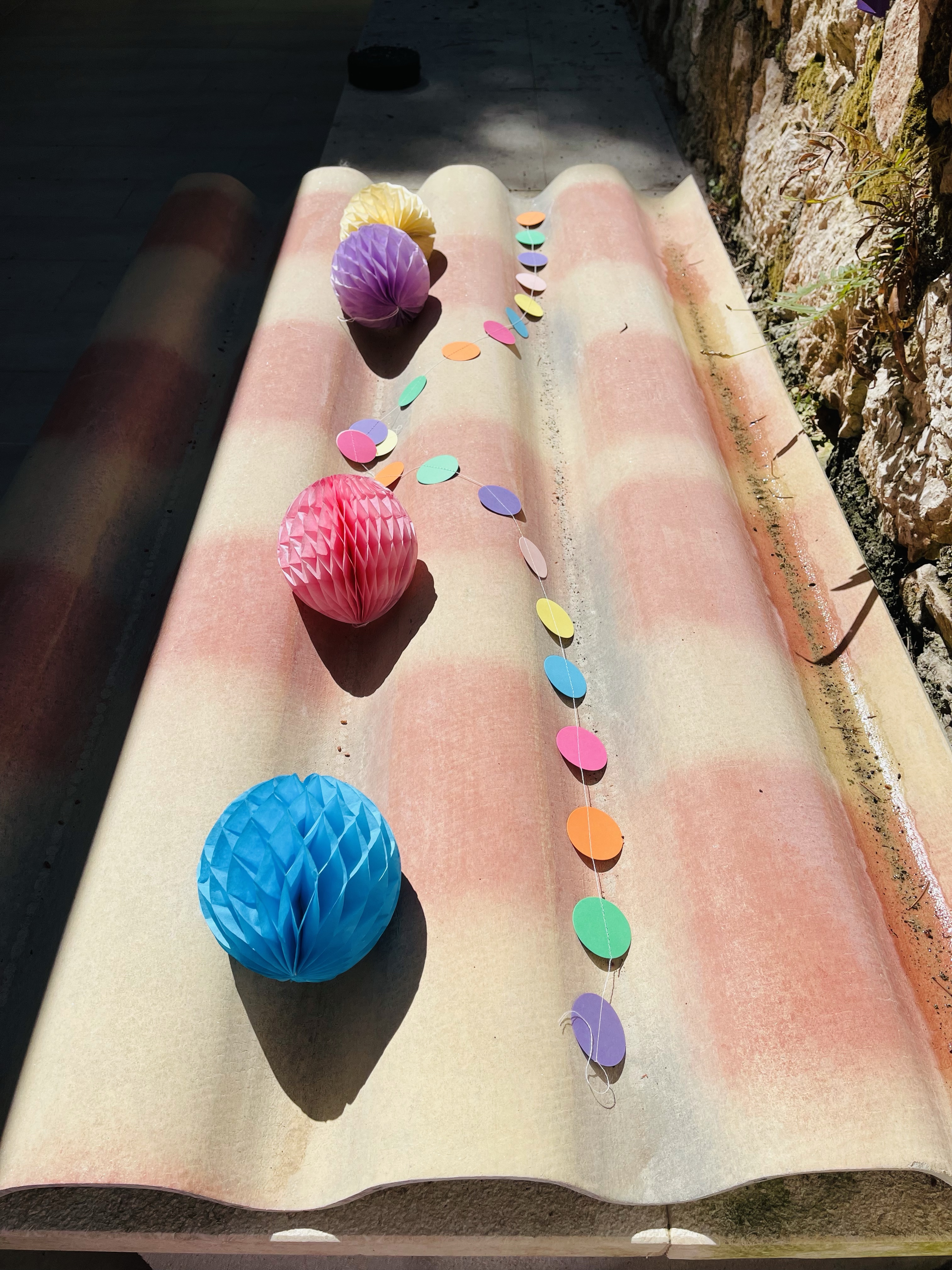
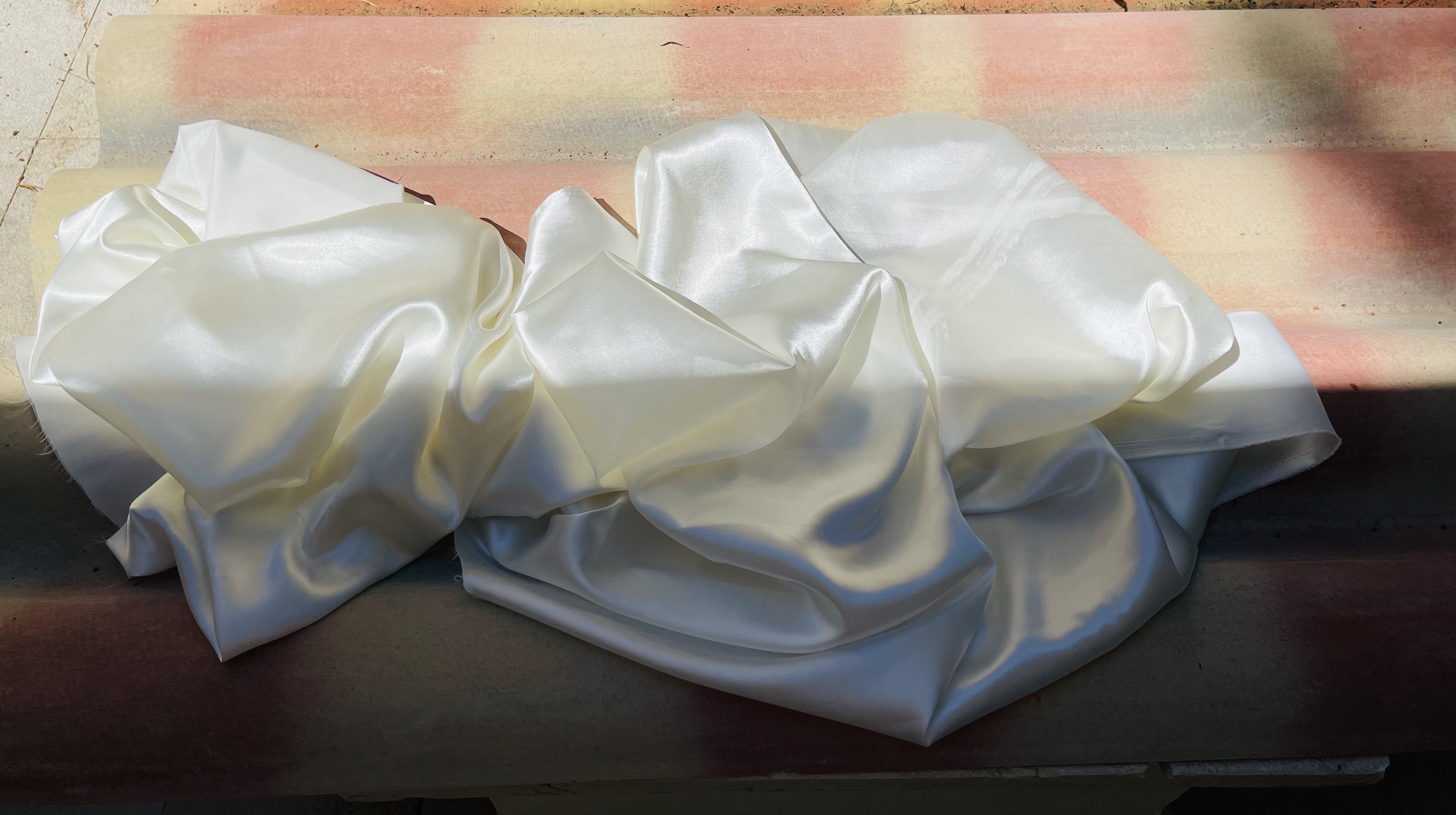
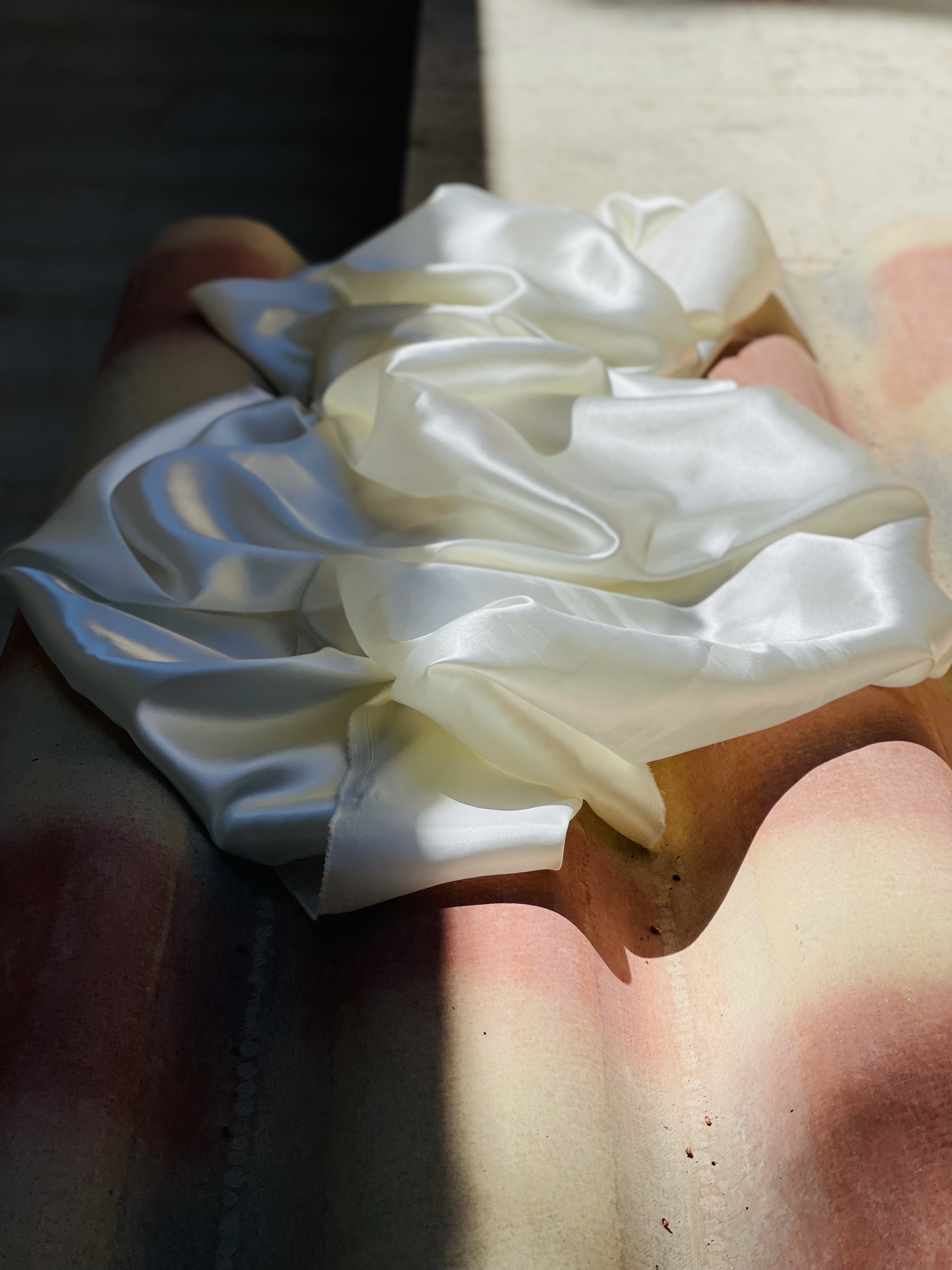
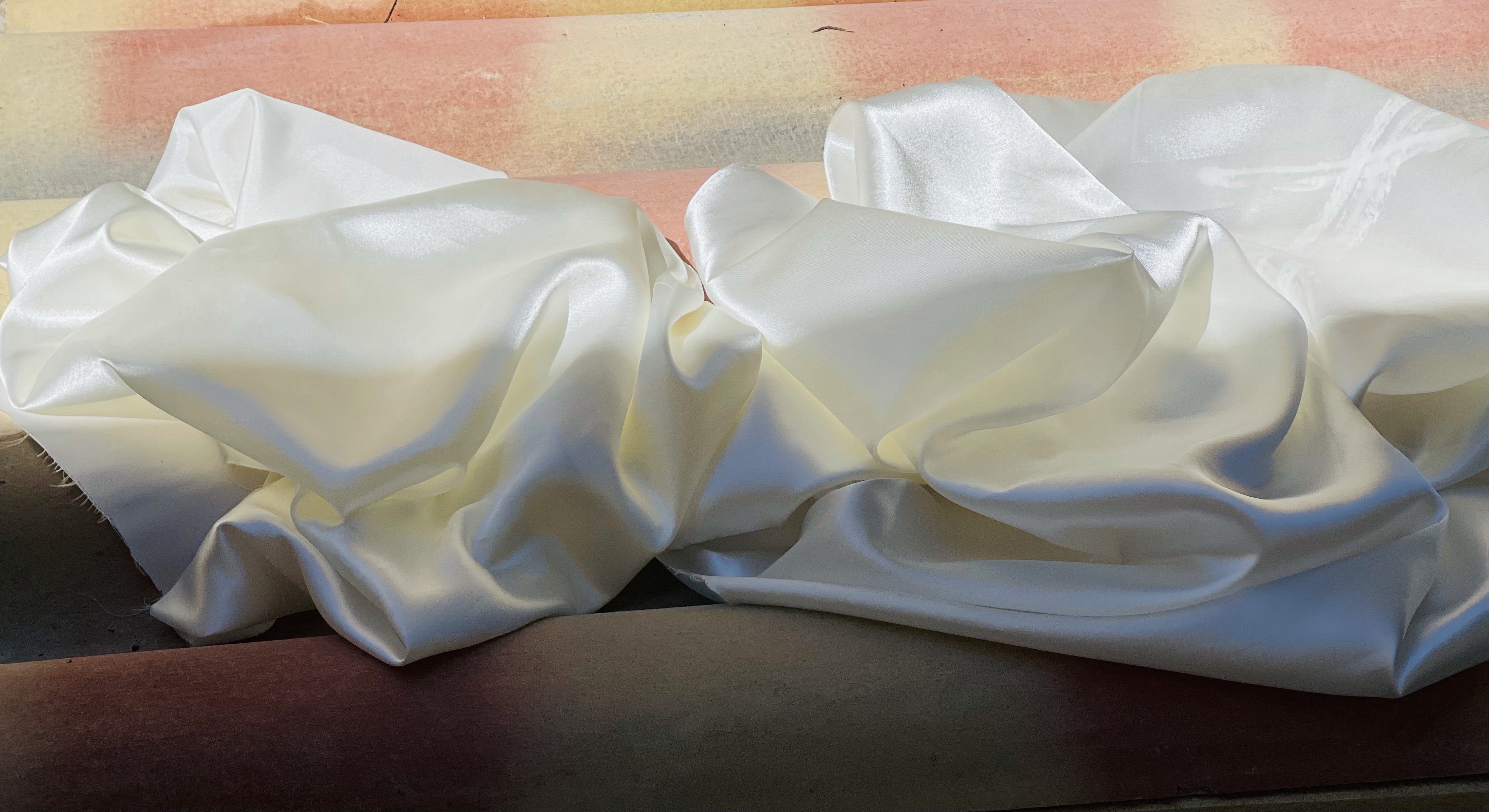
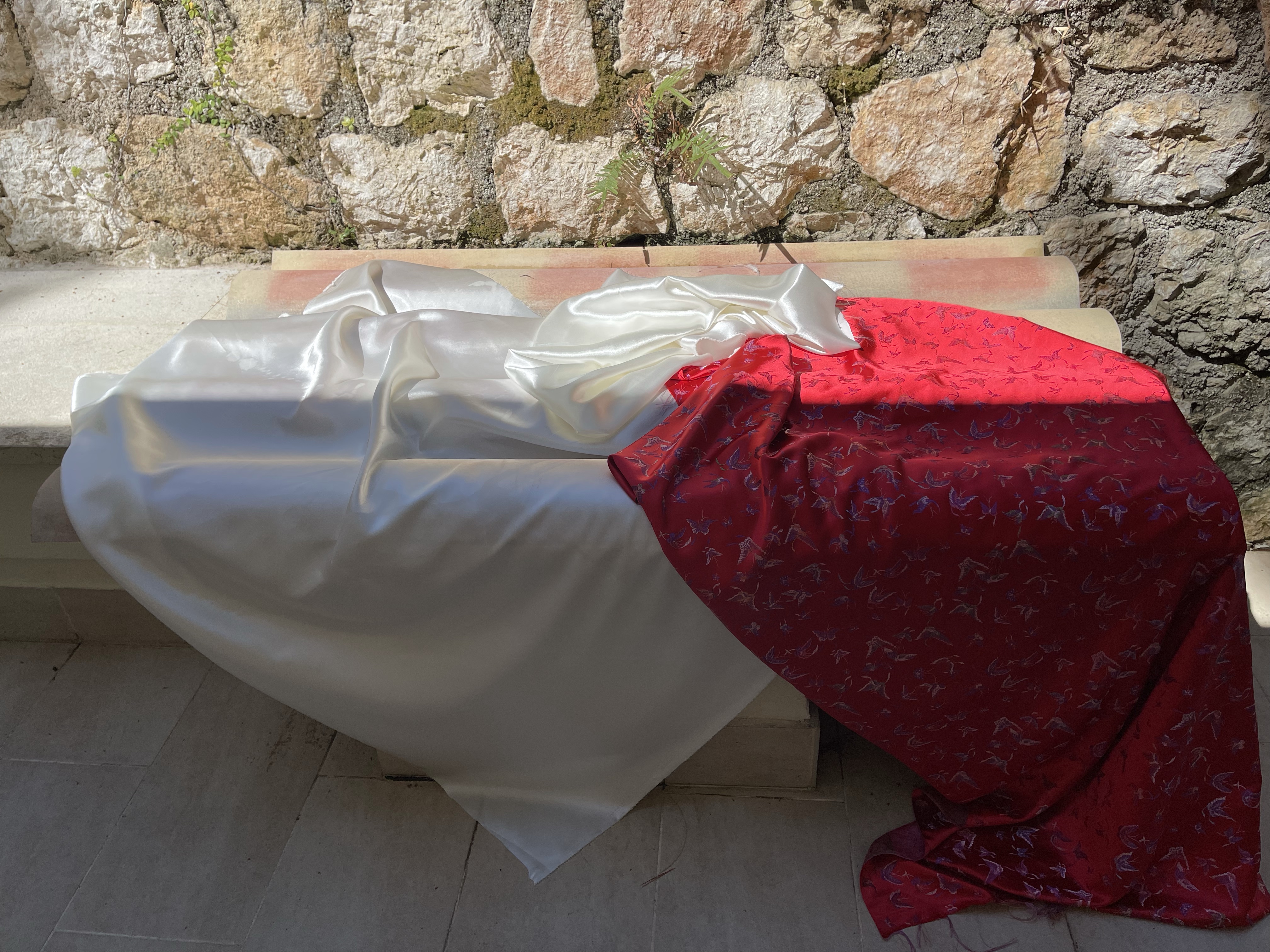
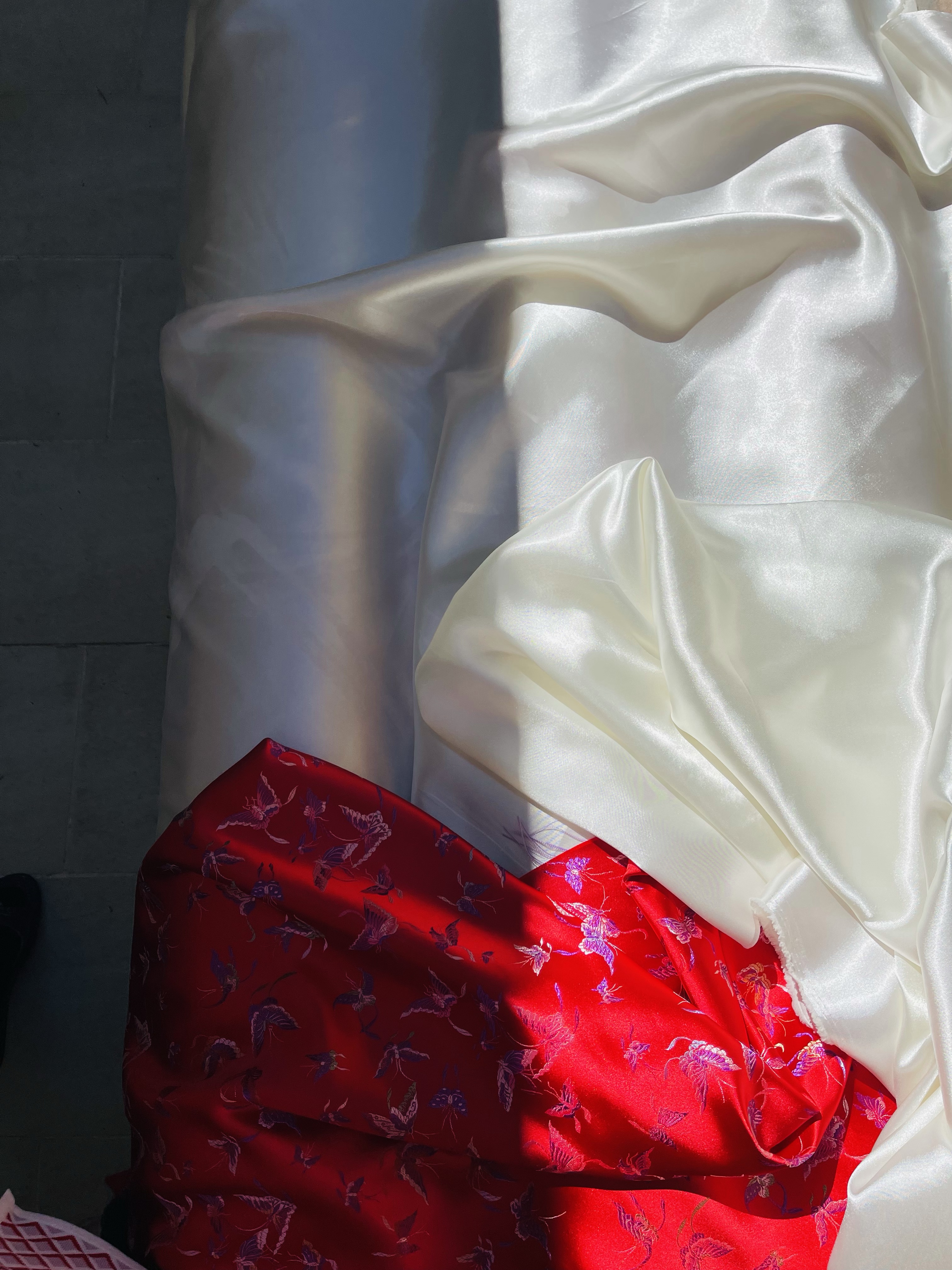
Below I put some photos of my experiments with an unconventional canvas and abandoning paint approach. Below you can see a piece of a rough stone wall in my garden and a curved hard surface of slate. I was thinking about how can I abandon paints, taking into account that I must focus on structure, folds and creases. At the same time I was thinking what could be done with fabrics. I also played with paper garlands I found in my basement.
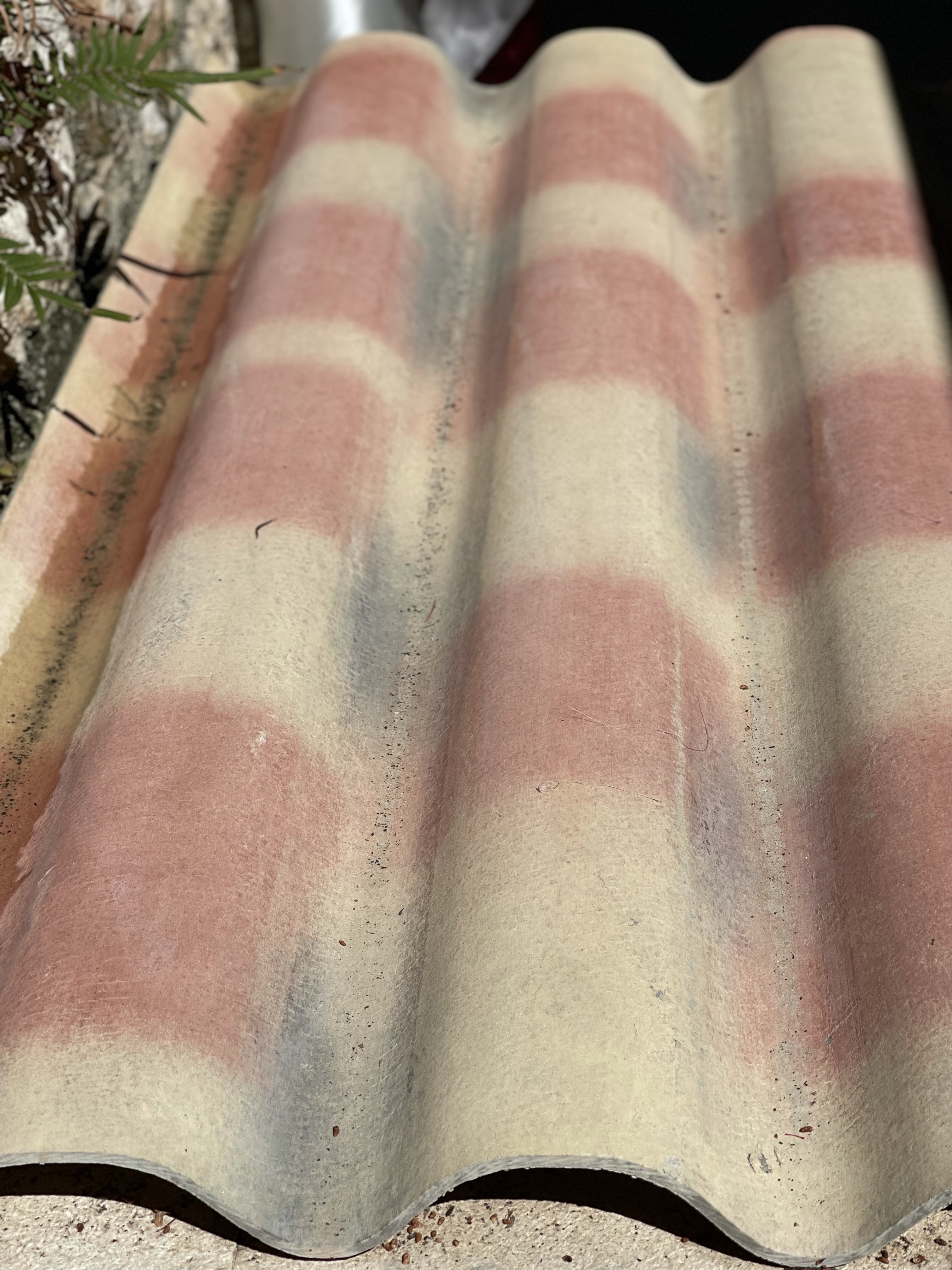
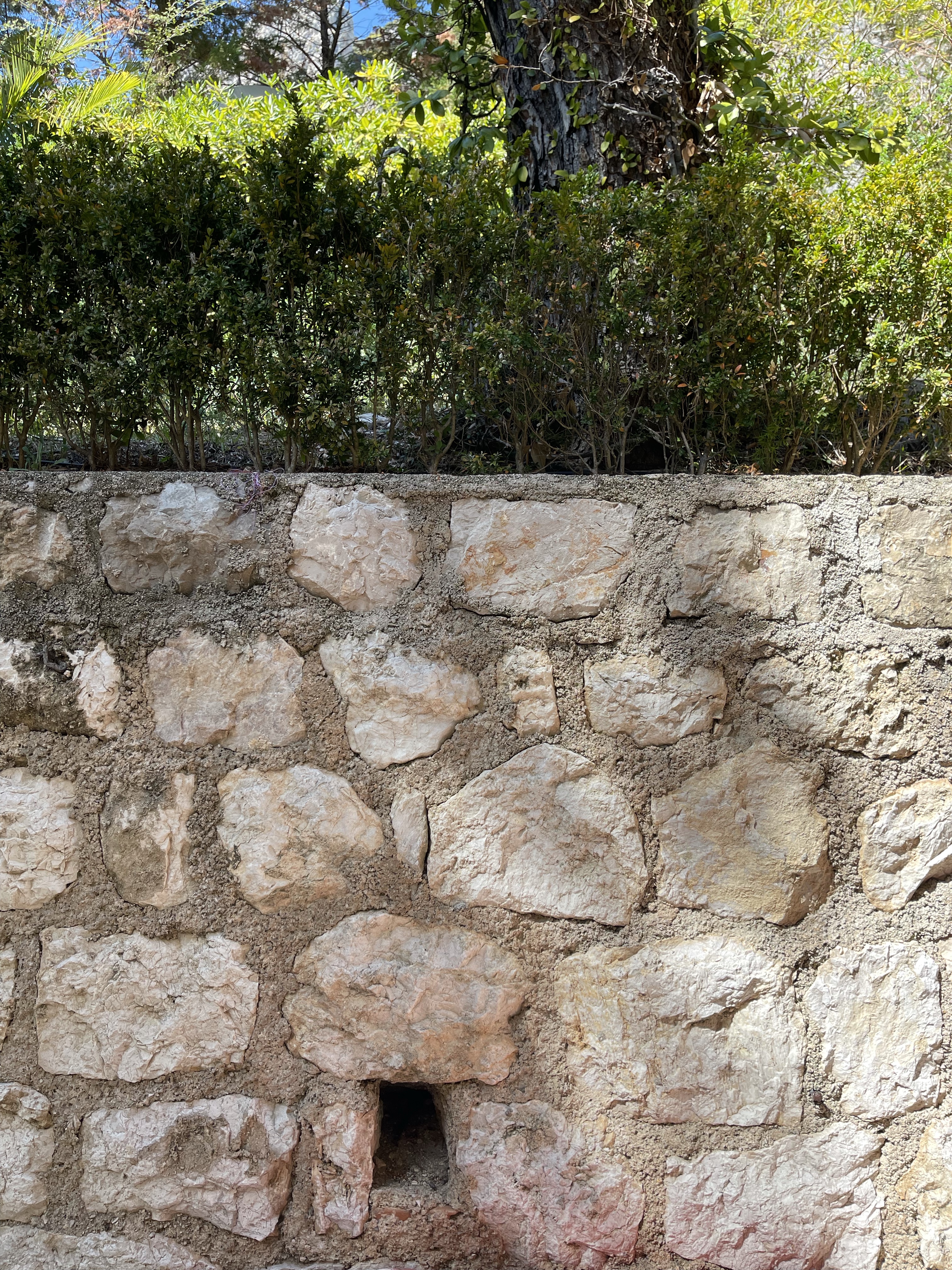
When you open your mind and are willing to use any surface as a “canvas”, it takes your creativity in new and many directions. It was relatively easy to get inspired by alternatives to conventional canvas. Anything can be your playground for your creative ideas; there is no need to limit yourself to a “single piece of canvas pulled across a stretcher”. It was interesting to observe that the surface influences the sense of space in your work. It does give you a structure and determines a compositional framework. In my particular installations below, I have exploited the scale and hardness of the surfaces. Both surfaces were solid, thick, massive and could be associated with something permanent, rigid, unforgiving, protective. Anything soft, fragile, flexible, quickly disintegrating, changeable, short-lived, and unstable would make good dialogue with these canvases. It was very new, exciting and challenging for me to walk away from paints and work in a sculptural direction. Probably, this is the main limitation of painting as a medium, which makes many artists engage their creativity with sculpture and experiments. If you go beyond the traditional canvas, you are automatically determined to try a dramatically different medium. I wouldn’t be able to show the softness and drama of folds on the hard, cold stone surface if I used the paints because of their flatness.
Bibliography: “Angela de la Cruz’, Lisson gallery, online on http://www.lissongallery.com. [accessed on April 13, 2022]; “Dianna Bolzan, Bologna Messen, April 8-June 19, 2011′, online on http://www.whitney.org [accessed on April 13, 2022]; “Focus: Dianna Balzan. Deconstructed canvases and layers of reference”, by Katie Kitamura in Features, 01 June 2011, online on http://www.frieze.com, [accessed on April 13, 2022]; “Sarah Crowner”, Simon Lee, online on http://www.simonleegallery.com, [accessed on April 13, 2022]; “Sara Crowner, CV’, online on http://www.noredenhake.com [accessed on April 13, 2022]; ‘Artist Sarah Crowner | American Geometric Abstractions Painter | WAA’, #World’s Art and Artists, 22 jan, 2022, Youtube, [accessed on April 13, 2022];
 JeanArt