Exercise 1.2. On Perspective.
On Perspective. In this exercise, we have to reflect on different approaches in painting perspectives between Western and Asian traditions of paintings. As examples, we can use two of suggested paintings below:
On the left: Gerchard Richter, Small Road, 1987 (oil on canvas); Bridgeman images, photo from OCA Painting 2 coursebook;
On the right: Li K’e-jan, Southern Chinese Landscape in Spring Rain, Bridgeman Images, photo from OCA Painting 2 course book;
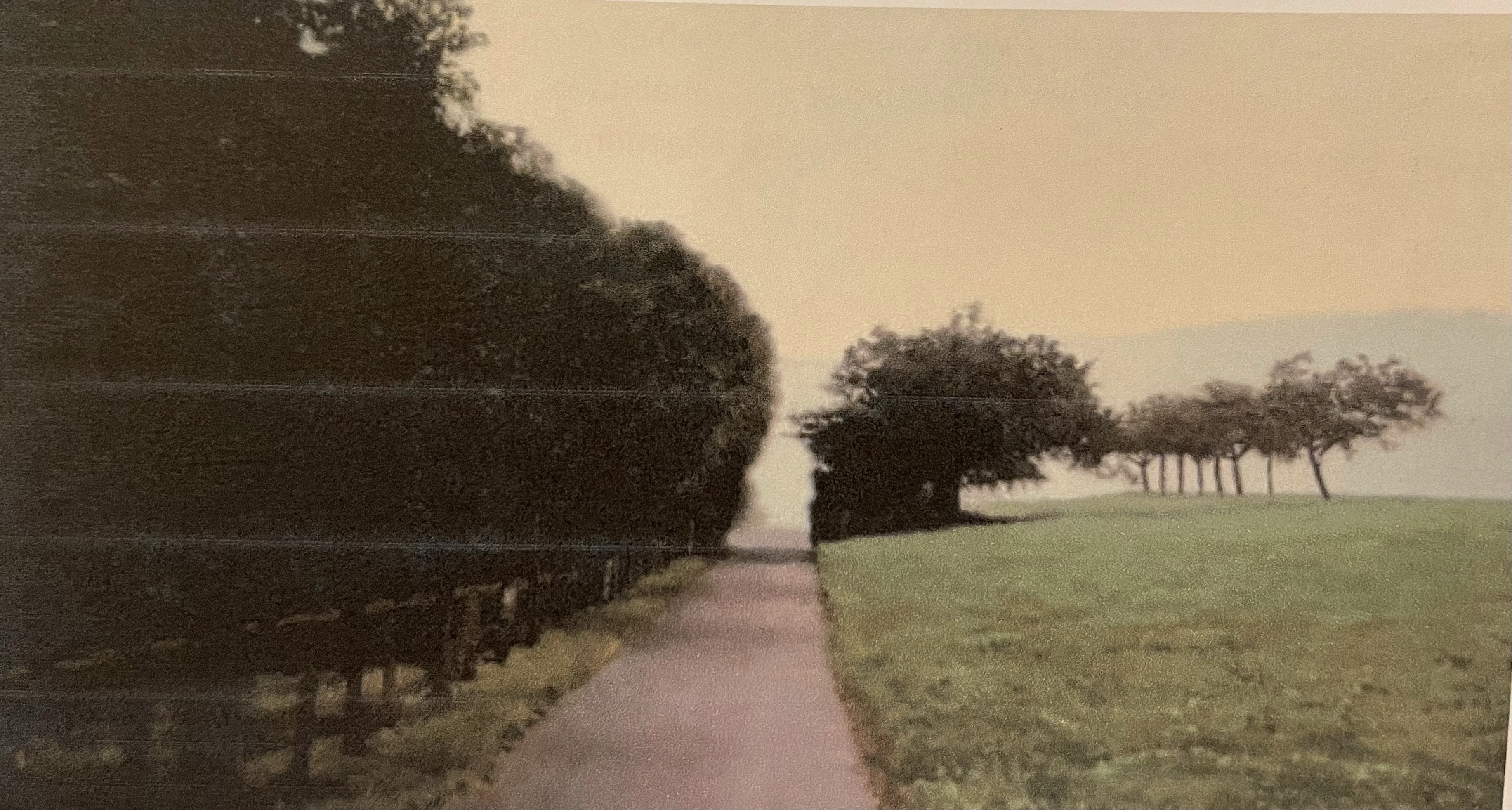
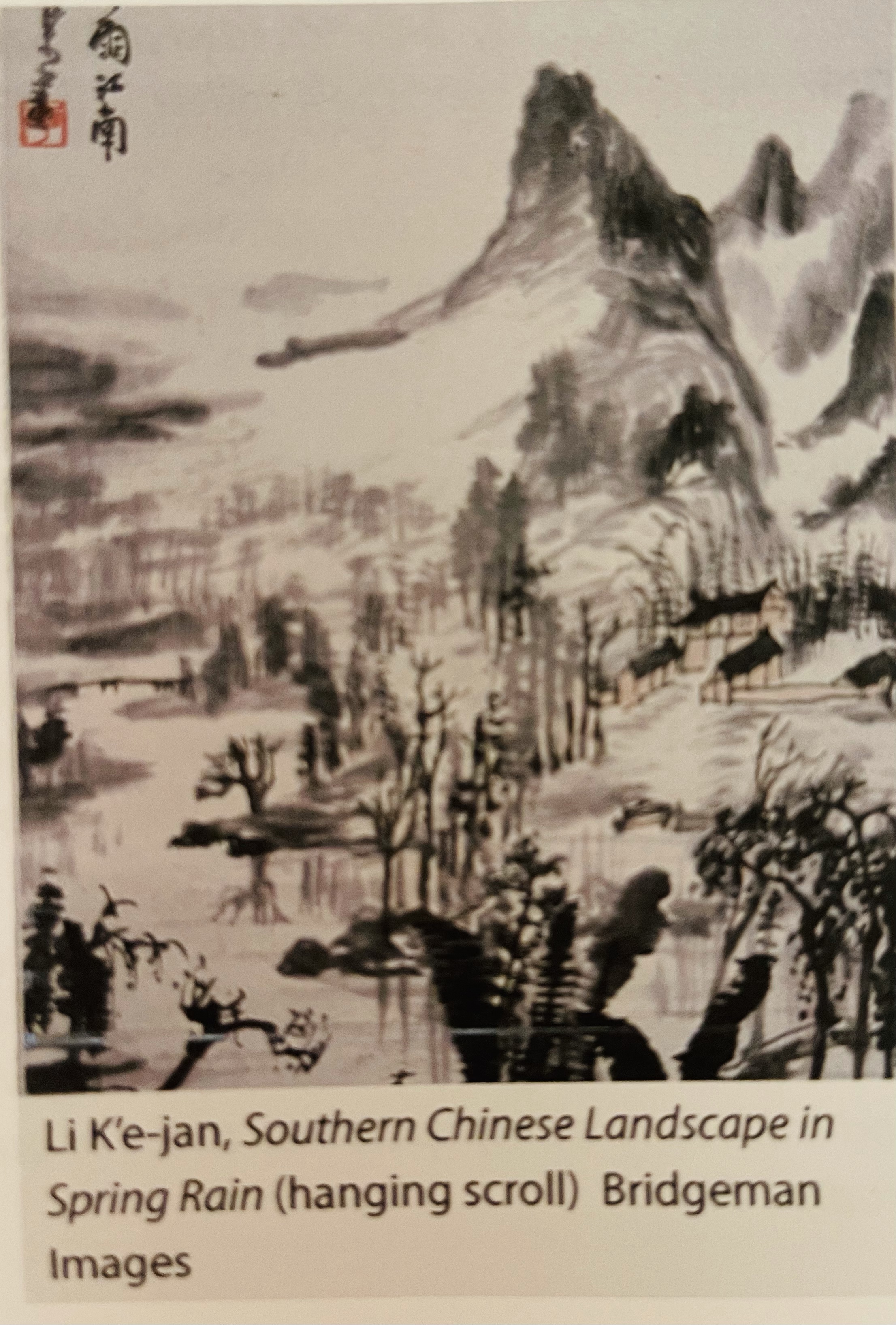
Western tradition emphasises a visual perspective when all the lines converge in a vanishing point. “In contrast, non-western depiction of space such as those found in traditional Chinese painting, have a different focus and set of priorities..” (OCA course book, page 37);
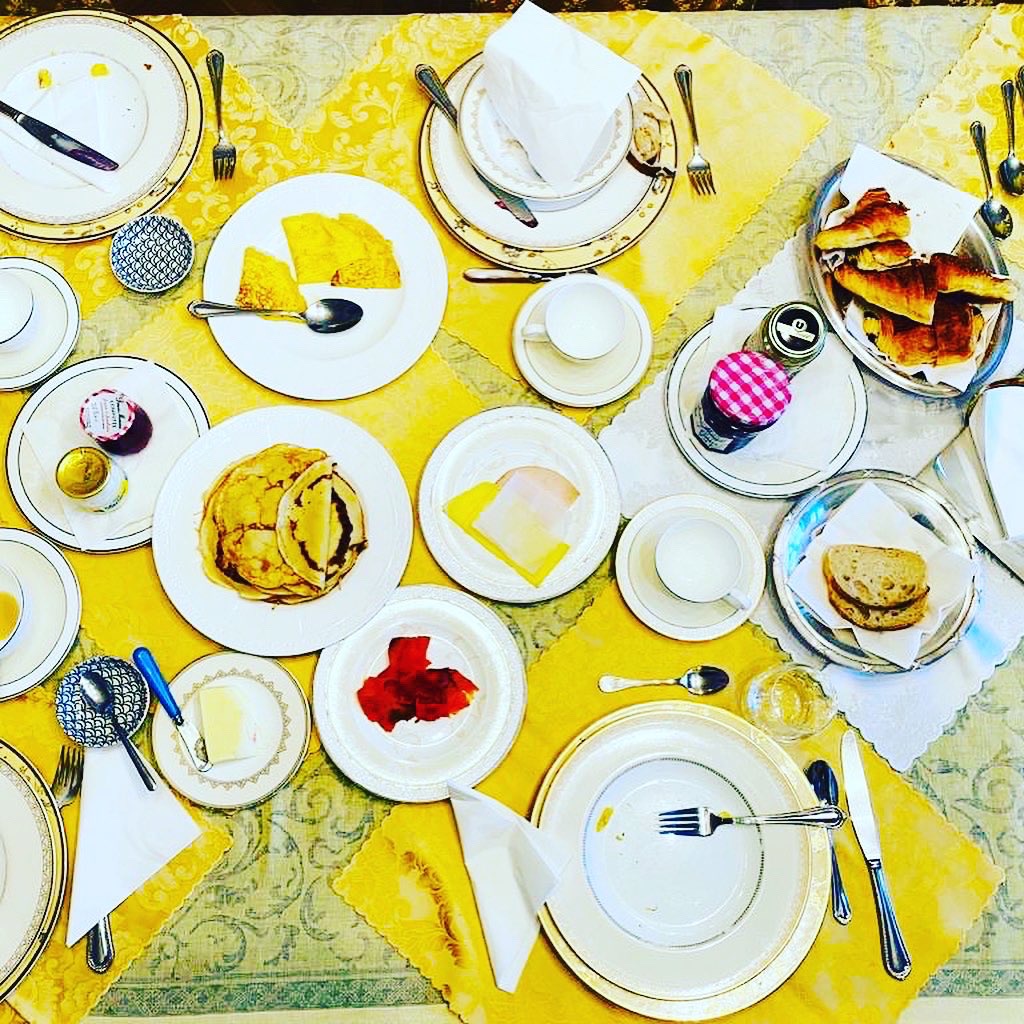
In this exercise we have to make a series of colour studies, exploring shapes and spatial relationships that exist between the table and its inhabitants. We have to paint, cut and play with shapes, collaging them in our studies. Below is my study of ‘after breakfast’ dining table. I post several photos of after breakfast dining table, which I took in row of four days. They are a very good example of “inhabited landscape”.


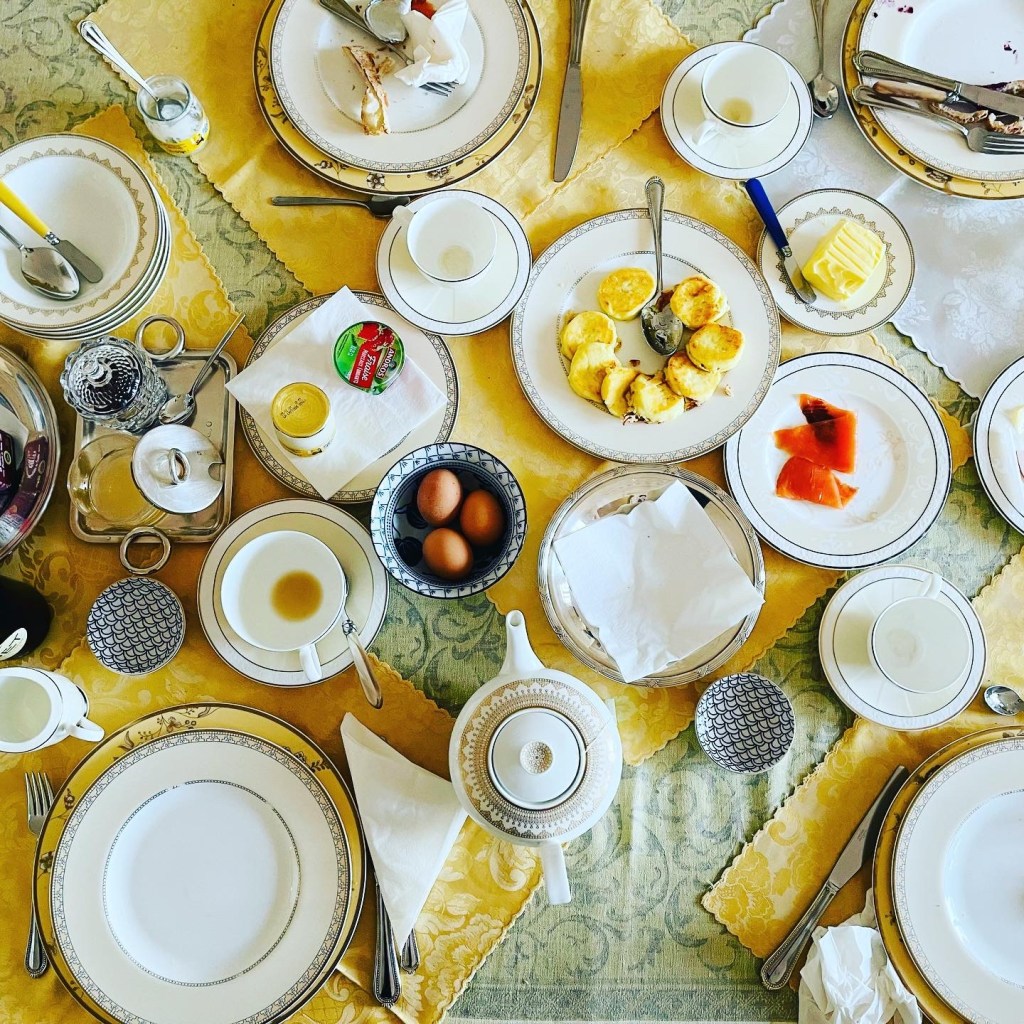
Below is my study and work for the exercise, inspired by my “after breakfast mess”.
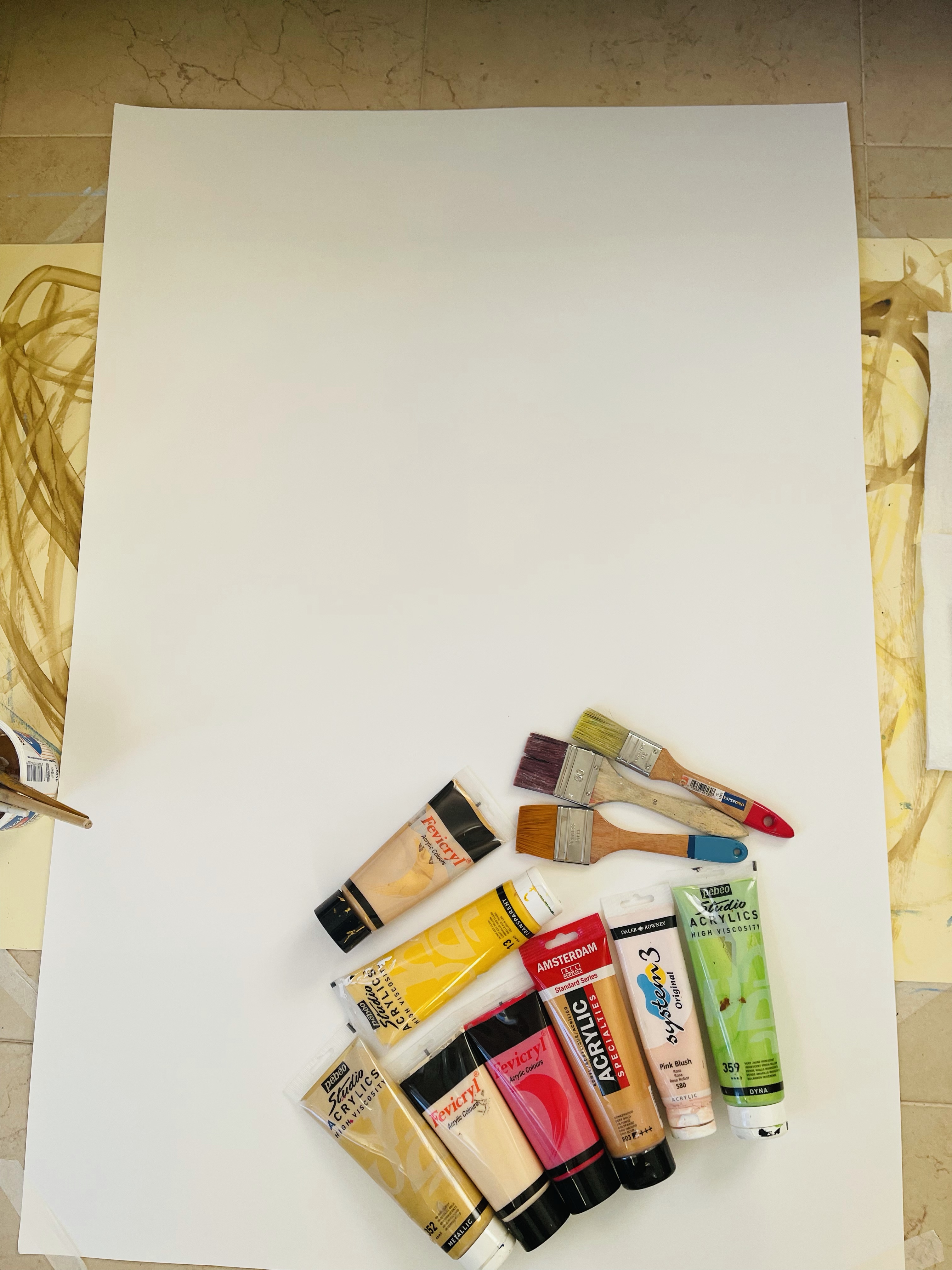
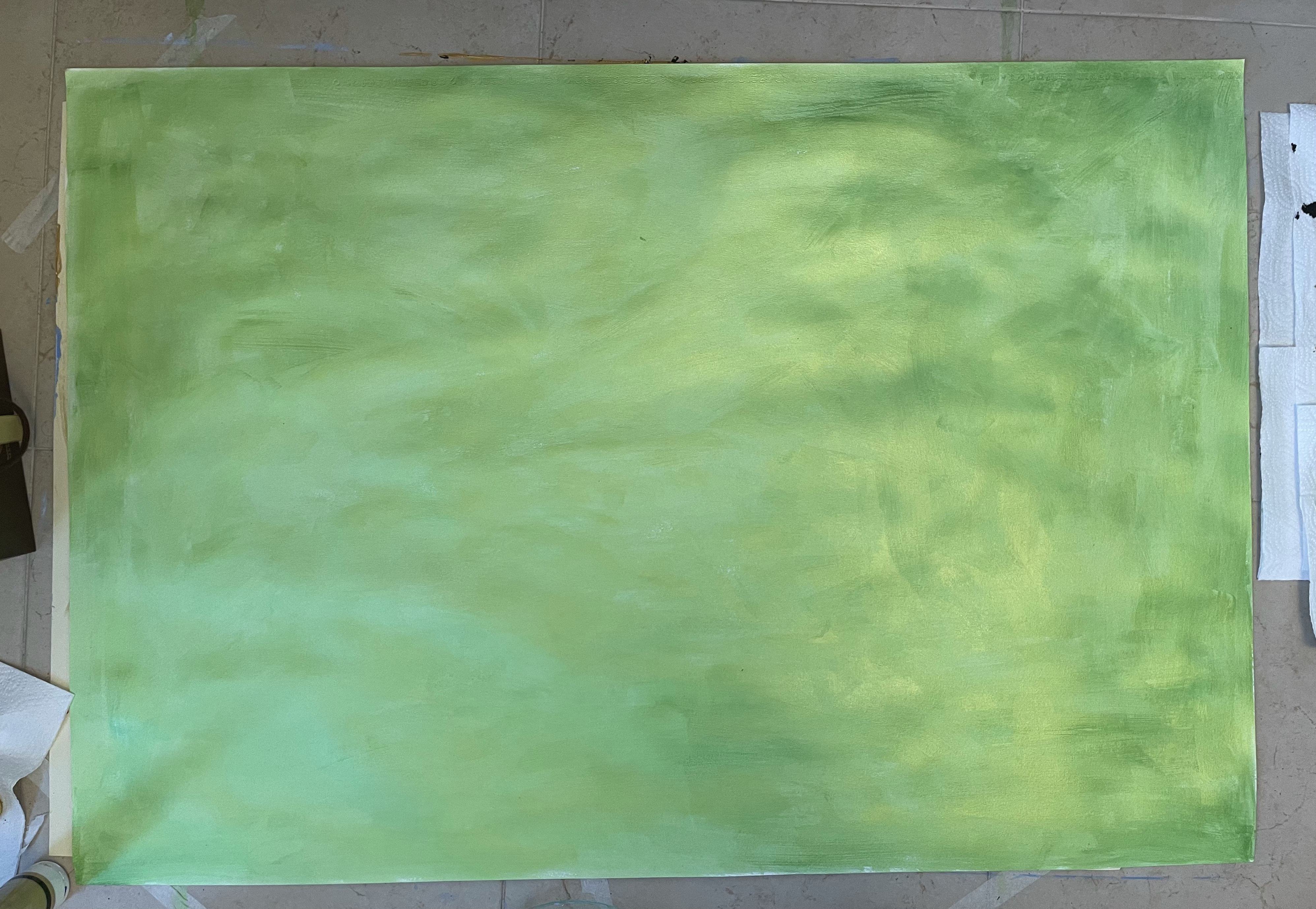

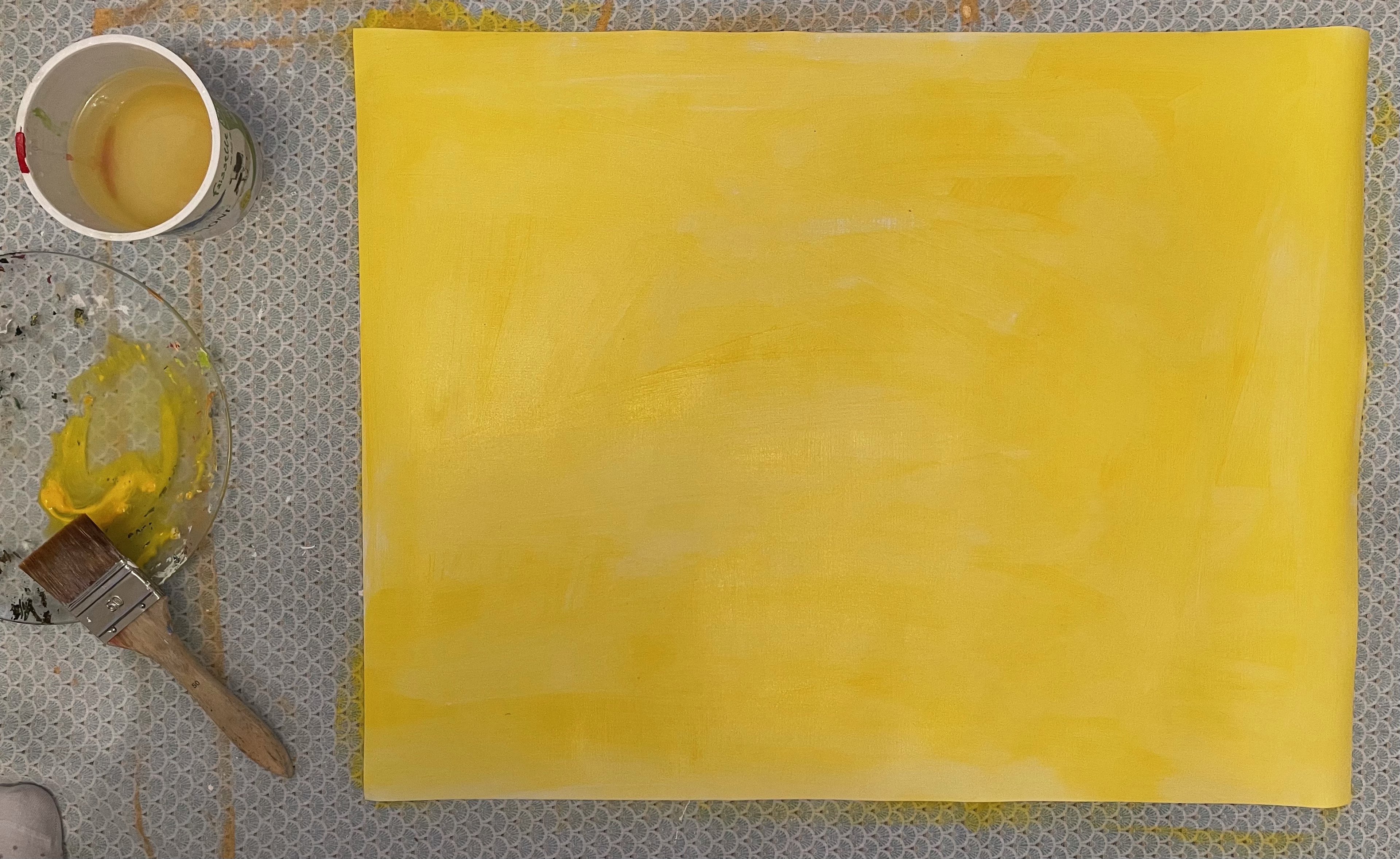
I picked up this composition above because I was intrigued by the play of the shapes inhabiting the surface. We can see squares of napkins and many circles of all sizes: from large circles of plates to tiny circles of condiments lids. Cutlery also adds up some tension.
from Canson, size 110 cm*75cm, green and gold acrylic paints. For the shapes, I used yellow, pink acrylic paints, white paper from Canson, a paper placemat with a Japanese pattern, kitchen aluminium foil. I worked with two different backgrounds. I have always wanted to experiment with gold shades, and I found it would be an appropriate background for my collage. Below are the photos of my collages. Some of my ‘napkins’ have been perfectly placed within the rectangular background, but some of them were cropped to be in harmony with the edges. I found nothing wrong with that because the whole spatial challenge was to organise those shapes. If I did not crop some of them, the space would be overcrowded, ruining the whole composition. Some of the squares had to be cropped to be in collage, and I left couple of whole squares in the middle. Different diameter circles worked well everywhere on the surface. Aluminium foil color made the composition look more intriguing. It should be something either metals or black go underline the dialogue of the geometric shapes on the surface. Without this metallic accent everything would be too plain and even silent.


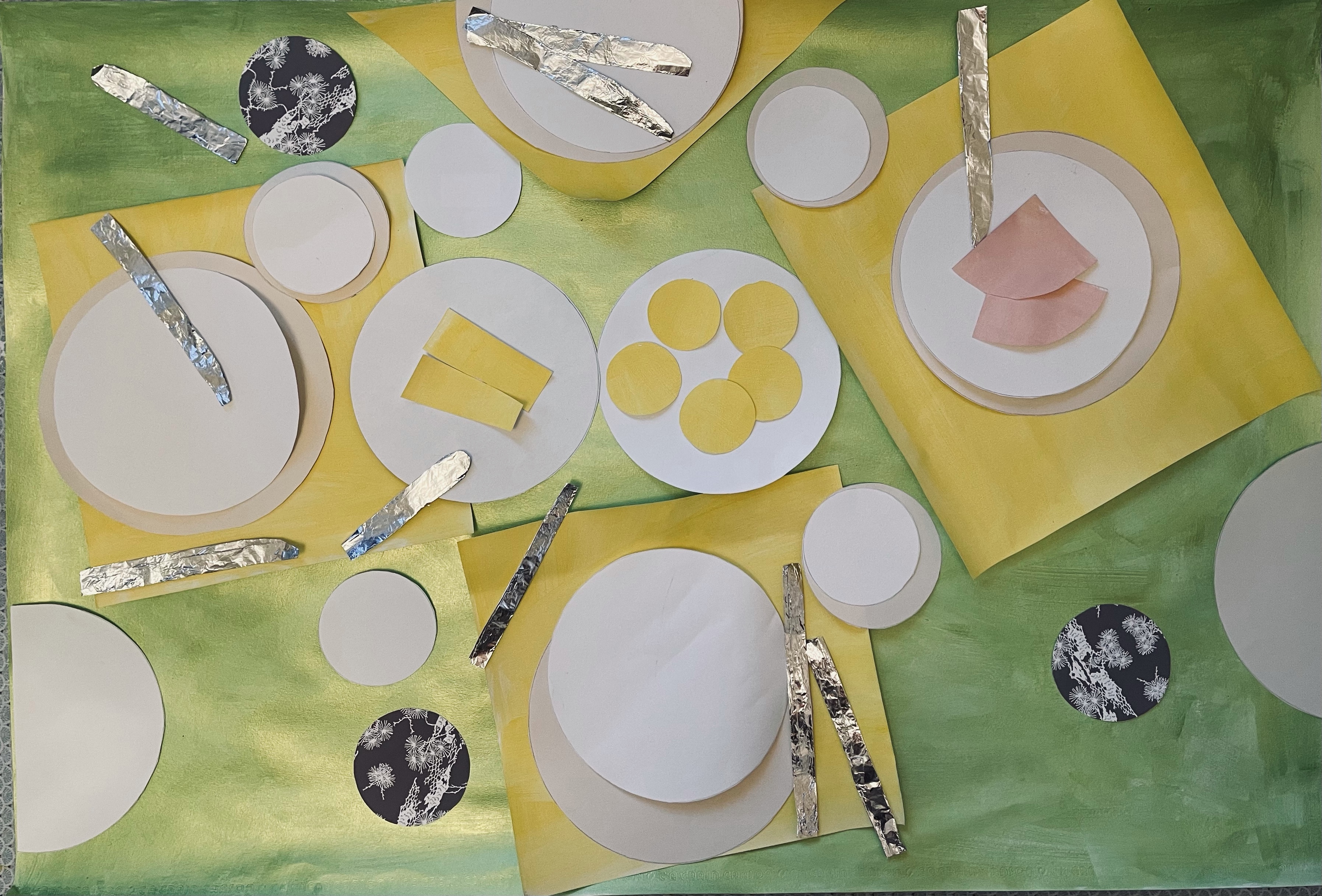

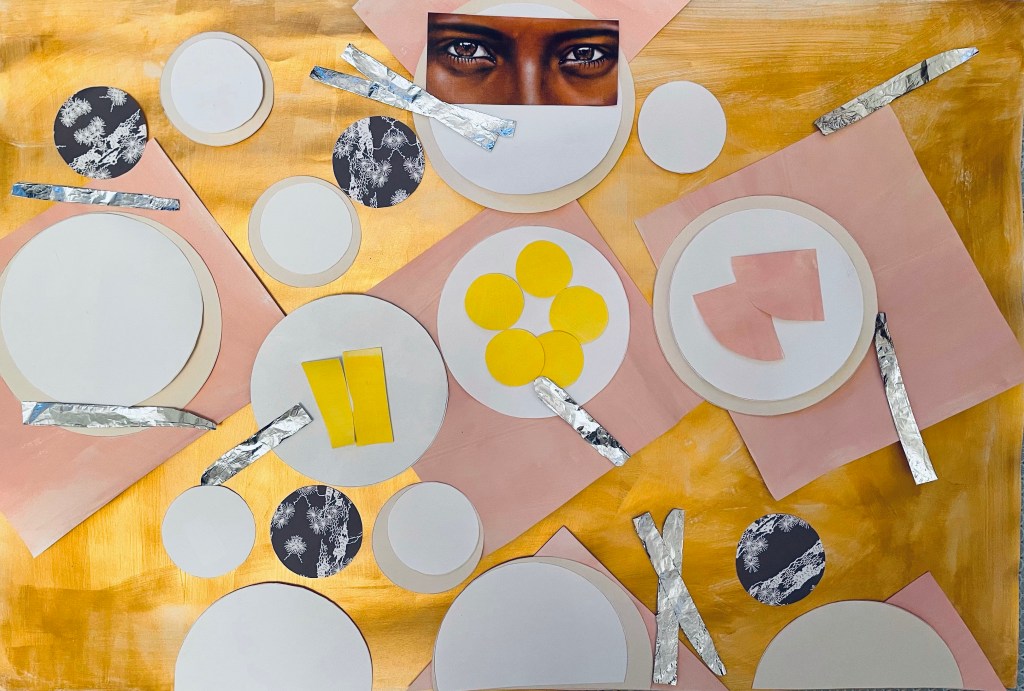
I was thinking about my collages, because I wanted to develop an idea out of them and within them. I was observing this interplay of circles and squares. Something was missing, it was not a statement yet. Just coloured paper and some geometric shapes. But then I got this idea. Every meal for us is not just about nutrition for our body. It is always a nutrition for our Mind and Soul. Meals, the social phenomena, we are so attached to, tirelessly exploring each other. I clean up the table and I can forget what we ate, but I remember your emotions. I can have a fine food, but if I am exposed to toxic emotions, the food becomes bitter taste. I enabled my collage to speak when I added the eyes on the upper plate.
 JeanArt