
Research Point 1: Still life genre;
In this research we are required to look through an evolution and development of still life as a genre from traditional approaches followed by Dutch painters, then by modernist and further to contemporary artists of our days.
Still-life painting as an independent art movement flourished in the Netherlands during the early 1600s. German and French painters also painted still-life, Italian and Spanish painters were less continuous in this genre. Most of early still-life art works belong to Dutch painters. Dutch painter Ambrosius Bosschaert is recognised as a pioneer in the history of Dutch still lifes and a painter of joyful flower bouquets.
Since the time this genre emerged and flourished it has always been a reflection of social life and overall development of the society, its` religious and economical life. There are certain distinct kinds of subjects for still-life paintings of that early period:
a) Many of the objects depicted in the early works are symbolic of some religious figure such as Virgin (lily flower), while other objects reminded the viewer of a moral concepts and carried moralised meanings;
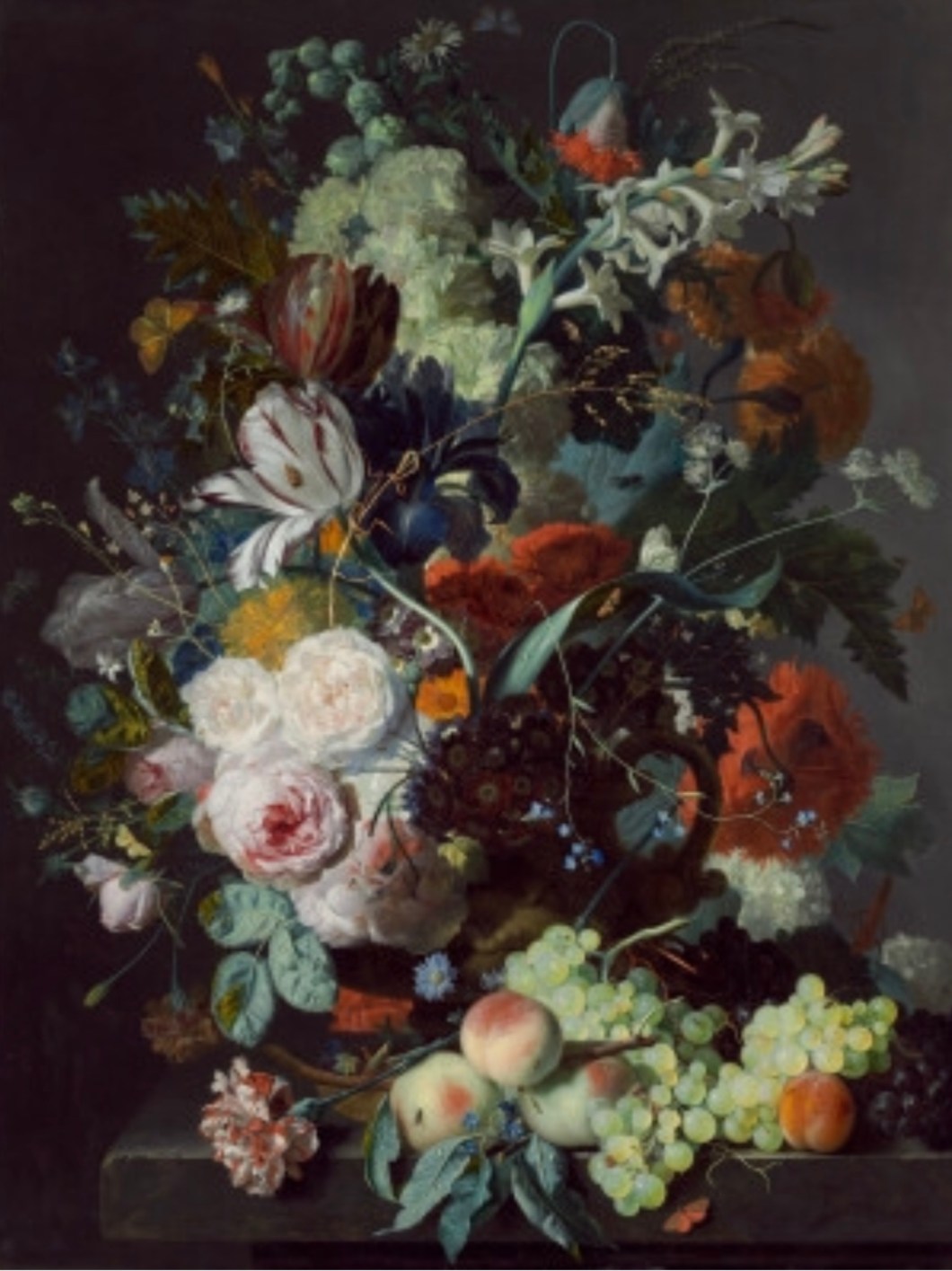
b) Another large group of still-life works of that period is floral, that group is very prominent and characterised with a highly refined execution of creation and often referred to botanical texts;
c) In the middle of 17th century new objects started to appear in stil-life paintings such as new imported expensive luxury goods: Chinese porcelain, Venetian glassware, silver guilt cups and trays. Aesthetic appeal and decorative function are very evident and emphasised;
d) “Hunting trophies” or a still-life of dead game: unfortunate fowls, hares, deer, birds and other animals is another group of this genre of that period, featuring wealthy life in country side estates;
In neo classicism era of 18th and 19th century still life, as it is described by Dr. Beth Harris and Dr. Steven Zucker, was a “hopeless subject”. Only a rare artist “bothered” with painting in this genre because it was considered as as “purely decorative and trivial”. It was really considered as a least menacing full subject to draw in a whole hierarchy of subjects. Even though still life flourished earlier in the Netherlands it had not created a big impact to French or Italian art world. However a French artist Paul Cesanne was very much attracted to this genre and created a famous stil life painting “The basket of Apples”. It is recognised that he “revived” the subject of still life making it interesting and important to again for Picasso, Matisse and other artists in the 20th century. An interesting observation of numerous art critics and art historians is that with h this particular artwork Cesanne has changed and destructed the rules of drawing linear perspective which had a major impact on art in 20th century: he introduced a notion of “human vision” in painting replacing a concept of static Renaissance vision of space.
With regards to contemporary artworks in still life genre – it definitely continues to exist and there are many artists of our time who create in this genre: from copying and reproduction, implementing digital reproduction techniques with alteration, compilation, and construction to developing (reinterpreting, revisiting and expanding) this genre using new materials and digital innovation. As art historian Frances Woodley says in his article about contemporary still life: “ contemporary art coexists with historical still life and engages with it in interpretive realms…. Contemporary artists act as mediators between the contemporary, the recent and the historical”.
Ambrosius Bosschaert, Bouquet of Flowers in a Glass vase, (Dutch, 1573-1621), oil on copper; image via National Gallery of Art- nga.gov

Jan Van Huysum, Still Life with Flowers and Fruit; (Dutch, 1682-1749); oil on panel; image via National Gallery of Art- nga.gov
Jan Weenix, Still Life with Swan and Game before a Country Estate; (Dutch, 1642-1719); oil on canvas; image via National Gallery of Art- nga.gov
Pail Cesanne, The Basket of Apples, 1893, oil on canvas; image via Art Instutute of Chicago

David Gould, “Two boots”; oil on paper; image via davidpaulgould.com

Kenne Gregoire, Goedenmorgen, 2013 acrylic on cotton on panel, image via kennegregoire.com

Reference list:
1) “Still life painting in Northern Europe, 1600-1800” essay by Walter Liedtke; October 2003; Department of European Paintings, The Metropolitan Muesum of Art;
2) National gallery of Art; 17th Century Dutch Still Lifes; nga.gov
3) Dr. Beth Harris and Dr. Steven Zucker, “Paul Cezanne, The Basket of Apples” In Smarthistory, August 9, 2015; accessed July 8, 2018, smarthistory.org
4) Neo Classicism and French Revolution, Jacques Louis David ; http://www.bc.edu
5) Michael Petry, “Nature Morte: Contemporary Artists reinvigorate the Still Life Tradition” October 19, 2013; BST, theguardian.com
6) Frances Woodley, “All Coherence gone?” Contemporary Still Life and the Potential of the Historical Genre; doubledialogues.com
Research Point 2: Positive and negative space in drawings;
In this research we must look at a range of artists working today, analyse how they incorporate positive and negative spaces in their work.
The concept of positive and negative space is a fundamental part of Art Theory: any painting contains positive and negative space and it is directly realated to fuyndemental notion in Art as a composition. In simple words positive space is the subject on the painting or drawing, negative space is what surrounds the subject. Both spaces are equally important in a good artwork: it should be a balance between them, negative space should not be neglected since it influences any viewer`s perception as much as it does a positive space. The concept of negative and positive space is very important not only in painting and drawing, it has received a lot of development and has been constantly thought though in photography and graphic design as well. Modern artists use the negative space as a tool for:
1) better sketching via blocking in the negative spaces to define a subject more accurately;
2) to abstract an image via deliberate painting in negative space around the subject;
3) creating artworks using a negative space as a part of the subject;
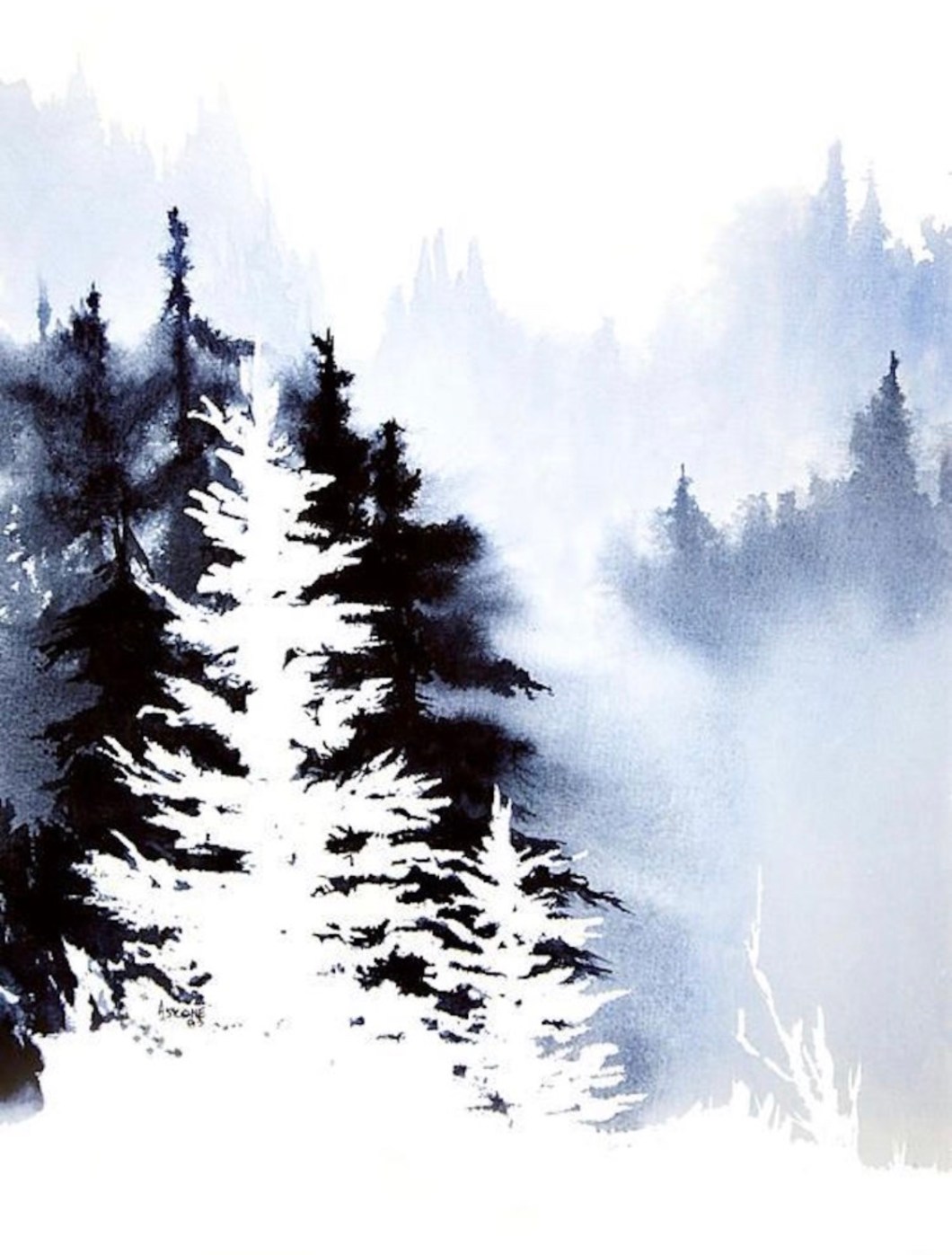
Below are some contemporary artworks illustrating abovementioned approaches to negative space.
Clever Negative Space Illusions by Tang Yau Hoong, image via mymodernmet.com

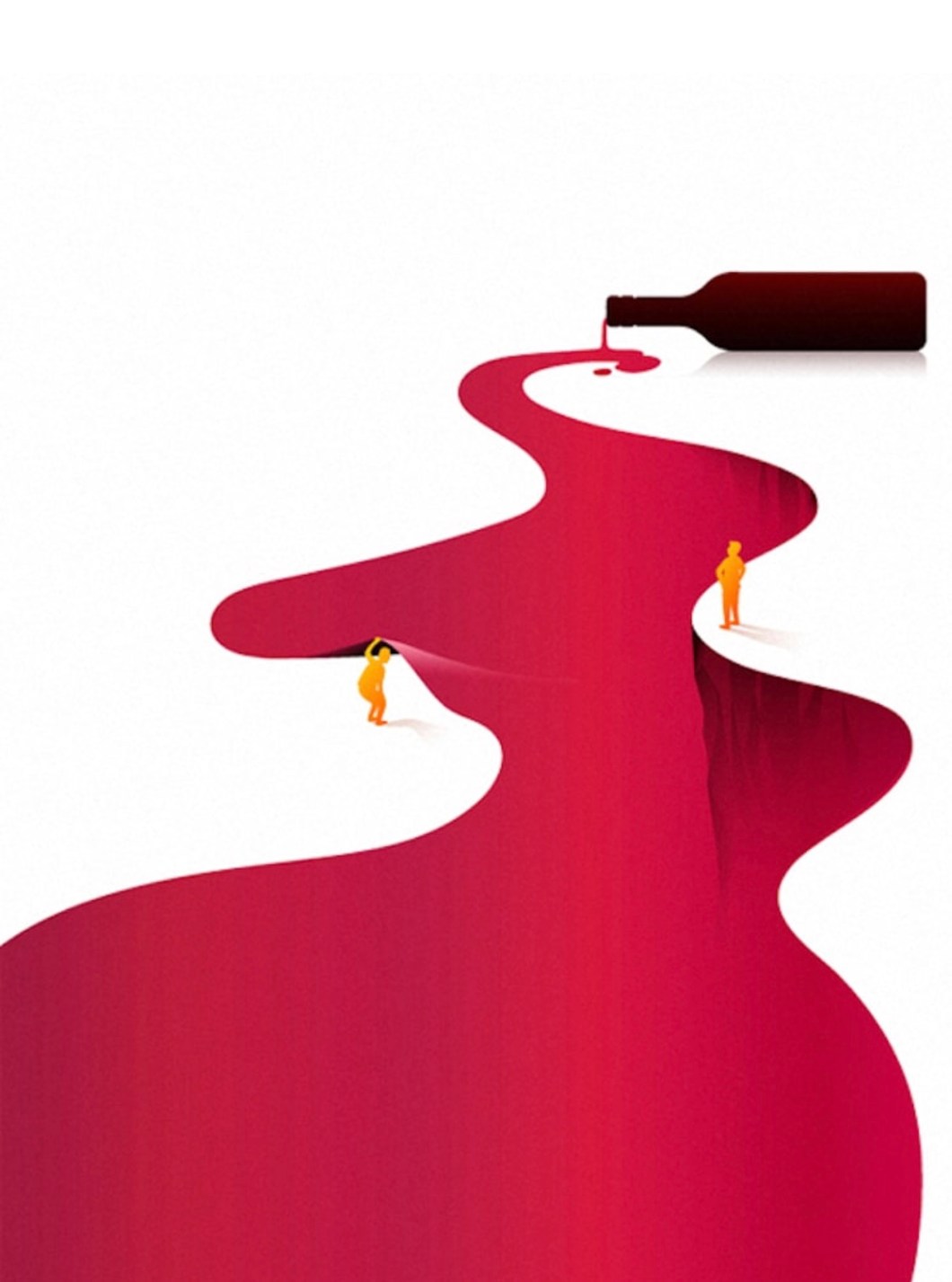
Kei Meguro; image via mymodernmet.com

Teresa Ascone; image via mymodernmet.com
Christina Troufa ; image via mymodernmet.com


Reference list:
1) “How to use positive and negative space to create better paintings” by Dan Scott, March 5, 2018; drawpaintacademy.com
2) “How to paint with negative space” by Brandi Bowman in Art Tutorials on emptyeasel.com
3) “Positive and negative space in Art: definition and examples” by Ivy Roberts on study.com
4) “40 plus striking works of art that creatively make the most of negative space” by Kelly Richman-Abdou on July 24, 2017 on mymodernmet.com
5) “Emotionally Expressive self-portraits utilise negative space” by Katie’s Hosmer on May 27, 2013 on mymodernmet.com
Research point 3: Contemporary artists who focus on domestic interiors;
Harry McCormick
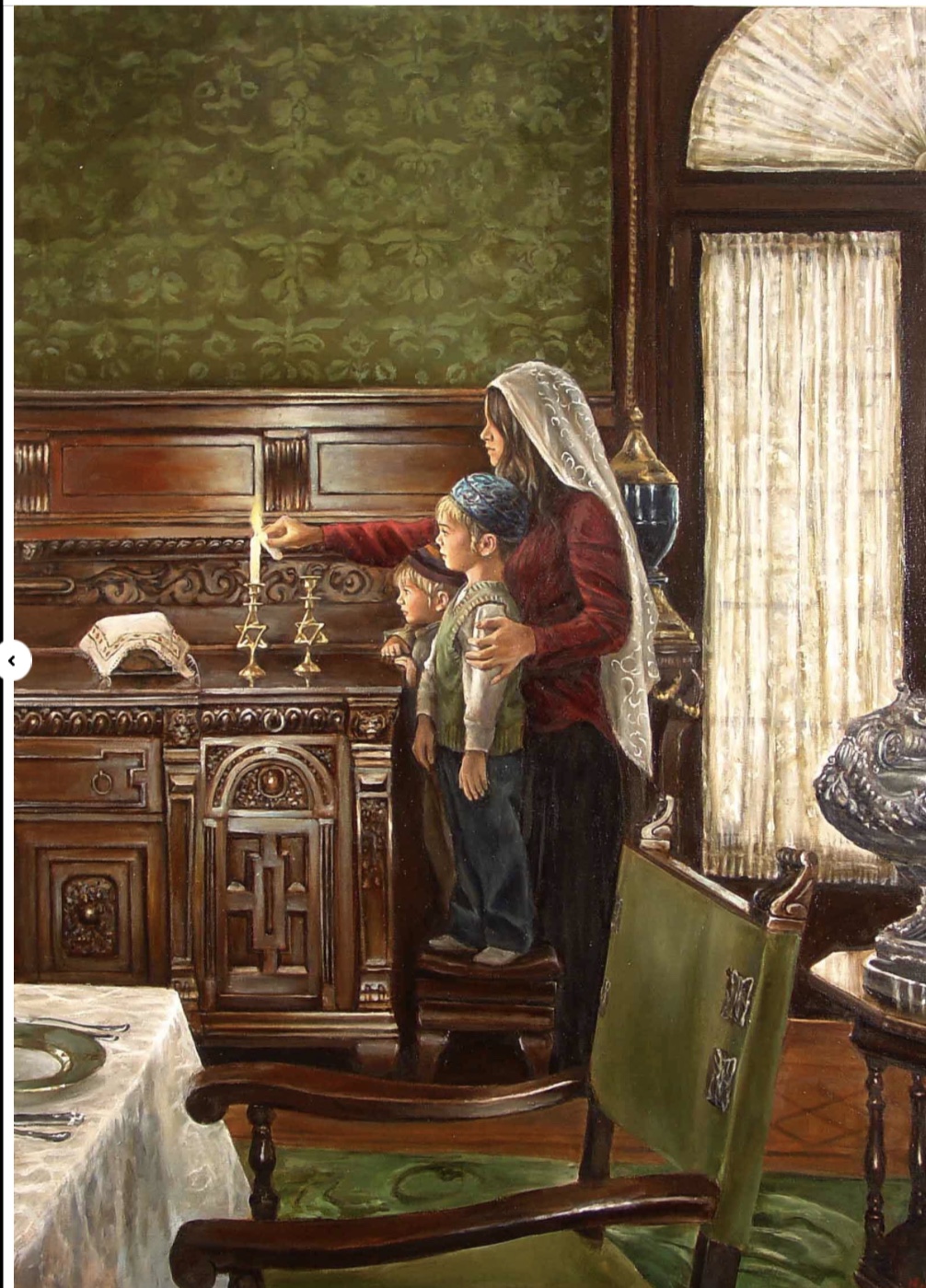
Harry McCormick is a living contemporary artists who’s main subject is an interior. As he says about himself on his website: “Painting bars has been an ongoing theme of mine for many years. I have traveled the world looking for interesting bars and the people in them. I did a show in Chicago of the Victorian Pubs of London, in New York from the Plaza Hotel Oak Bar to McSorley’s Old Ale House, which is one of my favorites and one that I have been painting on and off since 1983. I like very elegant interiors as well as funky places…”. He works in genre of realism and his works are famous with his ability to master light and shadow, capturing an atmosphere of a particular place. His series of landmark restaurants in New York City. I also can say that he is a great master of small detail: all his interior drawings are very rich with small details from tiny ornaments on the walls and pieces of furniture till hairstyle of people. It is interesting that he is attcarcted to really different kinds, subjects and moods of interiors, he draws men in the bar with very social and crowded atmosphere and women in a very intimate isolated environment.
Sorley`s 2 men; image via harrymccormickstudios.com

Red Chair; image via harrymccormickstudios.com

Candle lighting; image via harrymccormickstudios.com
Colley Whisson (1966-
Colley Whisson is an Australian contemporary artist who`s subject is often an interior. He is very well known for his ability to “control light”: his paintings are indeed are full of sunlight. He started to paint from his twenties and his first exhibition was very succefull as he says was a “sell off”. His main medium is oil.
“A quiet corner”; image via colleywhisson.com; ”St Remy France”; image via colleywhisson.com; “A sunny Sunday morning”; image via colleywhisson.com


Reference list:
1) About Harry on Mccormickstudios.com
2) Harry McCormick (1942-) rogallery.com
3) colleywhisson.com
4) https://illumegalleryoffineart.com/artists/colley-whisson
 JeanArt